Choose by Your Budget
Don’t get lost in options. One starter pick, one best-value pick, one professional pick.


Before & After
Spray Painting Effects From Real Customers
Parts & Accessories
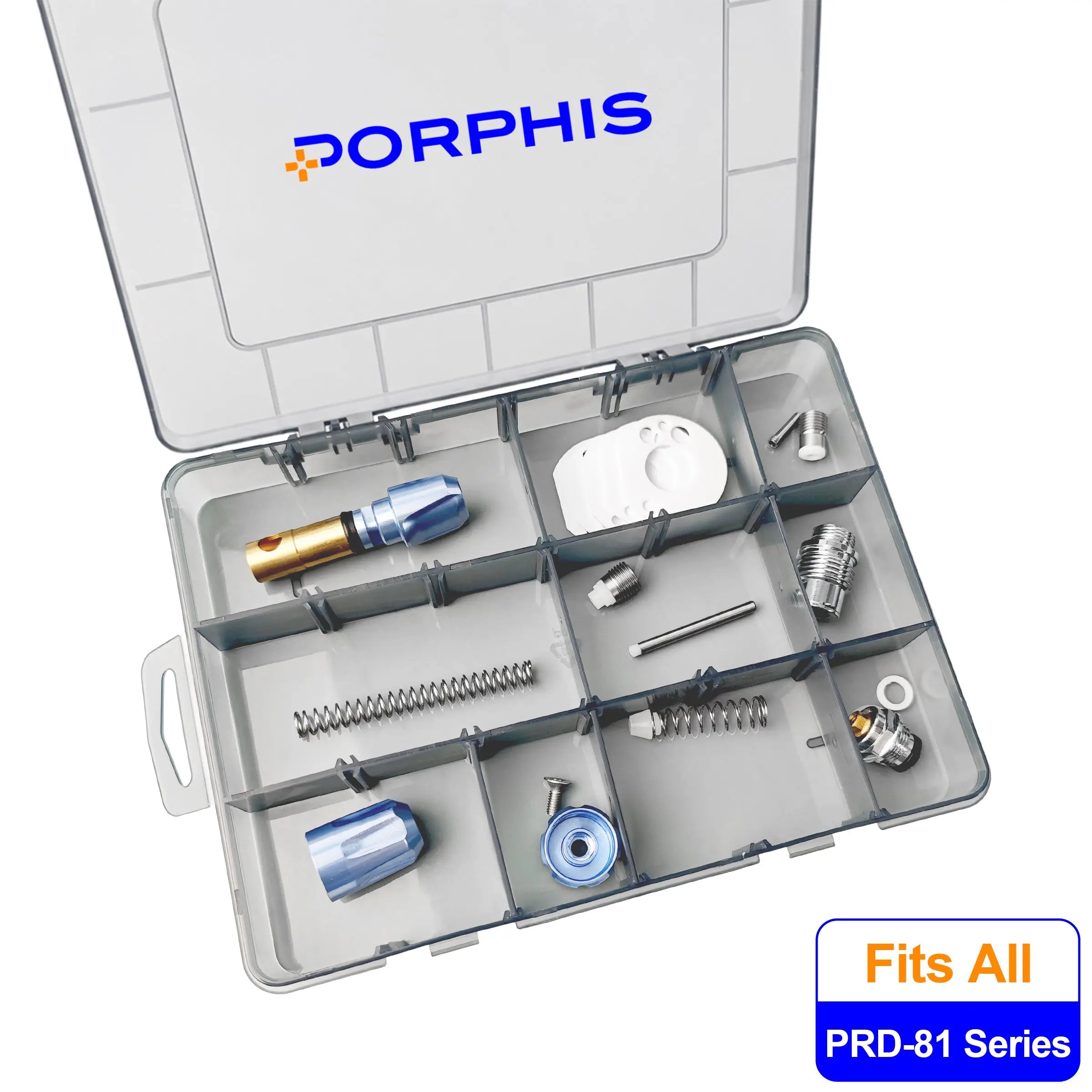
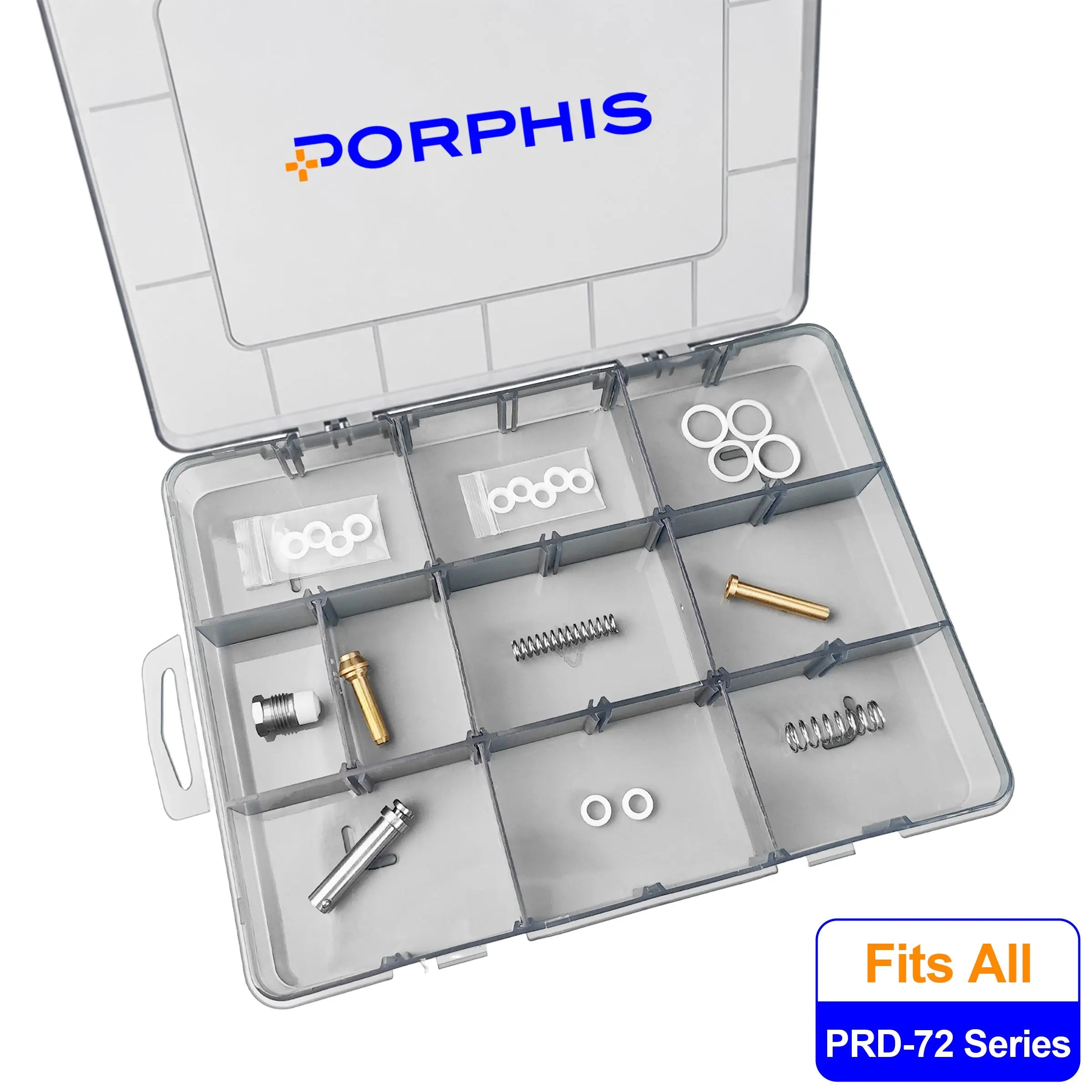
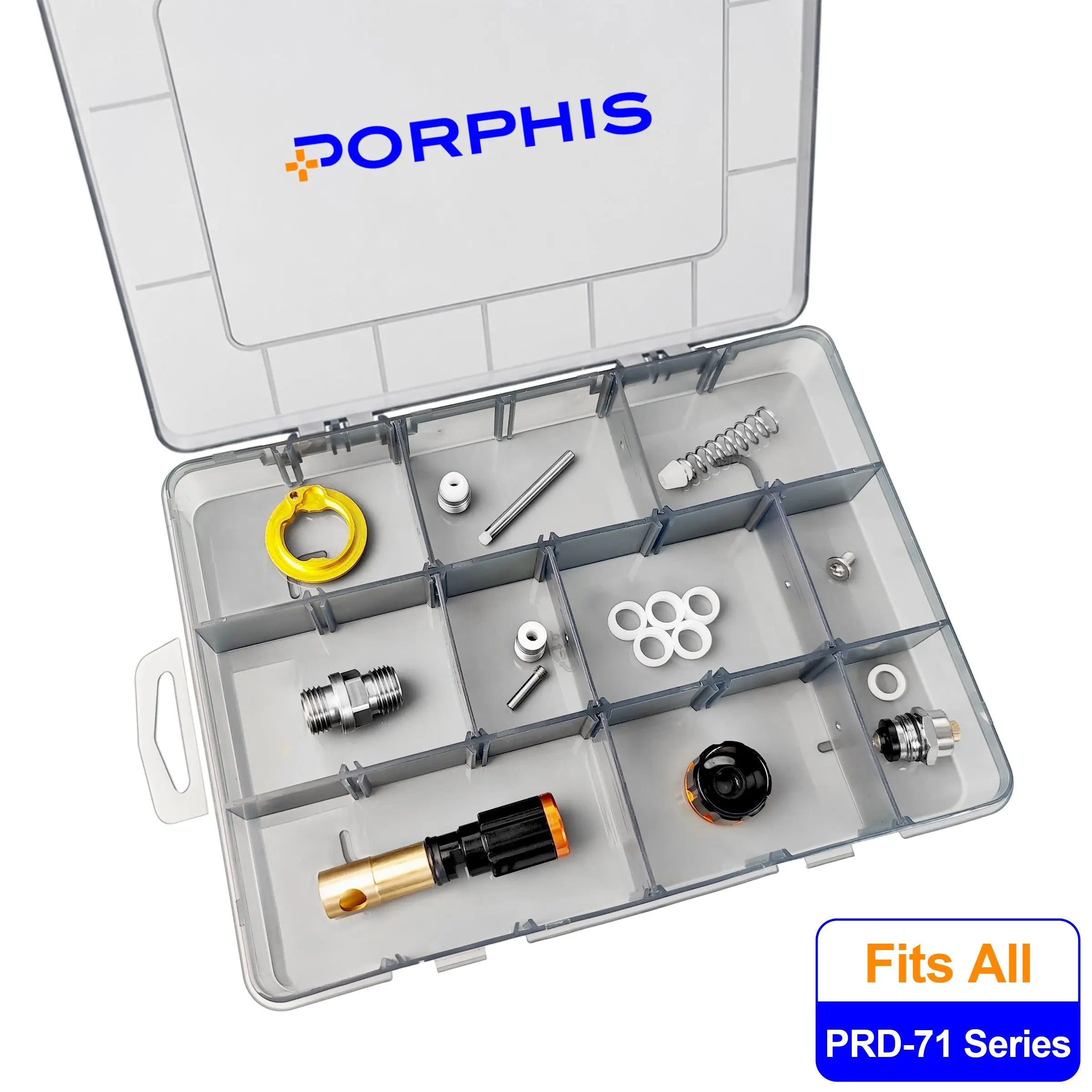
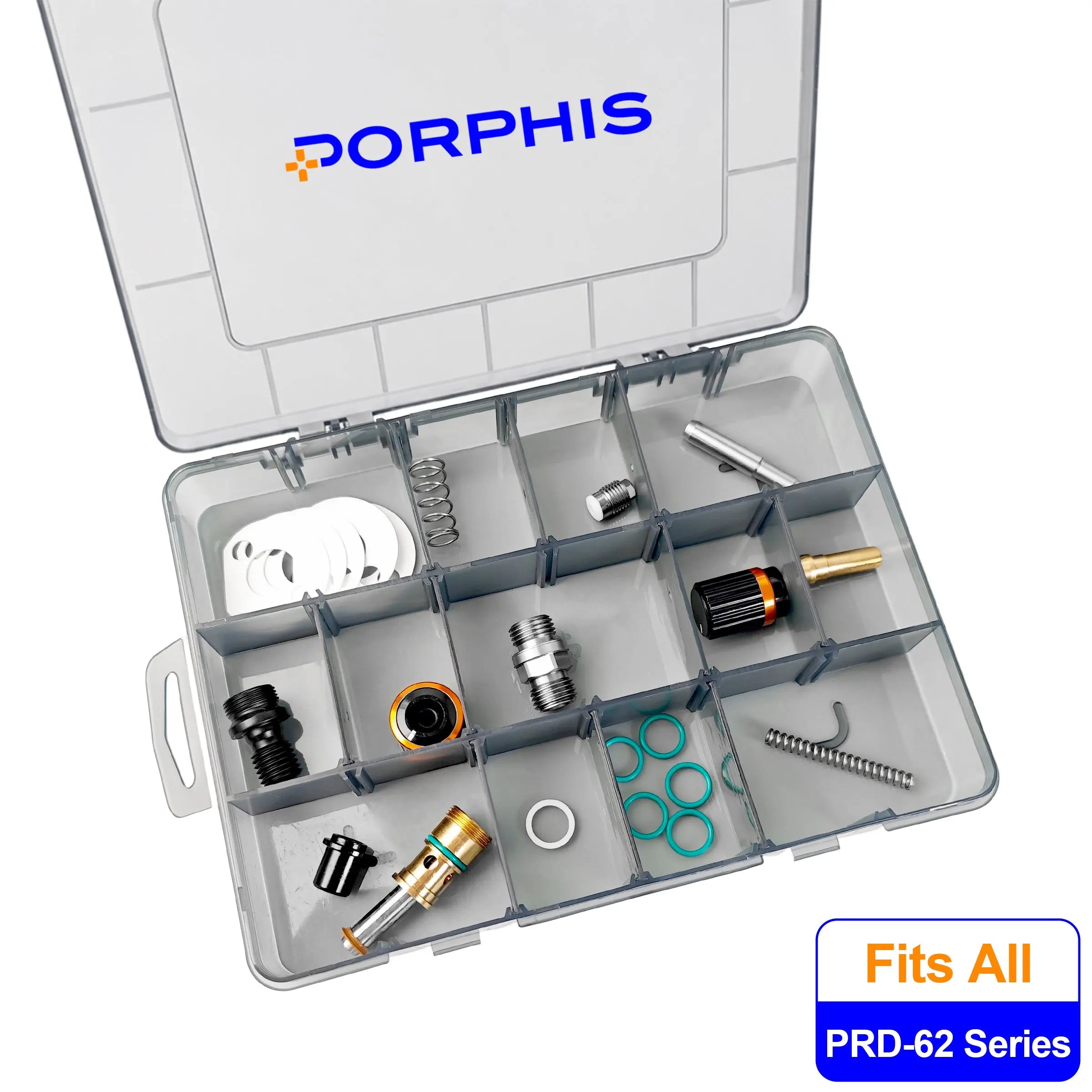
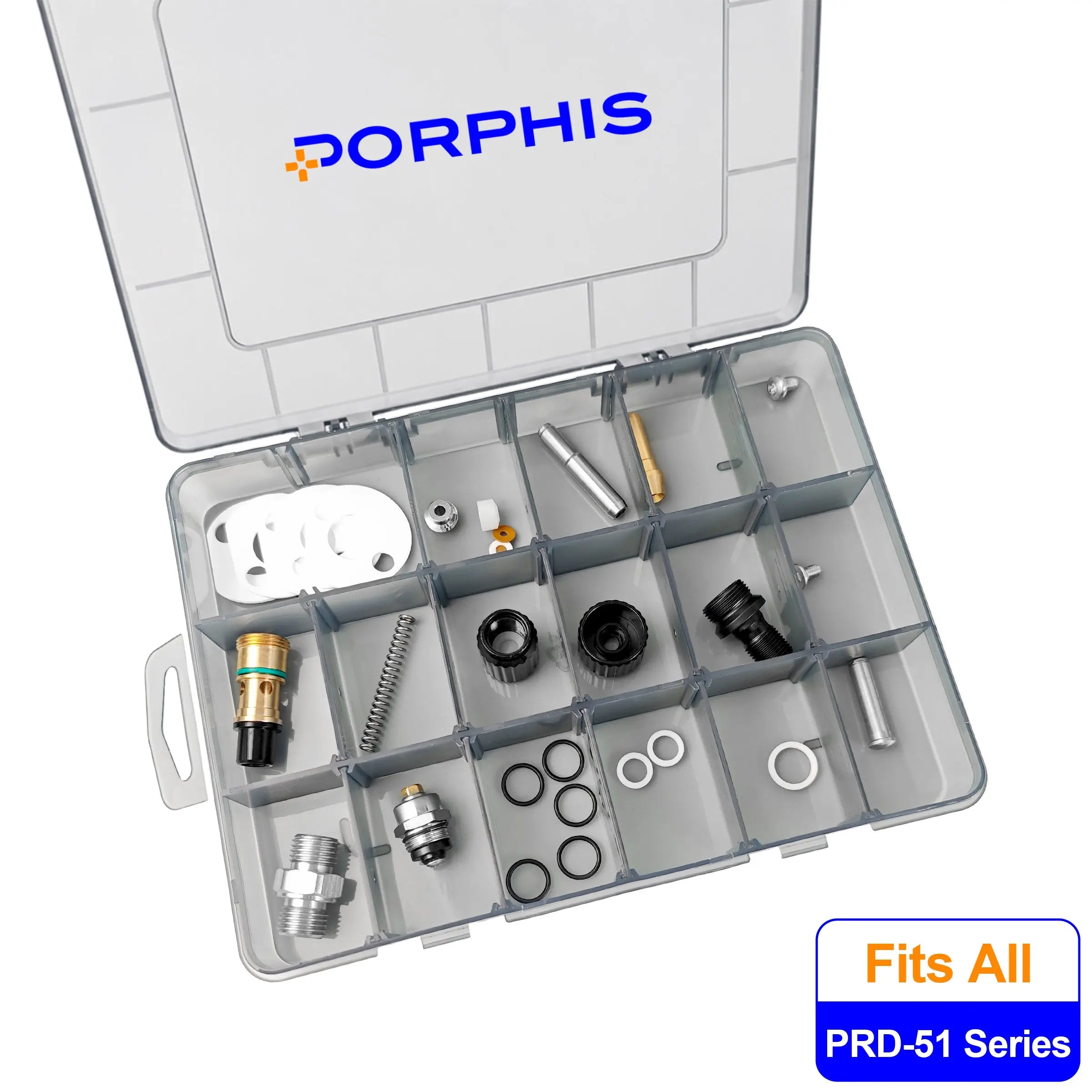
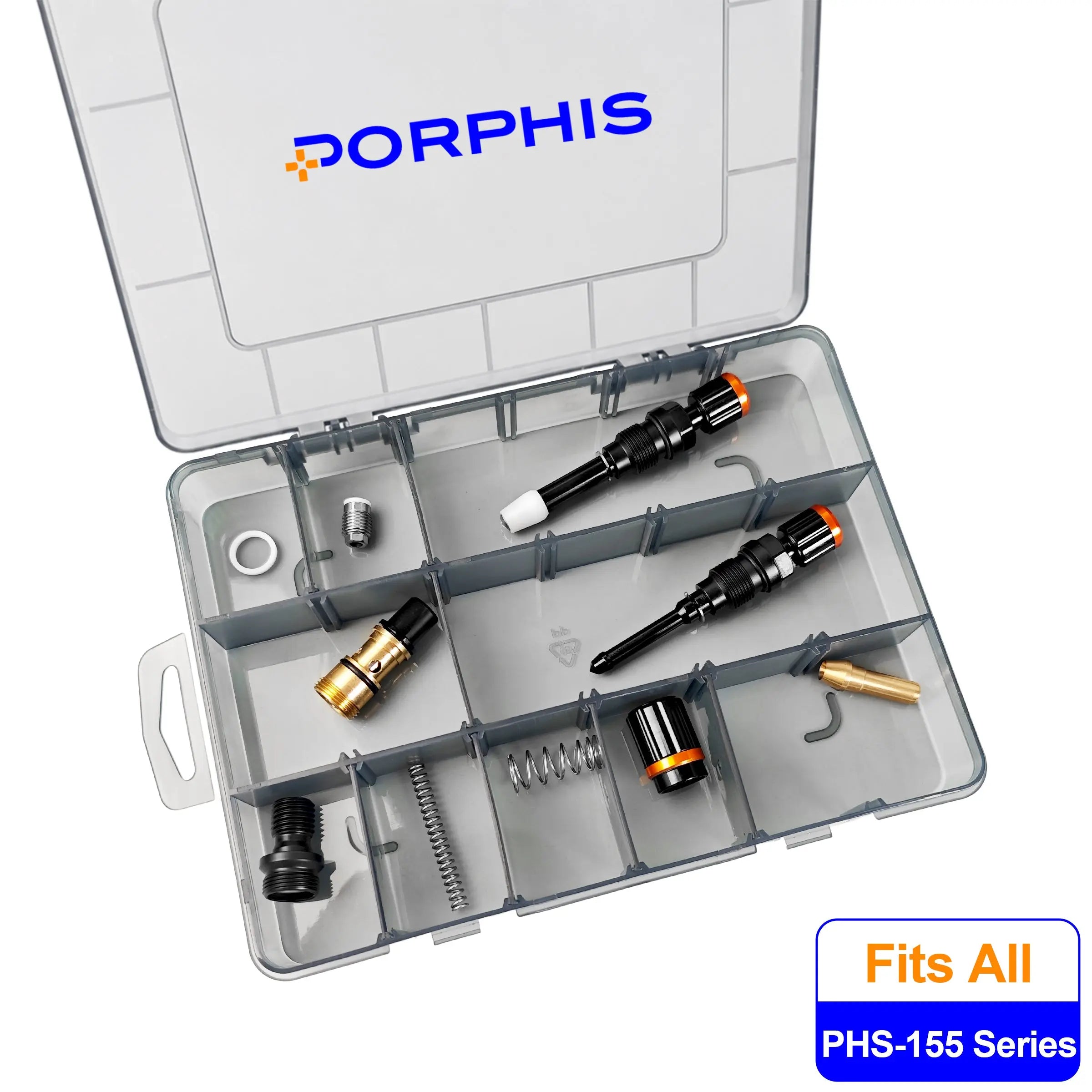
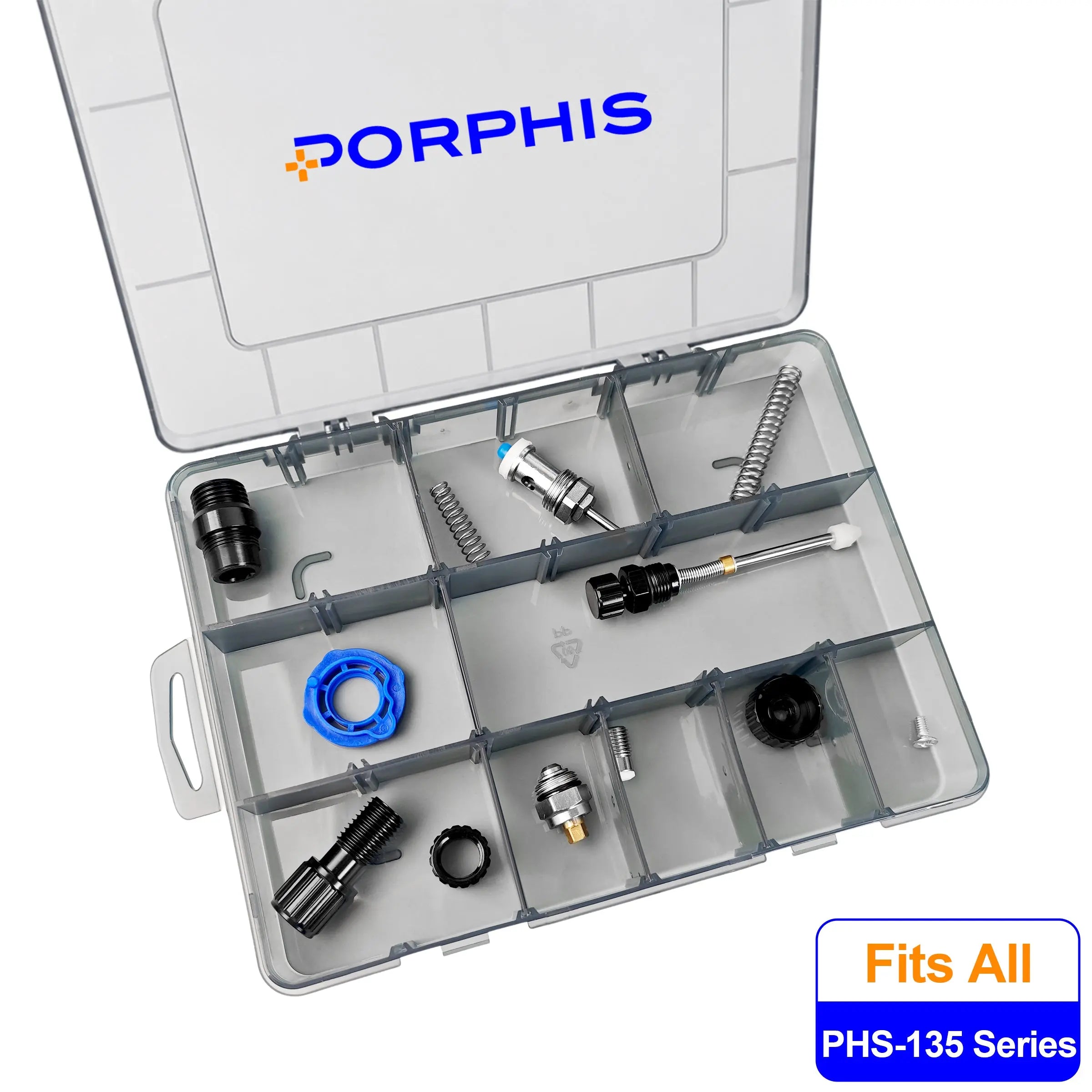
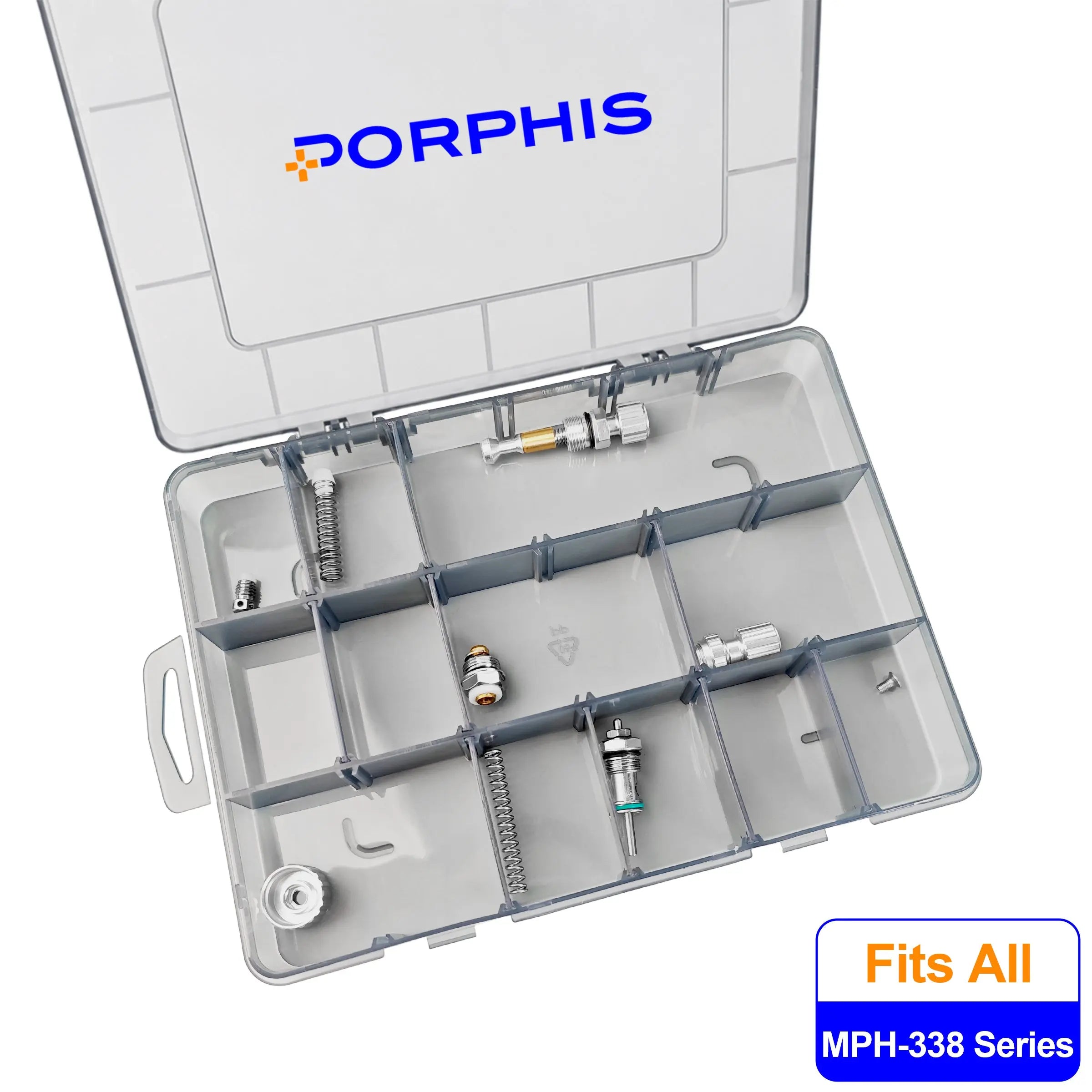
FAQs - Furniture Restoration
Q1:Is a spray gun better than a brush for furniture restoration?
A:Yes. A spray gun delivers a factory-smooth finish that brushes and rollers simply can't match — no brush marks, no lap lines. It's especially valuable on flat panels, cabinet doors, and detailed carved surfaces where brush strokes would be visible in the final topcoat.
Q2:Which Porphis spray gun is best for furniture work?
A:For most furniture restoration projects, the PRD-510 or PRD-817 is the go-to choice. The PRD-510 is ideal for smaller pieces, trim, and detail work thanks to its lightweight body and precise fan control. The PRD-817 with VS Split Nozzle suits larger surfaces like tabletops, dressers, and cabinet bodies where a wider, more even fan pattern saves time.
Q3:Can I spray water-based chalk paint and milk paint with a Porphis gun?
A: Yes. Both are low-viscosity coatings that work well with our LVLP and VS nozzle systems. Thin the paint to a consistency similar to whole milk (typically 10–20% water), and use the 1.4mm or 1.8mm nozzle for best atomization. Always strain the paint before loading to prevent tip clogs.
Q4:How much air pressure does furniture spraying require?
A:For LVLP models (PRD-510), 29 PSI at the gun with a compressor delivering 8–12 CFM is sufficient. For the VS Split Nozzle models (PRD-817, PRD-717), you'll need 15.2 CFM at 29 PSI. Running below the required CFM causes sputtering and uneven atomization — check your compressor specs before starting.
Q5:Will spraying indoors damage my furniture or create a health hazard?
A:Solvent-based coatings (lacquer, oil-based poly) produce flammable fumes and should only be sprayed in a well-ventilated space or a proper spray booth. Water-based coatings are much safer indoors but still require ventilation and an N95 or P100 respirator to avoid inhaling fine mist particles. Always wear protective eyewear and nitrile gloves regardless of the coating type. Our full-face respirator paired with the PRD series provides full protection for extended indoor sessions.