Choose by Your Budget
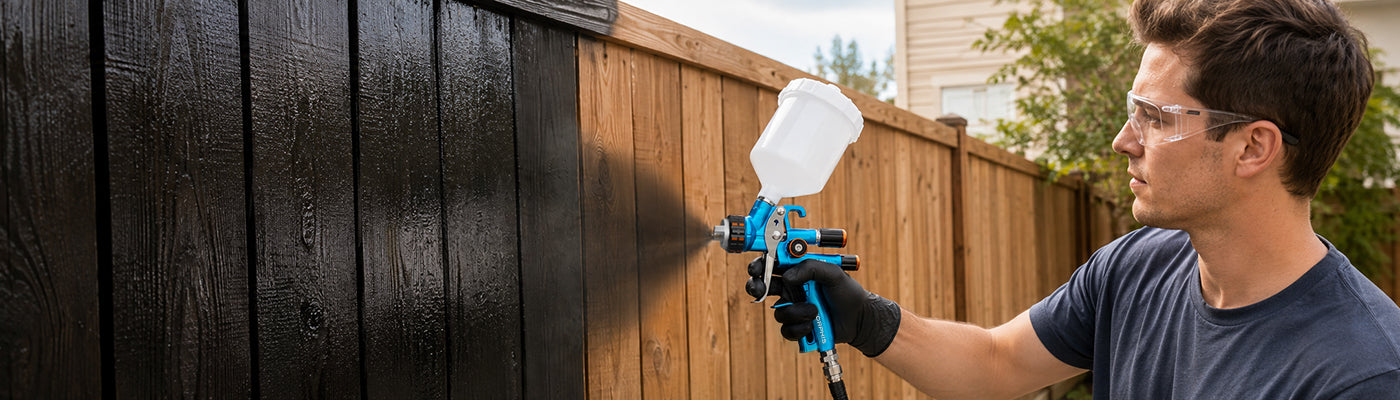
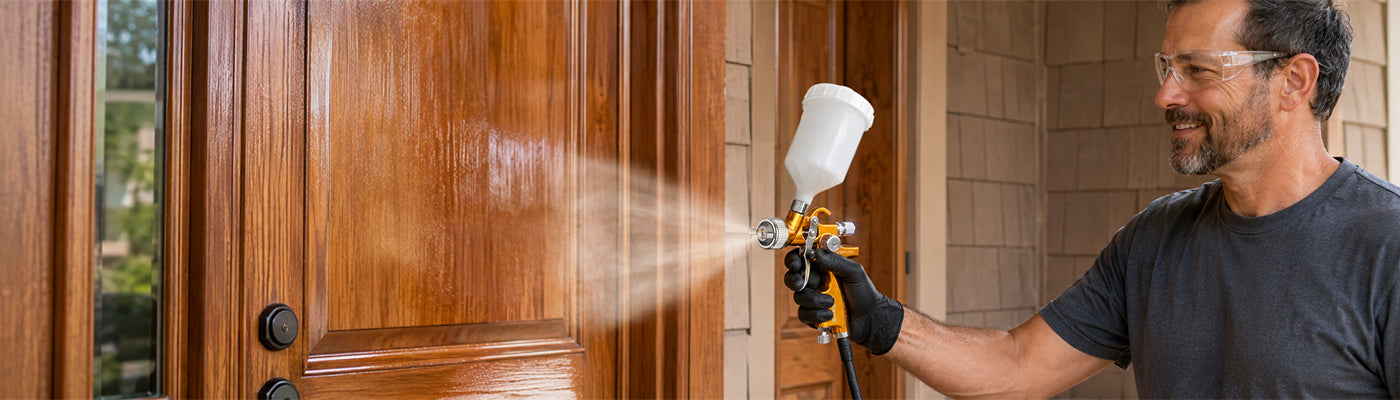
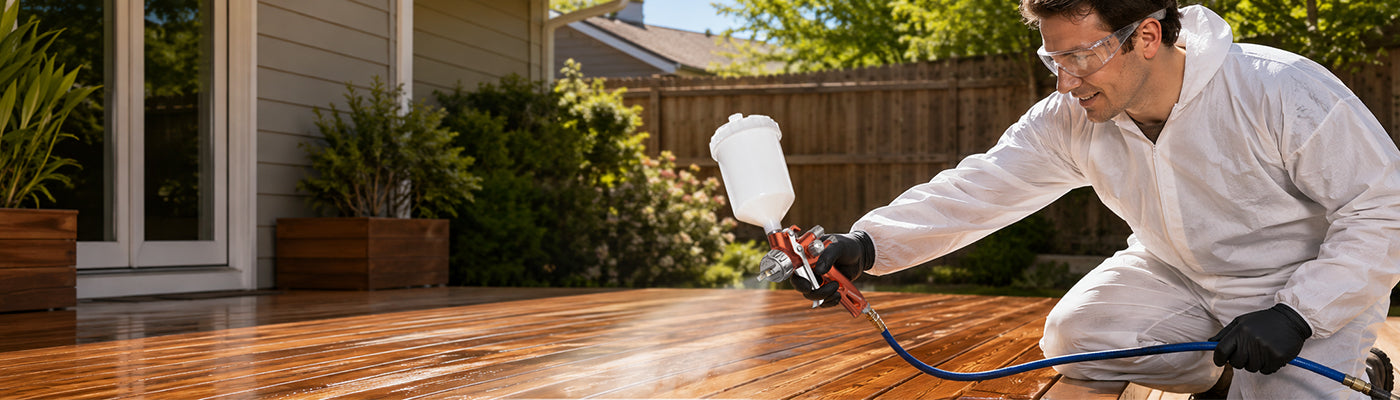
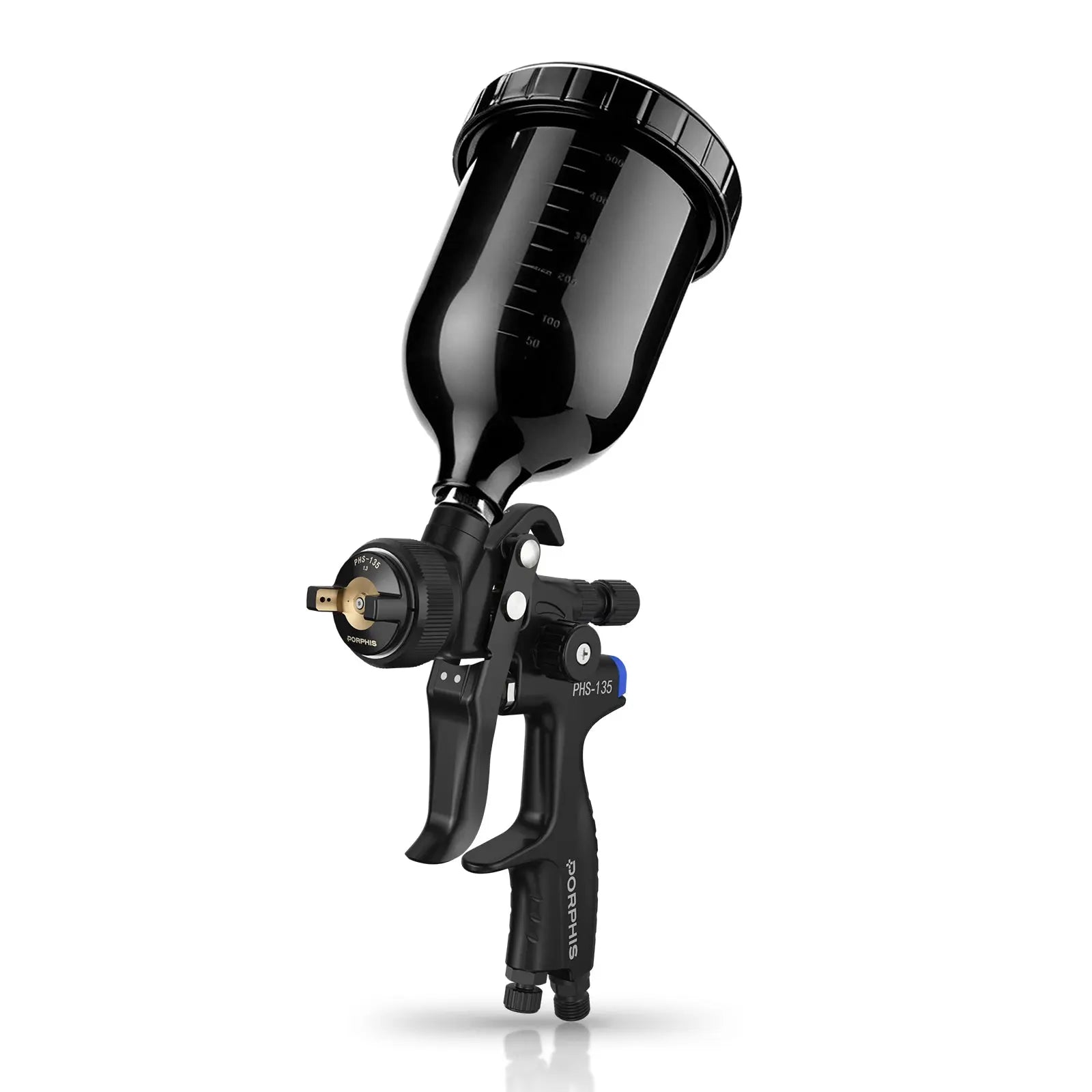
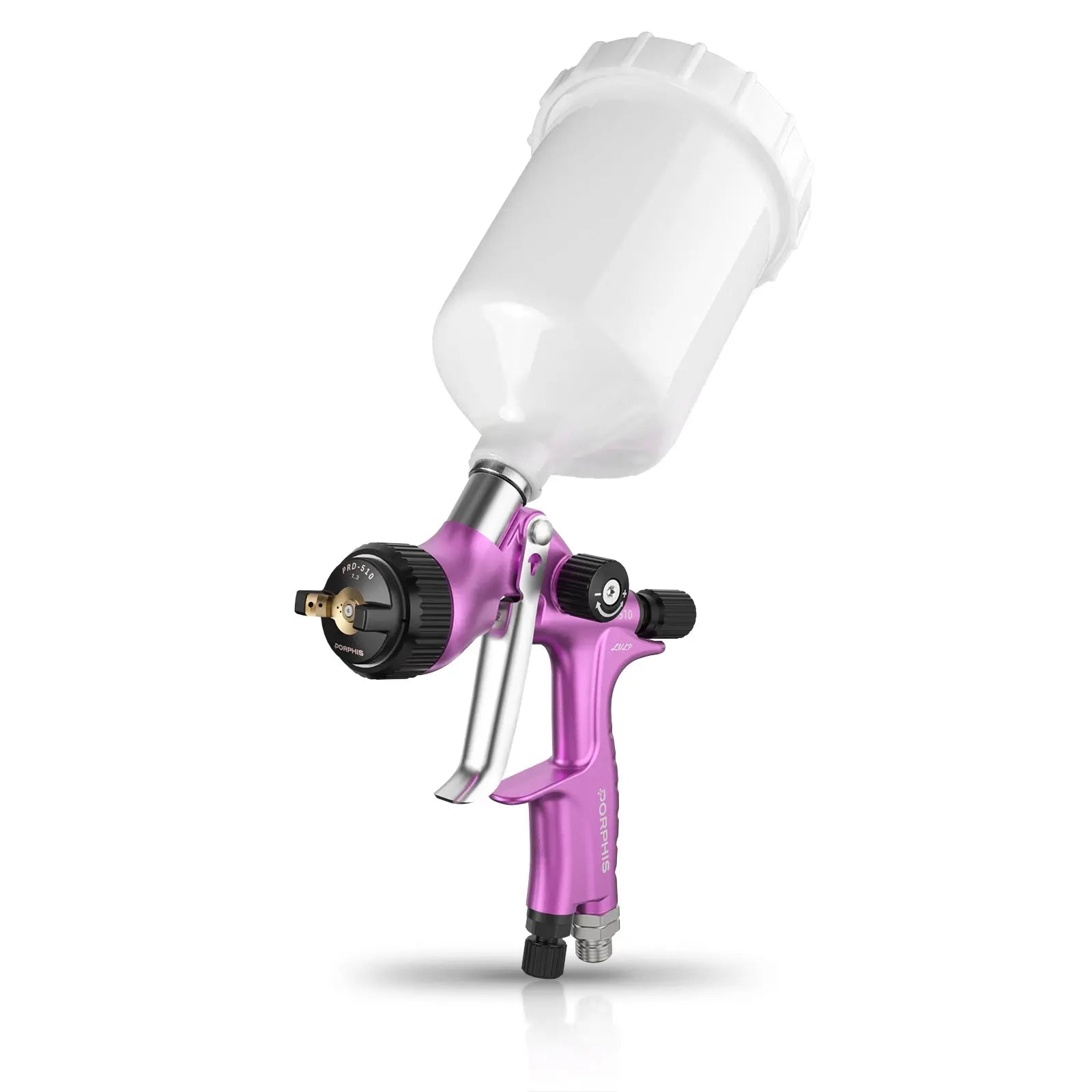
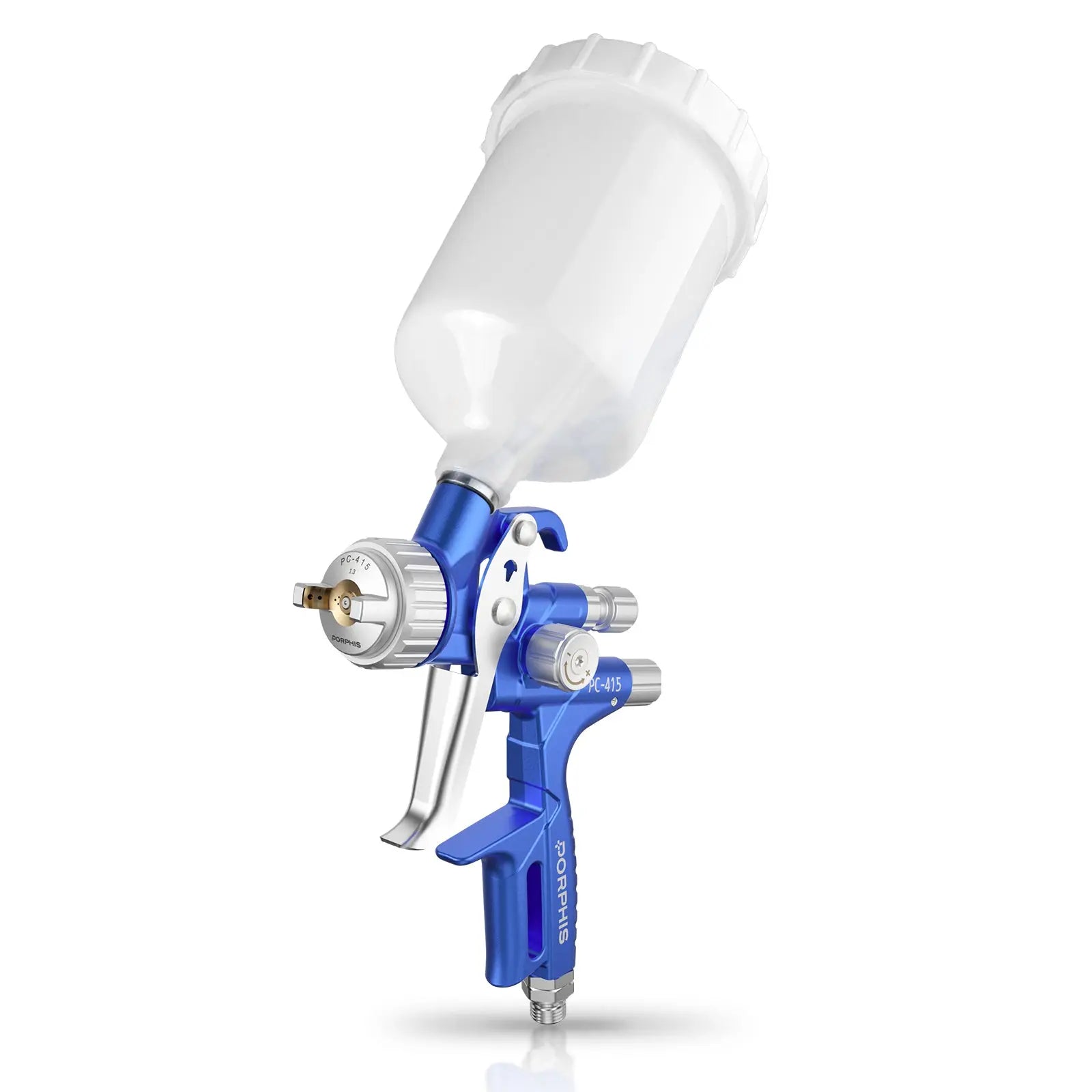
Each wood coating has its own recommended spray gun.


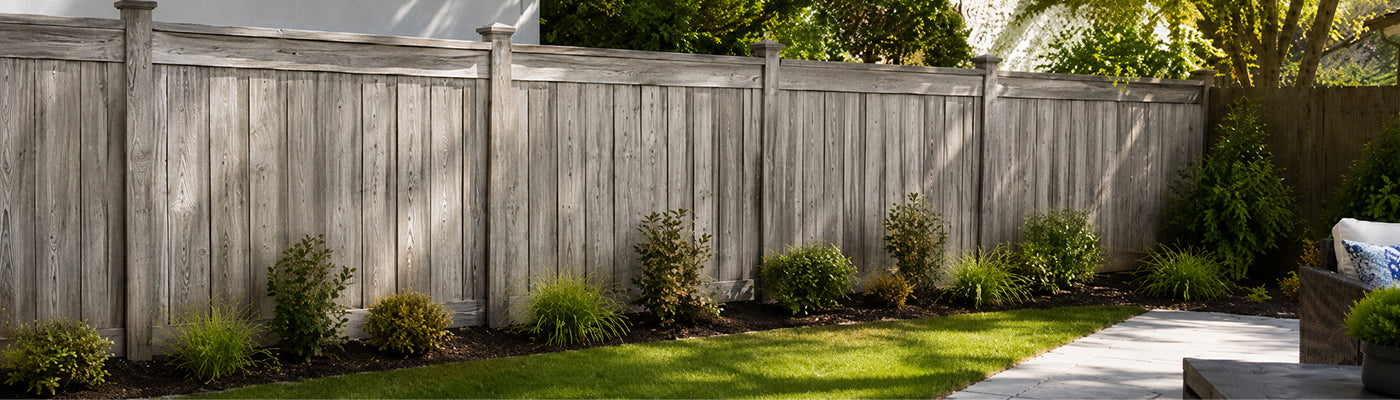
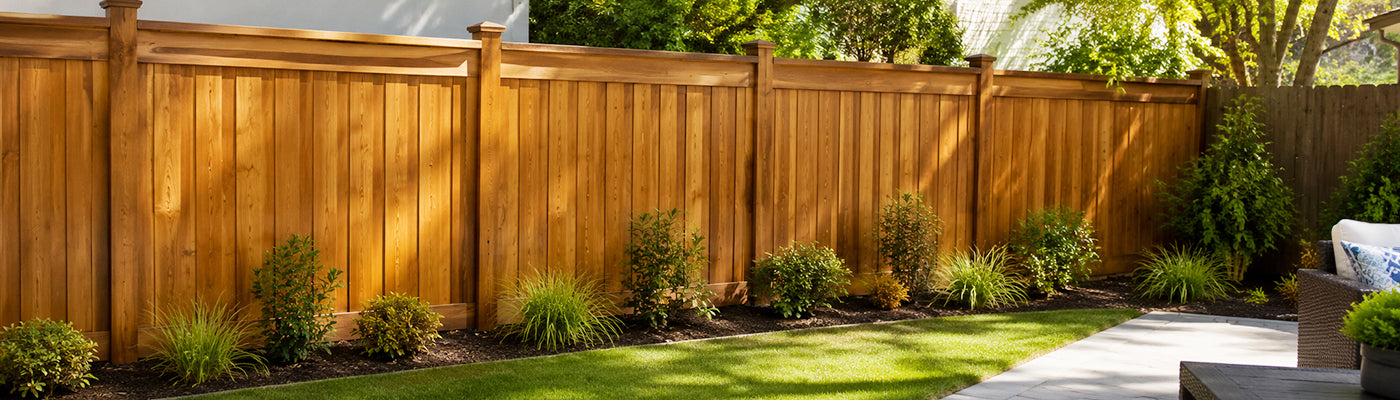
Before & After
Spray Painting Effects From Real Customers
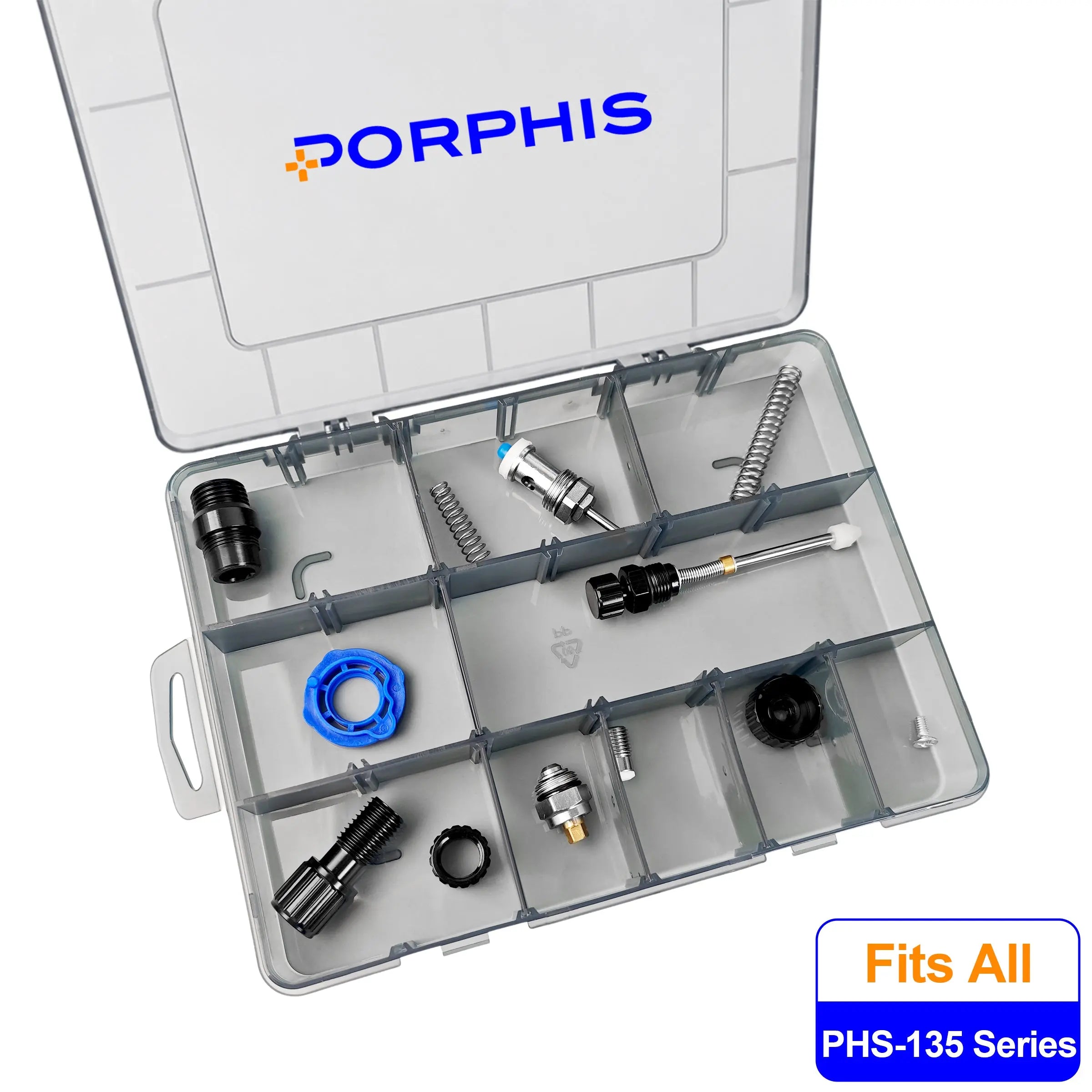
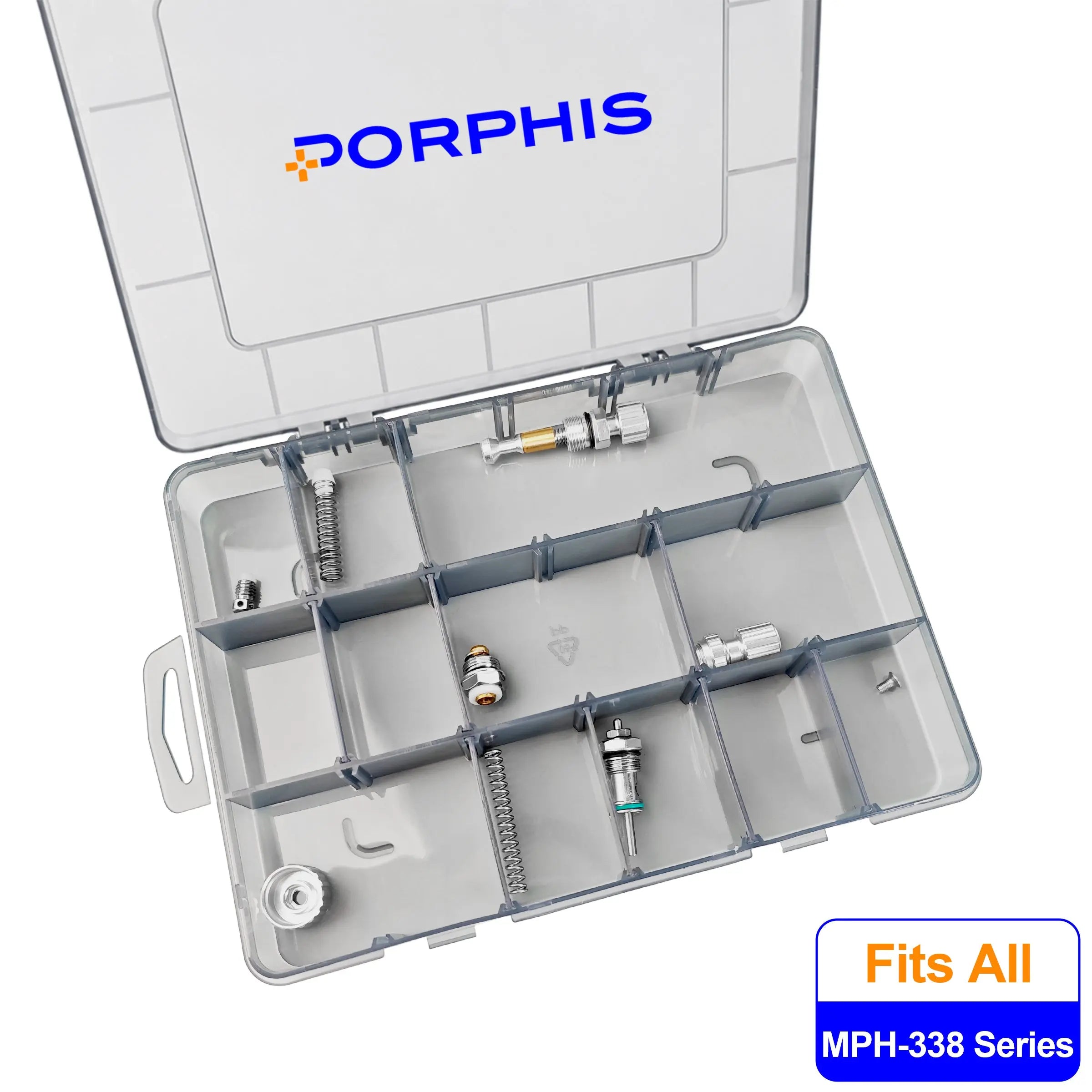
Parts & Accessories


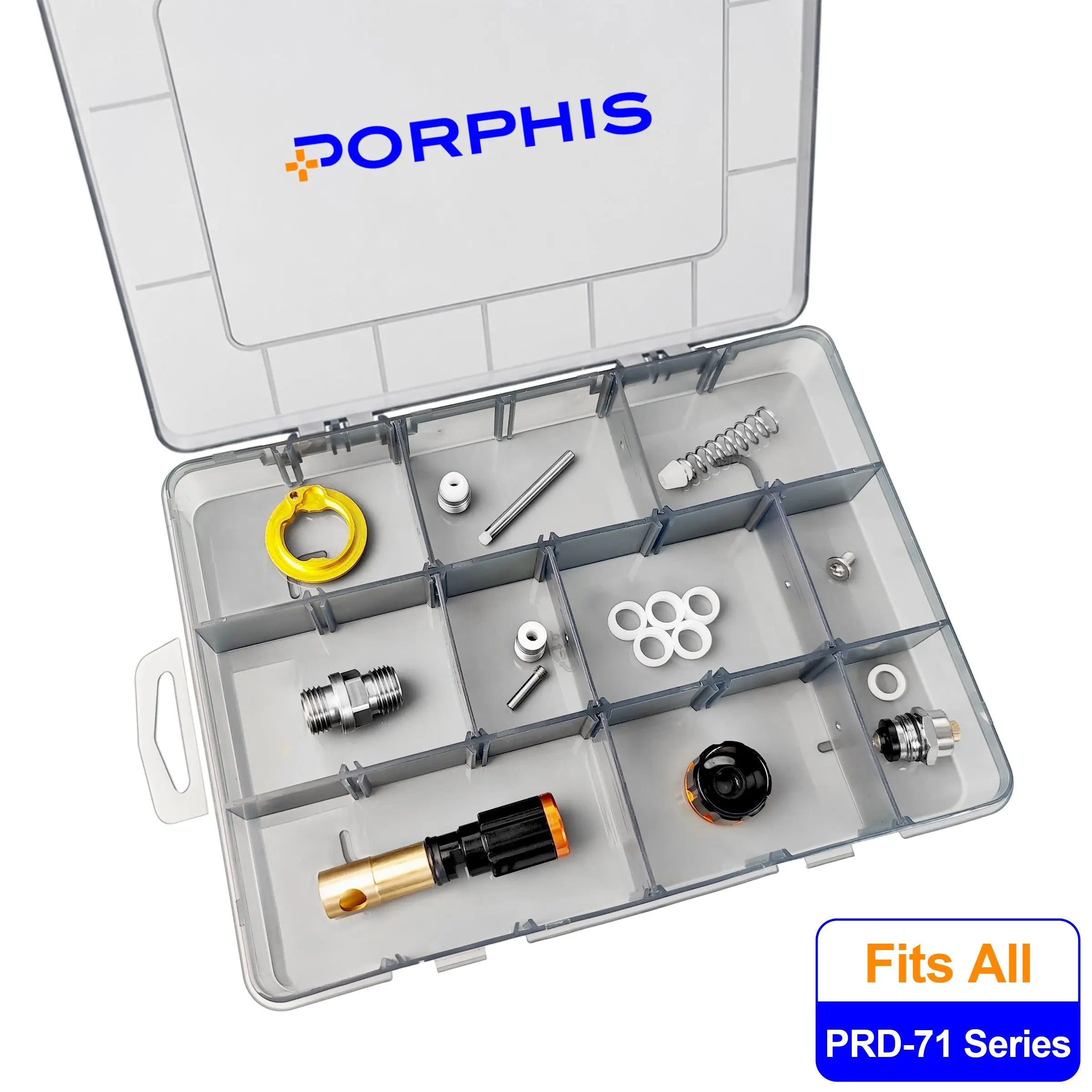
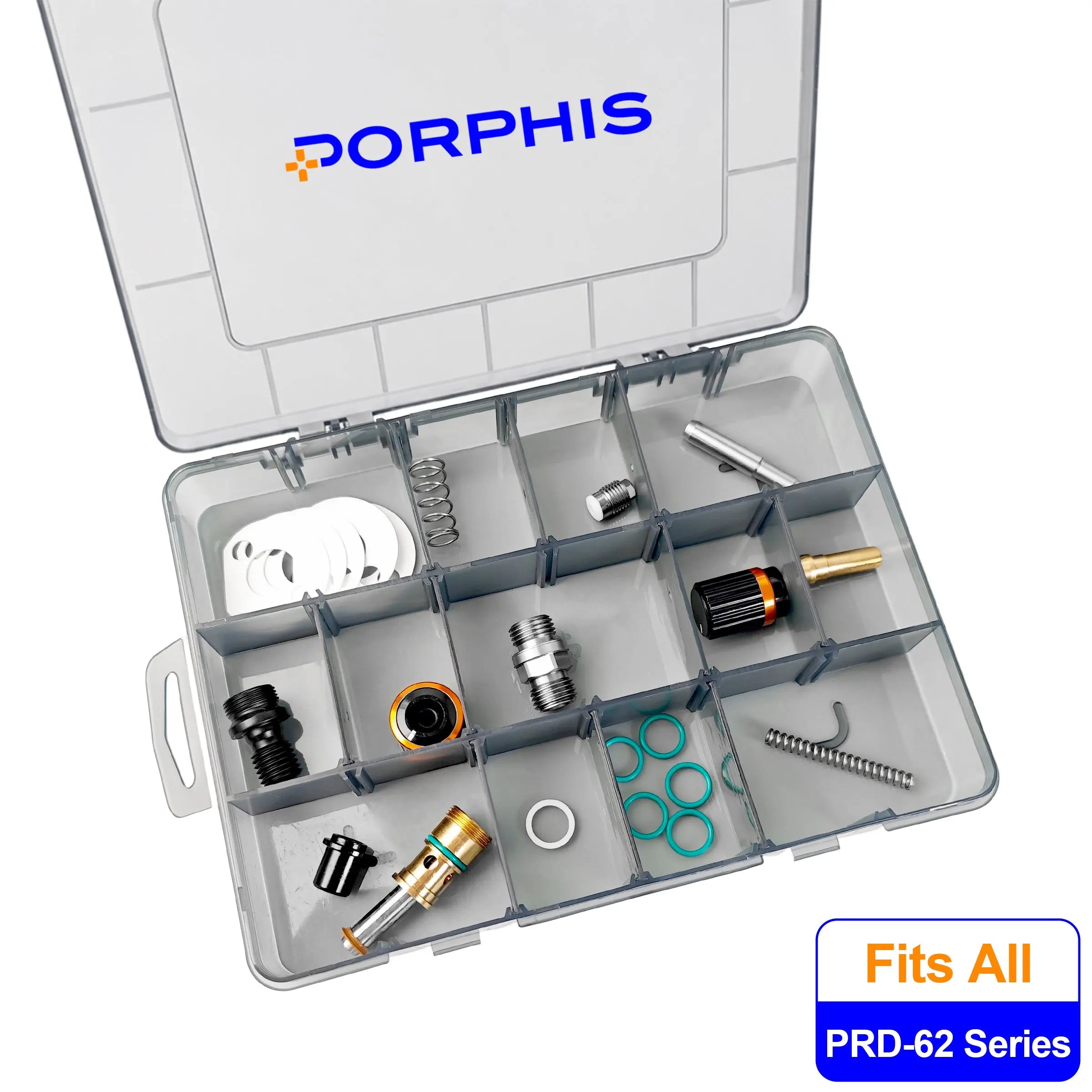
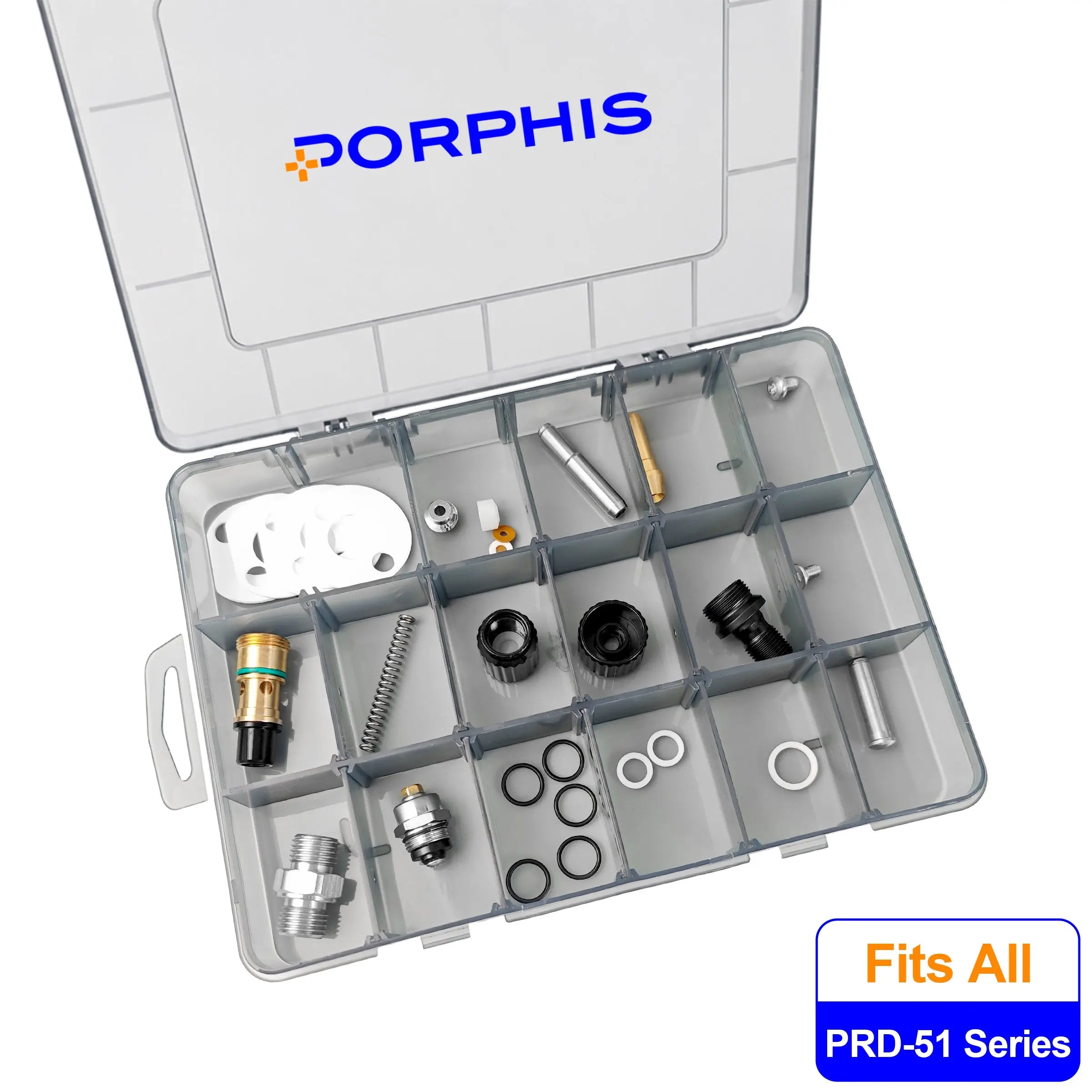
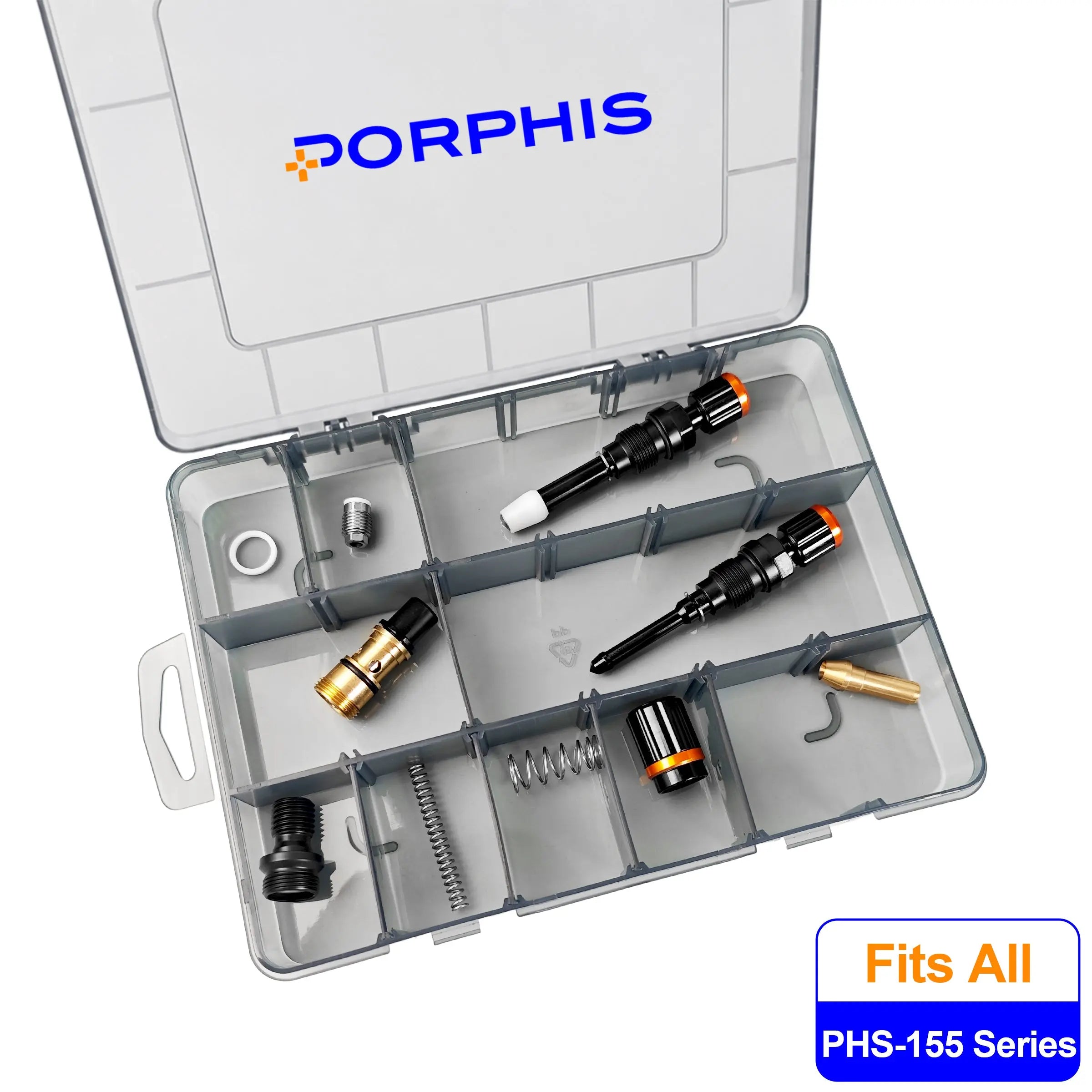
FAQs - Wood Finishing
Q1:What nozzle size do I need for different wood coatings?
A: General guide for wood applications:
Stains & dyes: 1.3–1.5mm
Water-based lacquer: 1.3–1.5mm
Solvent-based lacquer: 1.5mm
Oil-based polyurethane: 1.5–1.8mm
Thick gel stain or varnish: 1.8mm
Q2:Can I spray water-based wood finishes with PORPHIS guns?
A:Yes. Water-based lacquers and polyurethanes are fully compatible. For water-based products, thin according to manufacturer specs (typically 10–15% water), and clean the gun immediately after use — water-based finishes dry quickly and can clog the needle and tip if left to sit.
Q3: Do I need to thin my wood stain before spraying?
A:Most penetrating stains can be sprayed without thinning. Gel stains typically need 10–20% thinner to flow properly through a spray gun. Wipe stains are too thin and will over-penetrate — apply these by hand. When in doubt, run a viscosity test: the material should flow smoothly through the gun without sputtering.
Q4: How do I get an even stain color without lap marks?
A: Work in sections, maintain a wet edge, and keep consistent gun speed and distance throughout each pass. On large panels, spray end-to-end in one continuous motion rather than stopping mid-panel. For open-grain woods like oak or ash, apply a grain filler first to prevent uneven absorption.
Q5: How do I prevent fisheyes and contamination on wood surfaces?
A: Wood surfaces naturally contain oils, especially exotic woods like teak or rosewood. Always sand with 220-grit, wipe down with a tack cloth, and apply a shellac-based sealer before topcoating on oily species. Check your air line for moisture — wood finishes are highly sensitive to water contamination from compressors.