MP Spray Gun

The PORPHIS MP (Medium Pressure) Spray Gun bridges the gap between high-transfer efficiency and the raw atomization power needed for heavier coatings. Operating at 10CFM and 22–32 PSI, MP guns handle thicker materials — primers, epoxies, and high-build coatings — without sacrificing spray consistency. Designed for painters who work across multiple substrates and need a versatile, all-conditions performer that adapts to the job rather than the other way around.
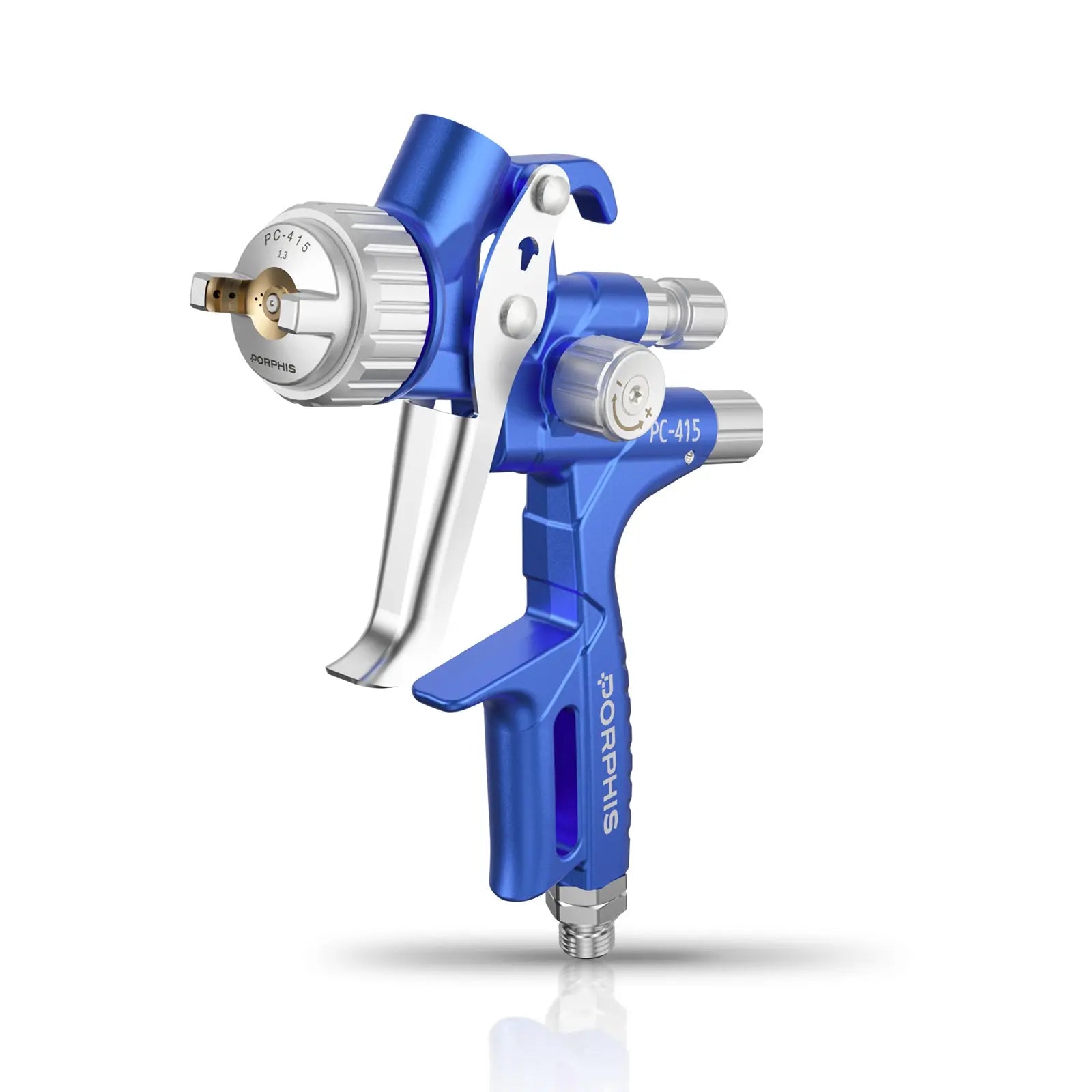
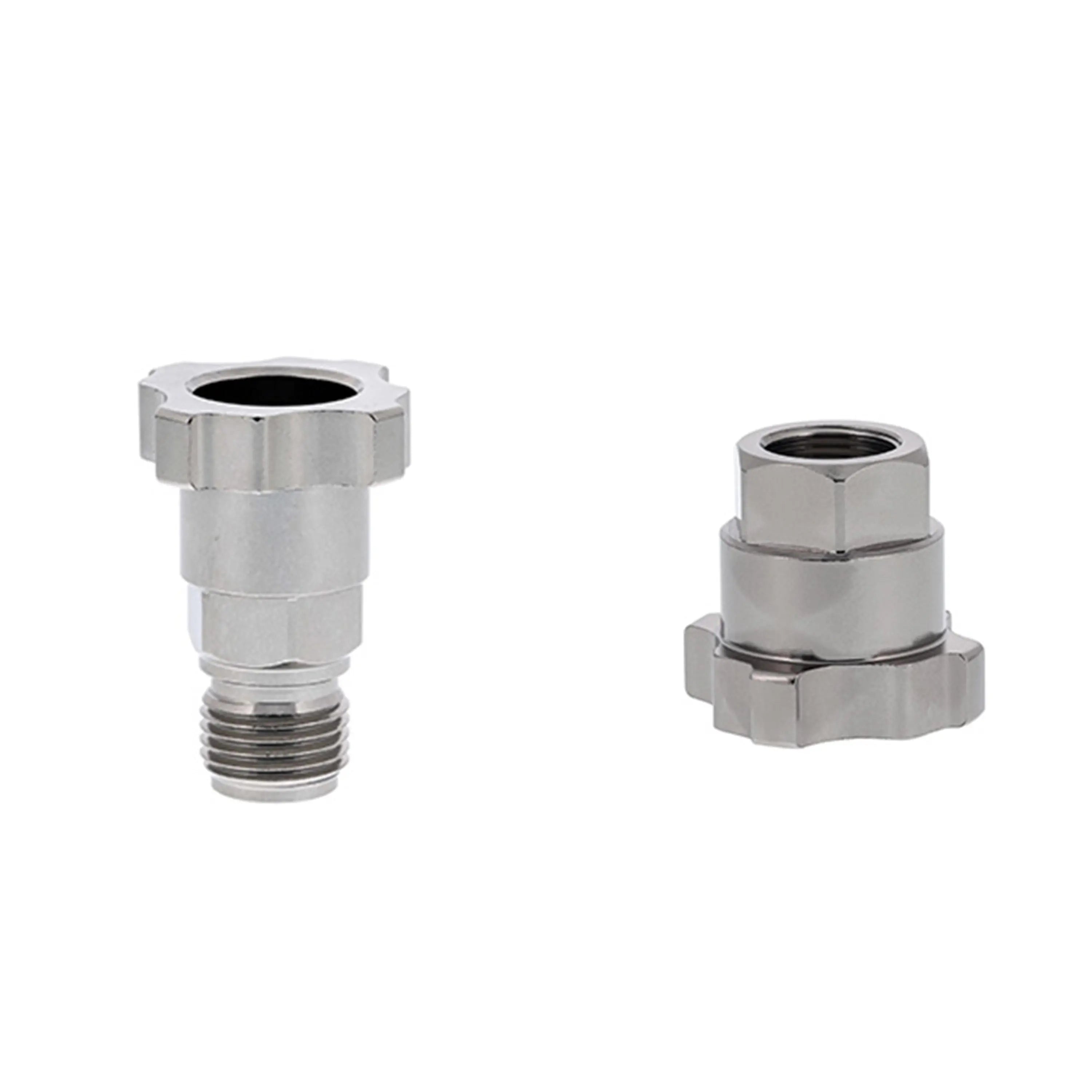
PC-415 Automotive Spray Gun PORPHIS

PC-415 MP SPRAY GUN

Comprehensive warranty: 1-YEAR
Warranty policy: >>CLICK HERE<< to learn more about.

SHOP NOW

FAQs

Q1: How light is the PC-415 actually? Does the lighter weight affect its durability?

A: The PC-415's body uses a high-strength corrosion-resistant alloy that achieves a lower overall weight without sacrificing structural integrity. In practical terms, it's noticeably lighter than most guns in its class — the difference you feel after 4 hours of continuous spraying is significant. On durability: weight reduction in the PC-415 comes from precision material selection and streamlined body geometry, not from cutting wall thickness or using inferior materials. The fluid path components — needle, nozzle, and seals — use the same corrosion-resistant materials as our heavier professional-grade guns. Lighter body, same internal standard.

Q2: Can the PC-415 handle clear coat as well as base coat? I want one gun for the full job.

A: Yes — this is the PC-415's strongest practical advantage. The MP (Multi-Point) atomization system produces fine, consistent particle sizes that work equally well with base coat viscosities and clear coat viscosities. The variable fluid flow control allows you to adjust material delivery as you move between heavier base coats and lighter clear coat formulations without changing nozzles or resetting air pressure from scratch. For painters doing complete jobs — primer through clear — the PC-415 handles the transition with minimal reconfiguration.

Q3: What does "delicate atomization" mean in terms of actual finish quality I can expect?

A: Delicate atomization means smaller, more uniform droplet size — which is the direct cause of smoother, finer surface texture in the final finish. On clear coat, finer atomization means less texture (orange peel) to cut and polish afterward, or in optimal conditions, a direct-to-gloss finish that needs no correction. On base coat, it means metallic and pearl flakes settle more evenly, producing consistent color from every viewing angle. The PC-415's MP nozzle achieves this fine atomization while maintaining enough material flow speed to keep the gun practical for full panels — it doesn't sacrifice speed entirely to achieve the fine finish.

Q4: I've never owned a spray gun before. Is the PC-415 a good first gun, or is it too advanced?

A: The PC-415 is actually well-suited to first-time users for a specific reason: its light weight significantly reduces the technique errors that come from fatigue. Heavy guns cause hand shake in the last hour of a session — the PC-415's light body means your technique stays consistent from the first panel to the last. The MP atomization is forgiving of small distance variations (10–15% distance change has less impact on film build than with high-pressure guns), and the variable fluid flow lets you dial back material delivery while you're learning. It won't compensate for completely undisciplined technique, but it removes the physical strain variable from your learning curve.

Q5: How does the PC-415 compare to the PRD series guns? Am I getting a less professional tool?

A: The PC-41 series and PRD series are different product lines optimized for different use priorities, not a hierarchy of quality. The PC-415 prioritizes weight reduction and ergonomic comfort alongside MP atomization performance — making it the preferred choice for painters who spray for long sessions and feel the physical strain of heavier guns. PRD series guns (like the PRD-715 or PRD-625) emphasize maximum throughput and production-grade durability for high-volume shop environments. The internal standards — needle material, seal quality, atomization consistency — are held to the same Porphis engineering criteria across both lines.

Q6: What maintenance routine does the PC-415 require to stay in good condition?

A: The PC-415's integrated body design simplifies maintenance compared to multi-component guns. After each session: flush the fluid passages with the appropriate solvent, remove and soak the nozzle and air cap separately, wipe the exterior. The integrated fluid path has smooth internal geometry that resists paint trapping — most users complete a full flush-and-wipe in under 8 minutes. For deeper cleaning (weekly in production use, monthly in occasional use): remove the needle assembly, check the PTFE needle seal for wear, and inspect the nozzle tip for buildup at the fluid exit. The PC-41 series repair kit covers all wearable components as individual replaceable parts.

Q7: The PC-415 is listed with a "patented variable fluid flow technology." Is this different from a standard fluid adjustment knob?

A: Standard fluid knobs on most spray guns have a coarse thread that makes fine adjustments difficult — half a turn can produce a larger change than you wanted, and finding a specific setting again after changing it is inconsistent. The patented variable fluid flow system on the PC-415 uses a precision-threaded mechanism with finer pitch, giving you more intermediate positions between "closed" and "fully open." In practice, this means you can find and reliably return to a specific flow rate for a specific material — important when you're switching between materials on a multi-stage job and need consistency between coats.

Related Videos

E-Guides