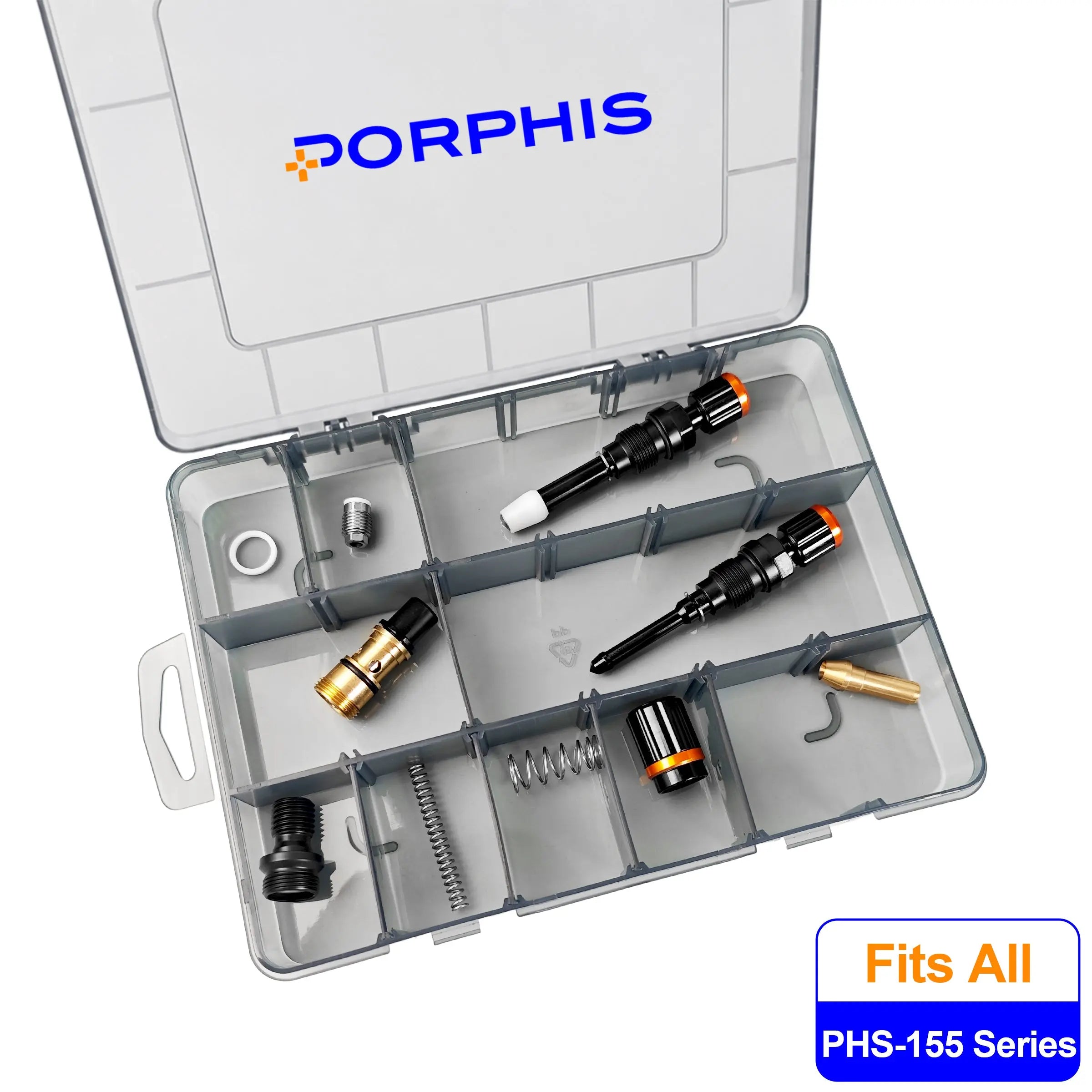
HVLP Spray Gun

The PORPHIS HVLP (High Volume Low Pressure) Spray Gun delivers maximum transfer efficiency by moving a high volume of air at low pressure — pushing more paint onto the surface and less into the air. Operating at 15+ CFM and 30PSI, HVLP guns produce a soft, controlled spray pattern ideal for water-based topcoats, lacquers, and fine finish work where overspray control and surface smoothness are the priority. A go-to choice for furniture finishing, cabinetry, and architectural woodwork.
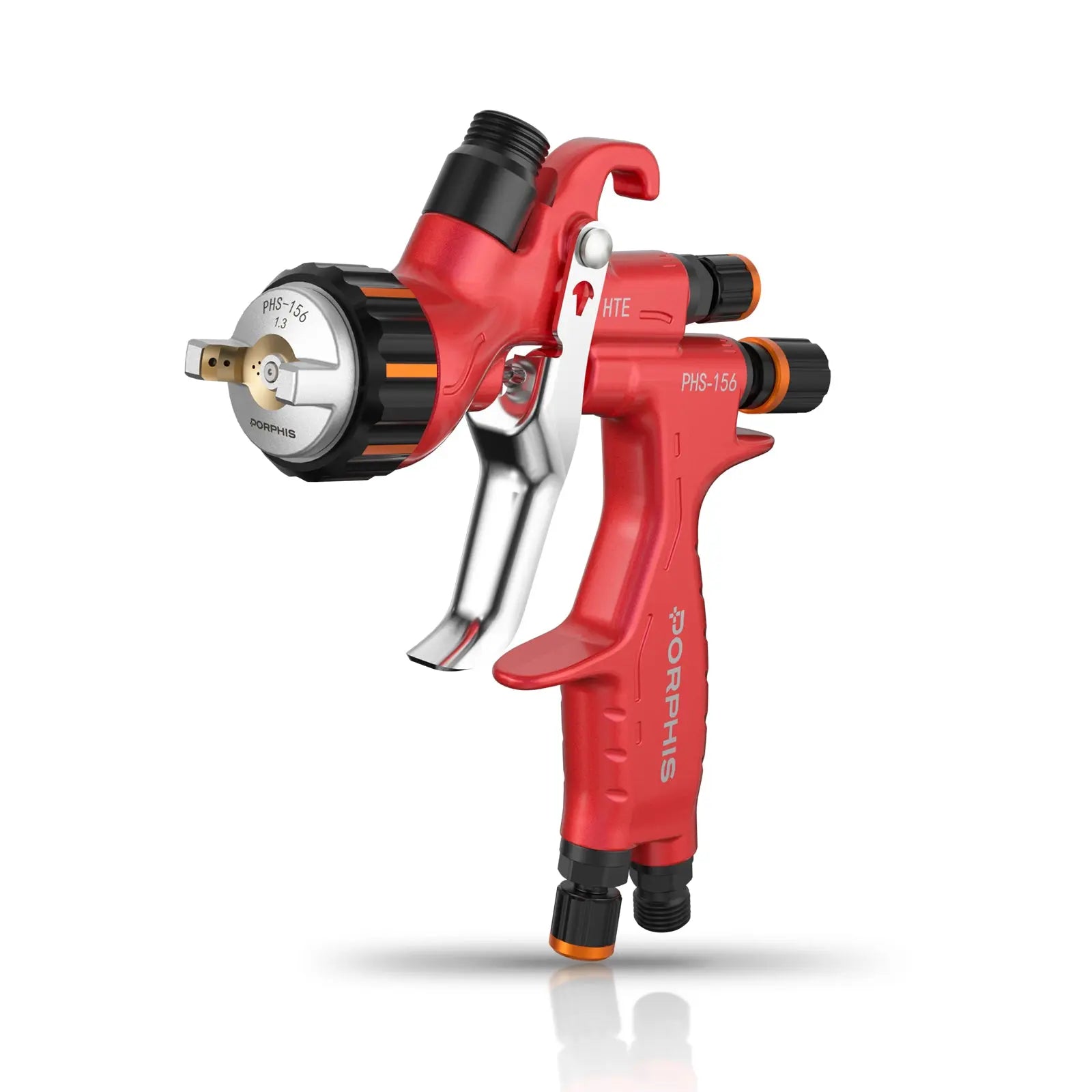
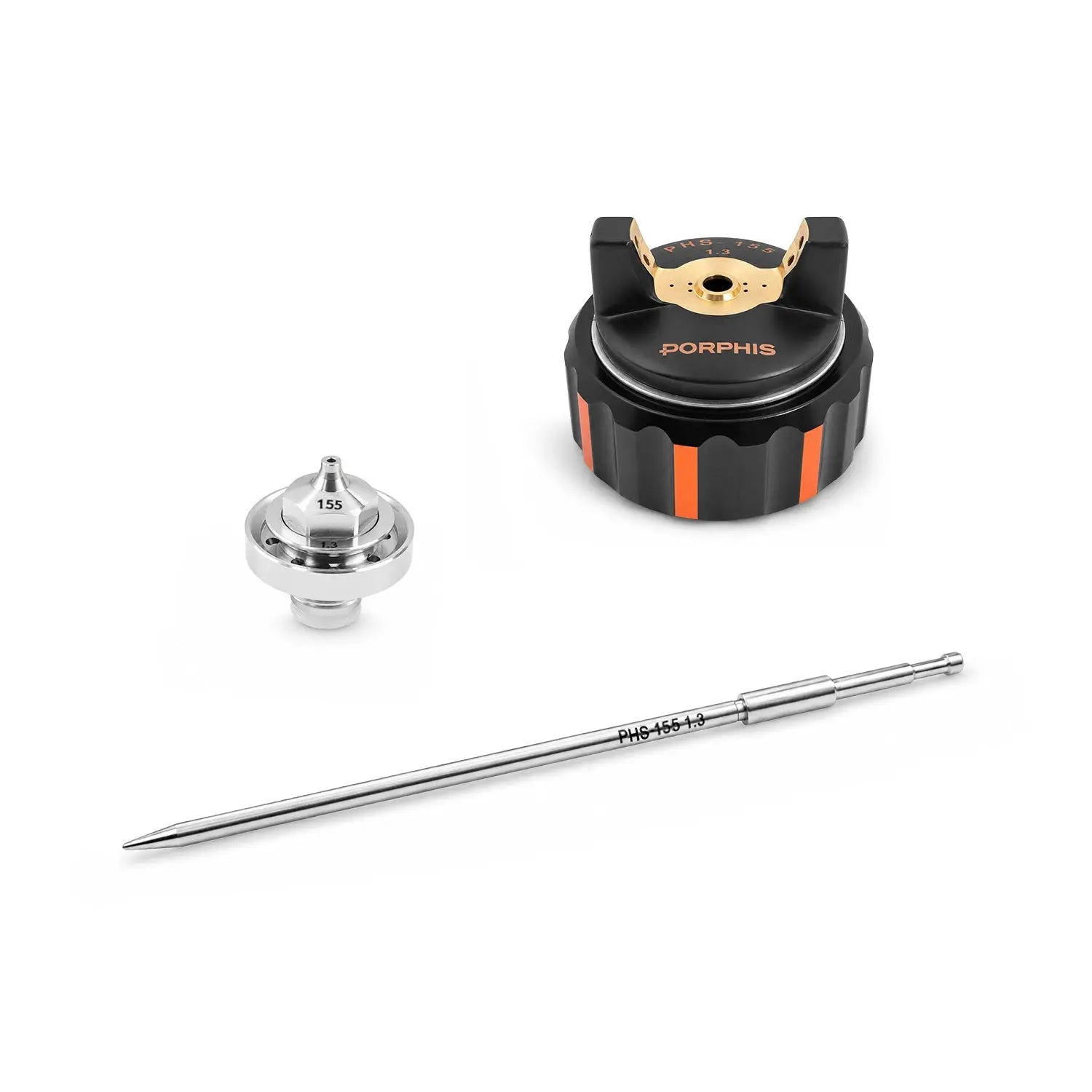
PHS-156 HVLP Gun PORPHIS

PHS-156 HVLP SPRAY GUN

Comprehensive warranty: 1-YEAR
Warranty policy: >>CLICK HERE<< to learn more about.

SHOP NOW

FAQs

Q1: I've never used a spray gun before. Will I ruin my project with the PHS-156?

A: The PHS-156 is specifically designed with first-time users in mind, and HVLP technology is the most forgiving spray method available for learning. Lower pressure means paint hits the surface more slowly — giving you more reaction time if you see the film building too thick. The most common beginner mistakes (runs, sags, dry spray) are all reduced with HVLP because the physics of slower droplet velocity naturally buffers against them. Start with a test panel, dial in your distance and speed, and you'll find the 156 is significantly more forgiving than higher-pressure guns.

Q2: What materials can I spray with the PHS-156?

A: The PHS-156 is optimized for base coat and standard primer applications — waterborne and solvent-based both work well. For clear coat, it will function but the HVLP delivery is slower than what many painters prefer for clear, where flow-out speed matters. If your primary work is base coat and color application, the 156 is purpose-built for that. For clear coat as a primary use, the PHS-155 (MP nozzle) gives you faster, more appropriate clear coat delivery.

Q3: What compressor do I need for the PHS-156?

A: The PHS-156 operates at 1.6–1.8 bar (23–26 PSI) at the gun inlet. A home compressor with 6–8 CFM output at 90 PSI and at least a 15-gallon tank will run the 156 comfortably for most DIY sessions. HVLP uses less air volume than conventional guns, making it one of the most compressor-friendly professional spray methods. If your compressor cycles on continuously during long passes, give it 20-second rest intervals — pressure consistency is more important than uninterrupted flow.

Q4: I'm spraying waterborne base coat indoors in my garage. Is HVLP safer for indoor use?

A: Yes — this is one of HVLP's most meaningful practical advantages for home users. Lower atomization pressure means less airborne mist particle suspension, which translates to less inhalation risk and less surface contamination from airborne overspray settling on nearby objects. In a home garage environment without a spray booth, HVLP significantly reduces the amount of paint mist drifting beyond your target area. You should still wear a proper respirator and ensure adequate ventilation — but HVLP is the most practical technology for indoor DIY environments.

Q5: How do I adjust the fan width on the PHS-156?

A: The fan width control knob is at the top of the gun body — turning it clockwise reduces the fan, counterclockwise opens it to full width. For large panels (hood, doors), open to full fan. For tight sections (pillars, mirrors), reduce to a narrower pattern to avoid overspraying adjacent areas. The fluid control knob (rear of gun) adjusts how much material flows — for beginners, start with both about 1.5 turns open from fully closed and adjust from there. Practice on cardboard until the pattern looks even top to bottom before moving to your actual workpiece.

Q6: How does the PHS-156 compare to the PHS-155 in the same series?

A: Both are PHS series guns, but the core technology is different:

PHS-156 (HVLP) — Lower pressure, more forgiving, optimized for base coat and primers. Best for new users and painters who prioritize control and overspray reduction.
PHS-155 (MP) — Multi-Point atomization, faster material delivery, handles base coat through clear coat. Better for users ready to move beyond basics who need a more versatile all-rounder.
Start with the 156 if you're new and doing color application. Consider the 155 when you're ready for a gun that takes you through the full coating process including clear coat at production pace.

Q7: Can I use the PHS-156 for furniture or cabinet painting, not just automotive?

A: Absolutely — HVLP technology is actually particularly well-suited to furniture and cabinet work. The lower pressure reduces bounce-back in enclosed cabinet interiors, and the fine atomization produces smooth surfaces on flat panel work without the texture that higher-pressure guns can create. Waterborne cabinet lacquers and wood stains work very well through the 156. The wide fan pattern makes covering large flat furniture panels efficient, while the adjustable fluid control lets you dial back for smaller decorative pieces. Many furniture refinishers prefer HVLP exclusively for exactly these reasons.

Related Videos

E-Guides