MP Spray Gun

The PORPHIS MP (Medium Pressure) Spray Gun bridges the gap between high-transfer efficiency and the raw atomization power needed for heavier coatings. Operating at 10CFM and 22–32 PSI, MP guns handle thicker materials — primers, epoxies, and high-build coatings — without sacrificing spray consistency. Designed for painters who work across multiple substrates and need a versatile, all-conditions performer that adapts to the job rather than the other way around.
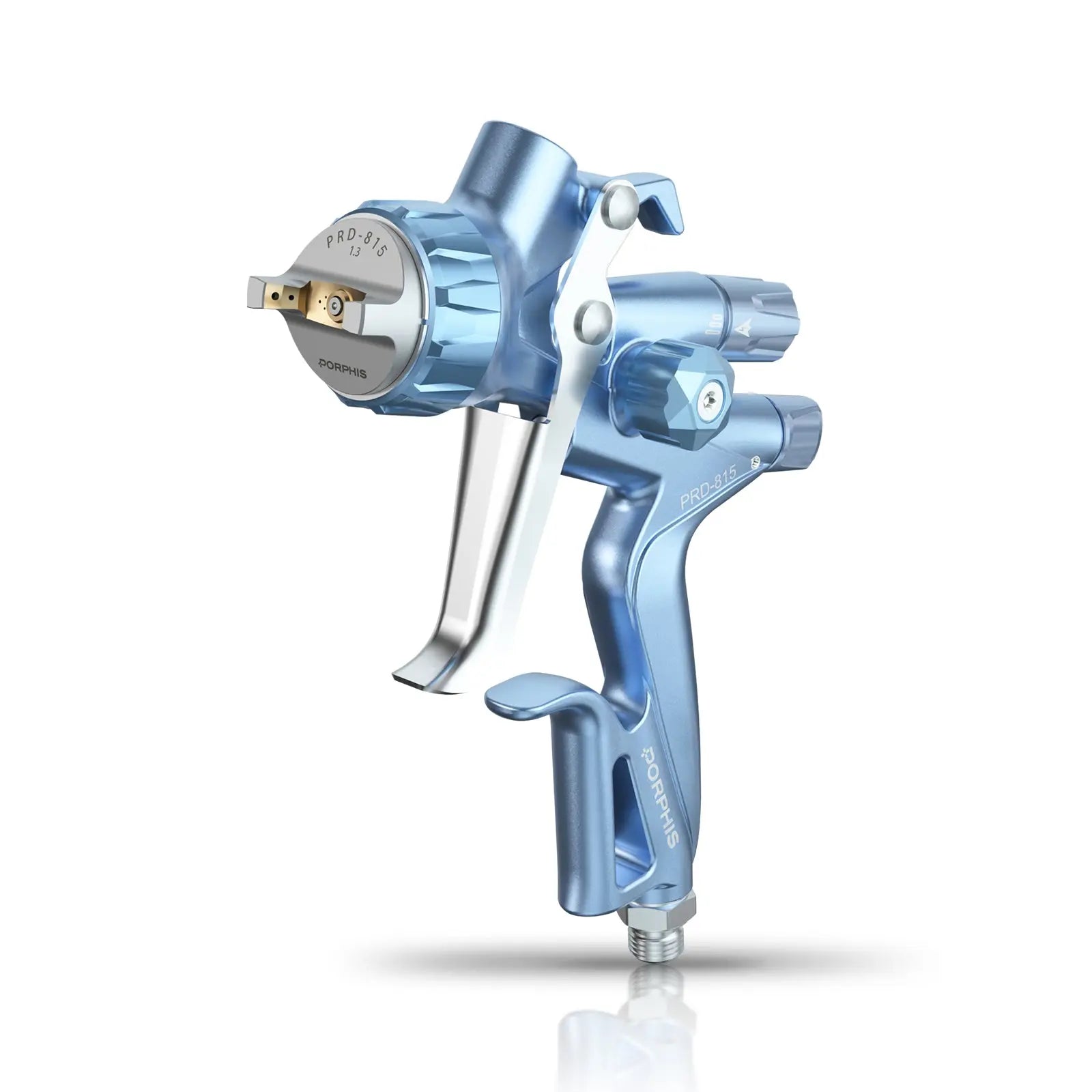
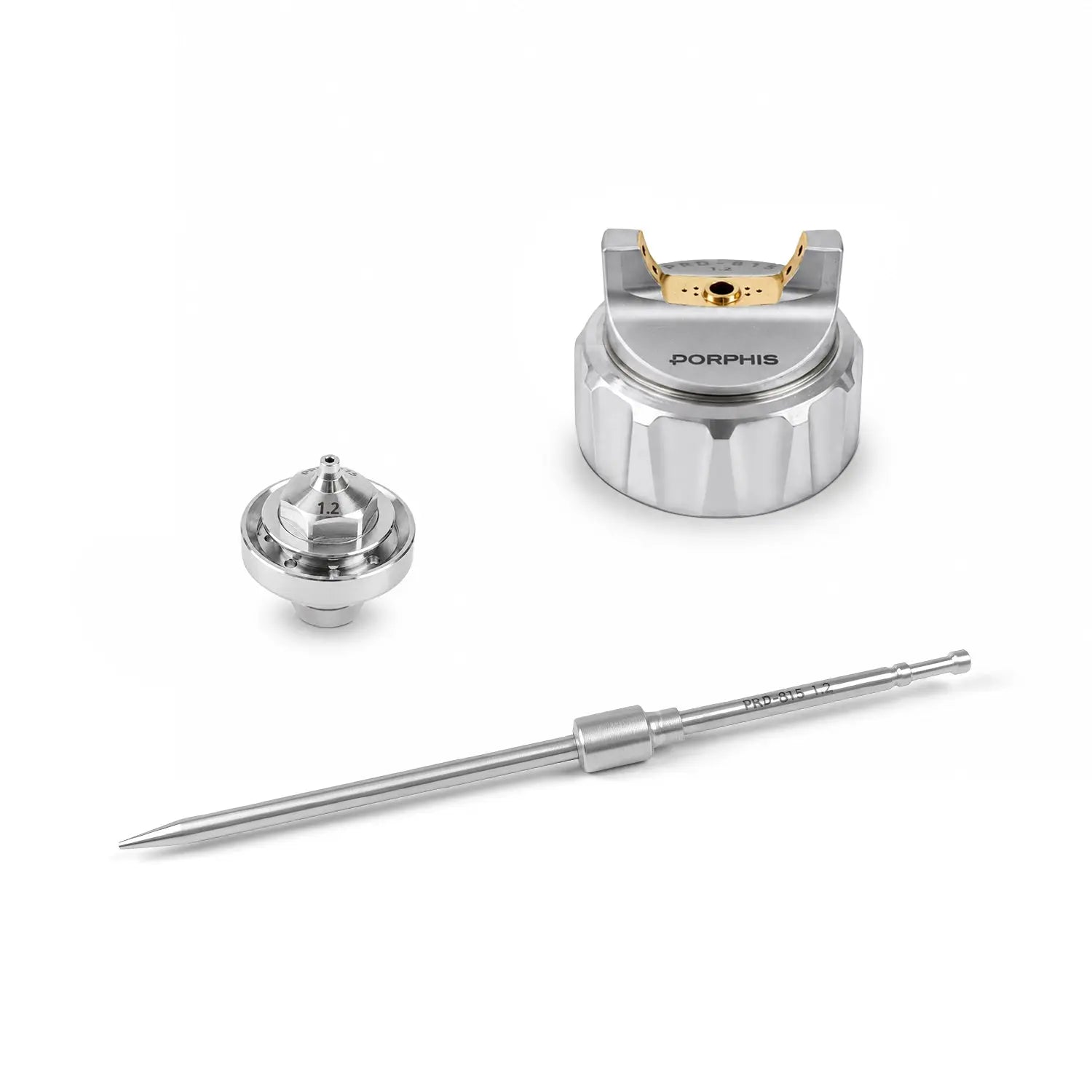
PRD-815 Paint Spray Gun PORPHIS

PRD-815 MP SPRAY GUN

Comprehensive warranty: 1-YEAR
Warranty policy: >>CLICK HERE<< to learn more about.

SHOP NOW

FAQs

Q1: I've had spray guns arrive with metal shavings or debris inside the fluid passages. How does the PRD-815 handle this?

A: This is one of the most common complaints across the industry — and it's unacceptable at any price point. Every PRD-815 undergoes triple ultrasonic vacuum cleaning before assembly, with all fluid passages, nozzles, and needles machined from 304 stainless steel to eliminate rust at the source. We guarantee your gun arrives clean and ready to spray out of the box. No shavings. No clogs on the first pull.

Q2: My last spray gun had a fan control knob that felt vague — half a turn did nothing, then the pattern suddenly jumped. Is the PRD-815 different?

A: Yes, fundamentally different — and this was a deliberate engineering priority. The PRD-815 features a linear-response needle adjustment system: 1 turn = 30% pattern width, 1.5 turns = 55%, 3 turns = 100%. Every increment you turn is an increment you feel and see. No dead zones, no sudden jumps. If you've ever fought a spray gun that felt like guesswork, the PRD-815 will feel like switching from a broken dial to a precision instrument.

Q3: Does the PRD-815 spit or drip, especially when I first pull the trigger or when using thinned clear coat?

A: Spitting is almost always caused by poor needle-to-nozzle sealing or pressure fluctuation at the fluid tip. The PRD-815's needle and nozzle are factory-matched and use a dual-layer conical seal that maintains a clean, consistent shutoff every time you release the trigger. For low-viscosity or heavily thinned clear coats, we recommend keeping inlet pressure between 1.6–2.0 bar and ensuring your air supply is dry — moisture in the line is the #1 hidden cause of spitting that most users overlook.

Q4: What compressor do I actually need to run the PRD-815? I don't want to buy a gun and then find out my setup can't handle it.

A: The PRD-815 operates at 1.6–2.0 bar (23–29 PSI) at the gun inlet. For clear coat and base coat with the 1.3mm nozzle, a compressor delivering at least 8–10 CFM at 90 PSI with a 20-gallon+ tank will give you consistent results. If you're running a smaller home compressor (6-gallon), you may experience pressure drops during extended passes — in that case, our PRD-510 LVLP (5.6 CFM) is specifically engineered for small home setups. We'd rather point you to the right gun than have you frustrated with the wrong one.

Q5: Is the PRD-815 suitable for waterborne base coats and clear coats? I'm switching to water-based and worried about atomization quality.

A: The PRD-815's MP atomization system was optimized with waterborne coatings in mind. Its 0.08mm particle size at 65%+ transfer efficiency produces the ultra-fine mist that waterborne clears need — without the "dry spray" or orange peel that cheaper guns produce when atomization is too coarse. The laminar flow technology also accelerates water-based paint curing by approximately 30%, which matters when you're working in a spray booth and need to cut flash times between coats.

Q6: How difficult is the PRD-815 to clean? I've had guns where paint gets trapped in the air cap and it's a nightmare.

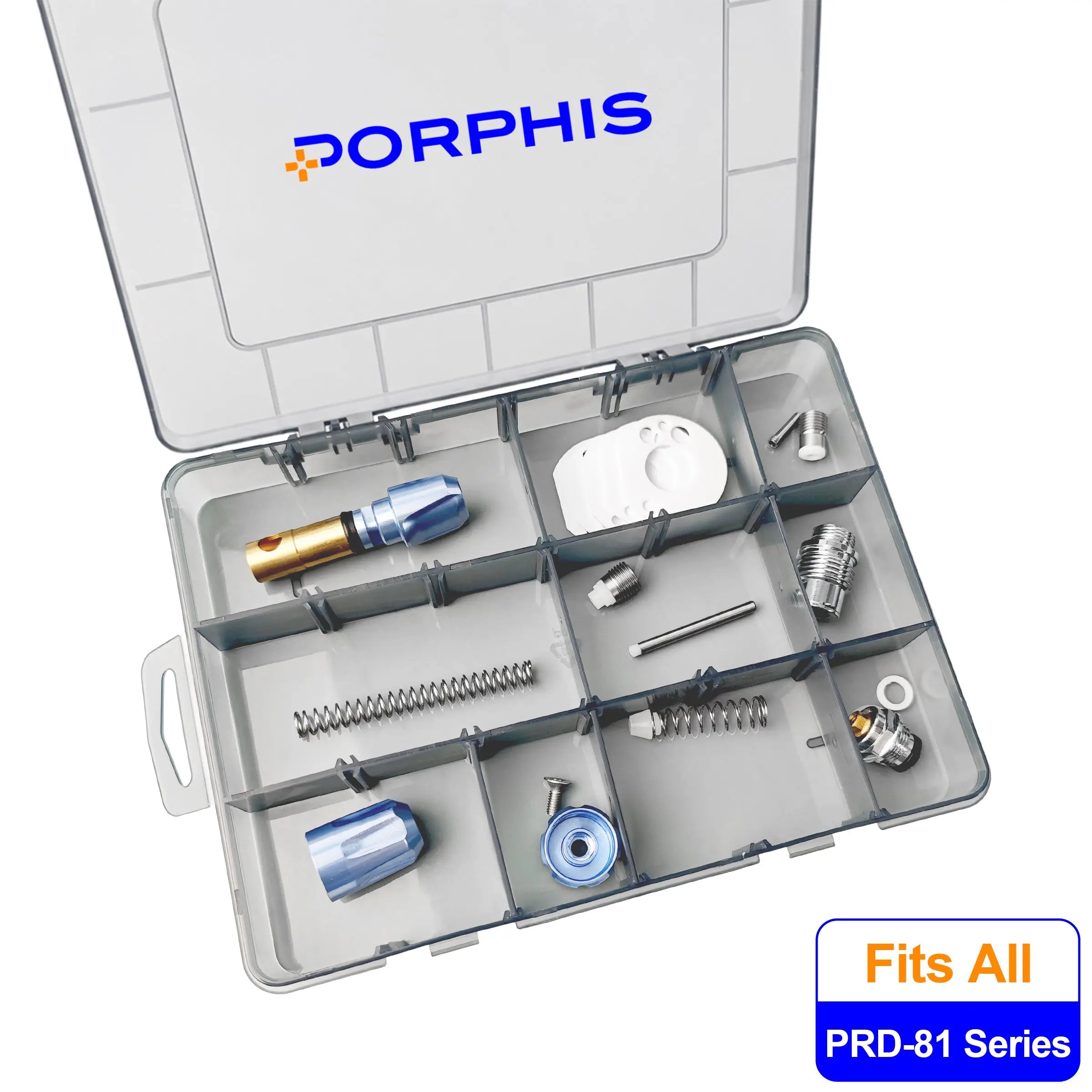
A: The PRD-815's dual-airflow design (main/auxiliary separation) means the air passages stay cleaner during use — less paint bounce-back into the air cap channels. For post-job cleaning: flush the fluid passages with solvent first, then remove and soak the air cap and nozzle separately. The one-piece nozzle design reduces the number of components you're handling. Full disassembly for deep cleaning takes most users under 10 minutes once you've done it twice. Replacement parts for every internal component are available individually — you'll never need to buy a whole new gun because one seal wore out.

Q7: How does the PRD-815 compare to the PRD-817? Is it worth the price difference?

A: The PRD-817 is our flagship clear coat gun — if mirror-finish atomization on clear coat is your primary goal, the 817's VS Split Nozzle and Self-Cleaning Air Cap are purpose-built for that. The PRD-815 is the better choice if you need a versatile gun that handles both base coat and clear coat with high atomization quality, and you value precise manual control over spray width. The 815's linear needle adjustment and MP atomization make it particularly strong for complex curves, tight panels, and jobs where you're constantly adjusting pattern width. Different tools for different workflows — neither is a compromise.

Q8: The hose always gets in the way when I'm spraying low angles or tight spots. Does the PRD-815 help with this?

A: Yes. The PRD-815 features a patented limited-rotation swivel air inlet that allows quick, tool-free connection and significantly reduces lateral hose torque during operation. When you're spraying rocker panels, furniture undersides, or tight body gaps, the swivel follows your movement instead of fighting it. It's not a gimmick — painters who spend hours in awkward positions will feel the difference within the first job.

Related Videos

E-Guides