
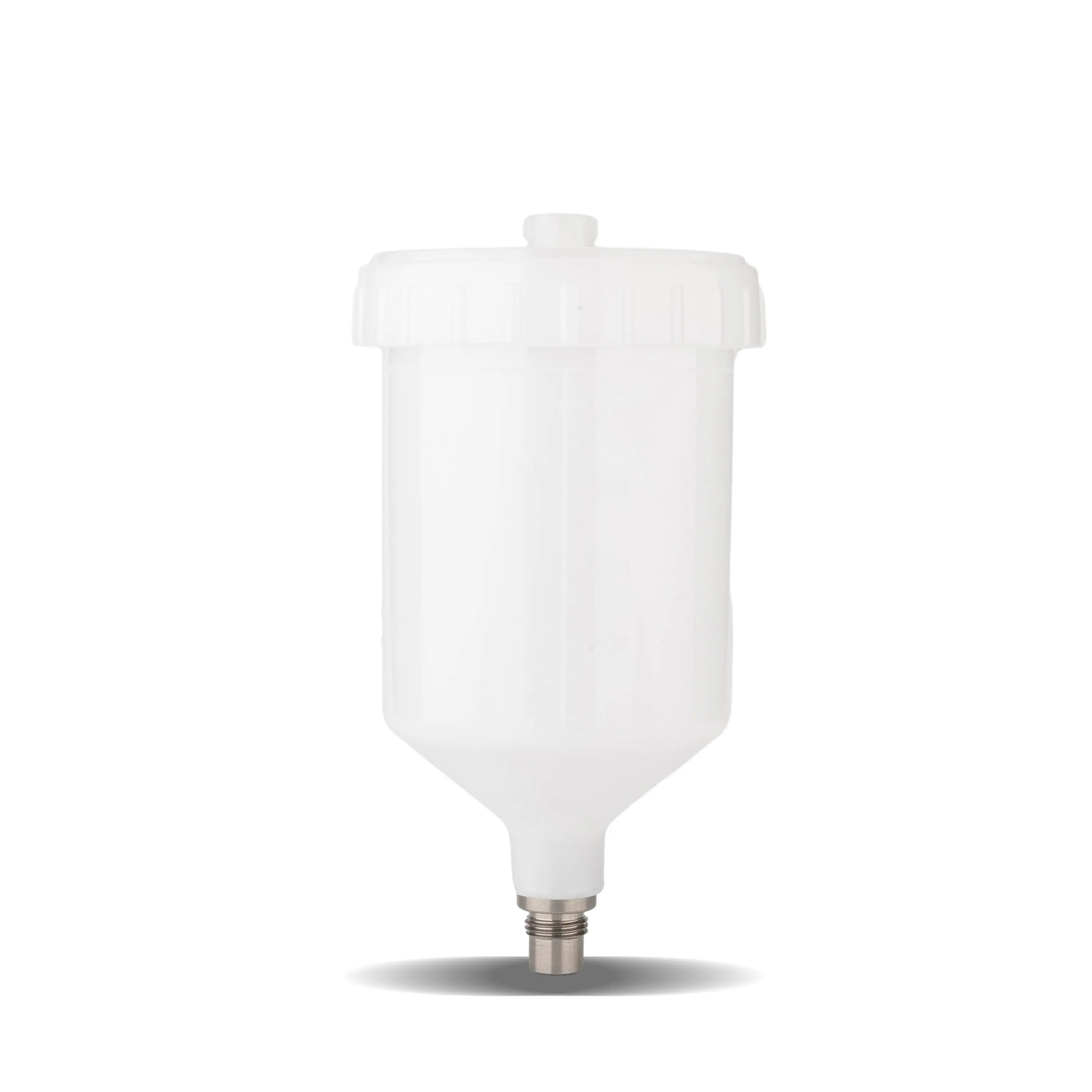
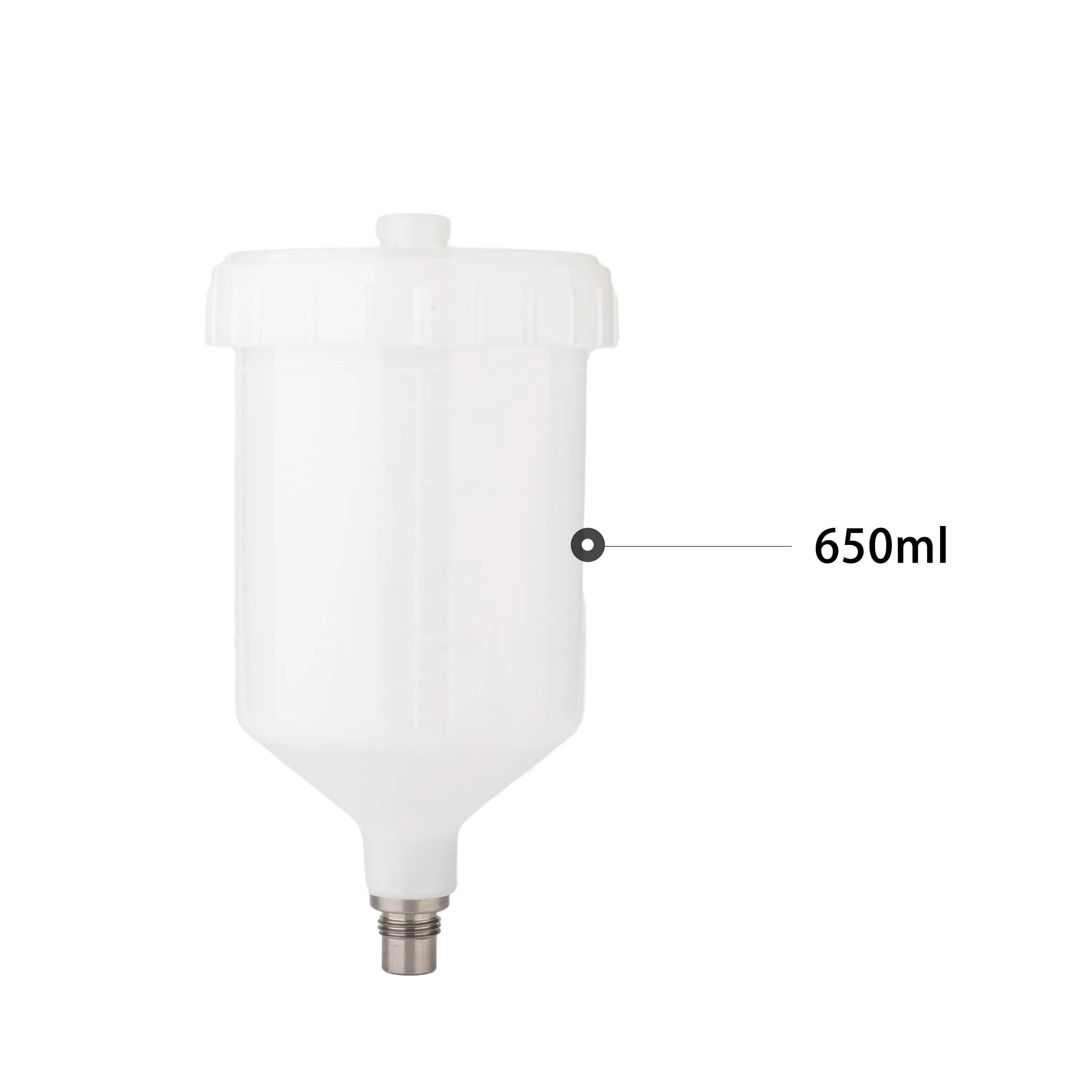
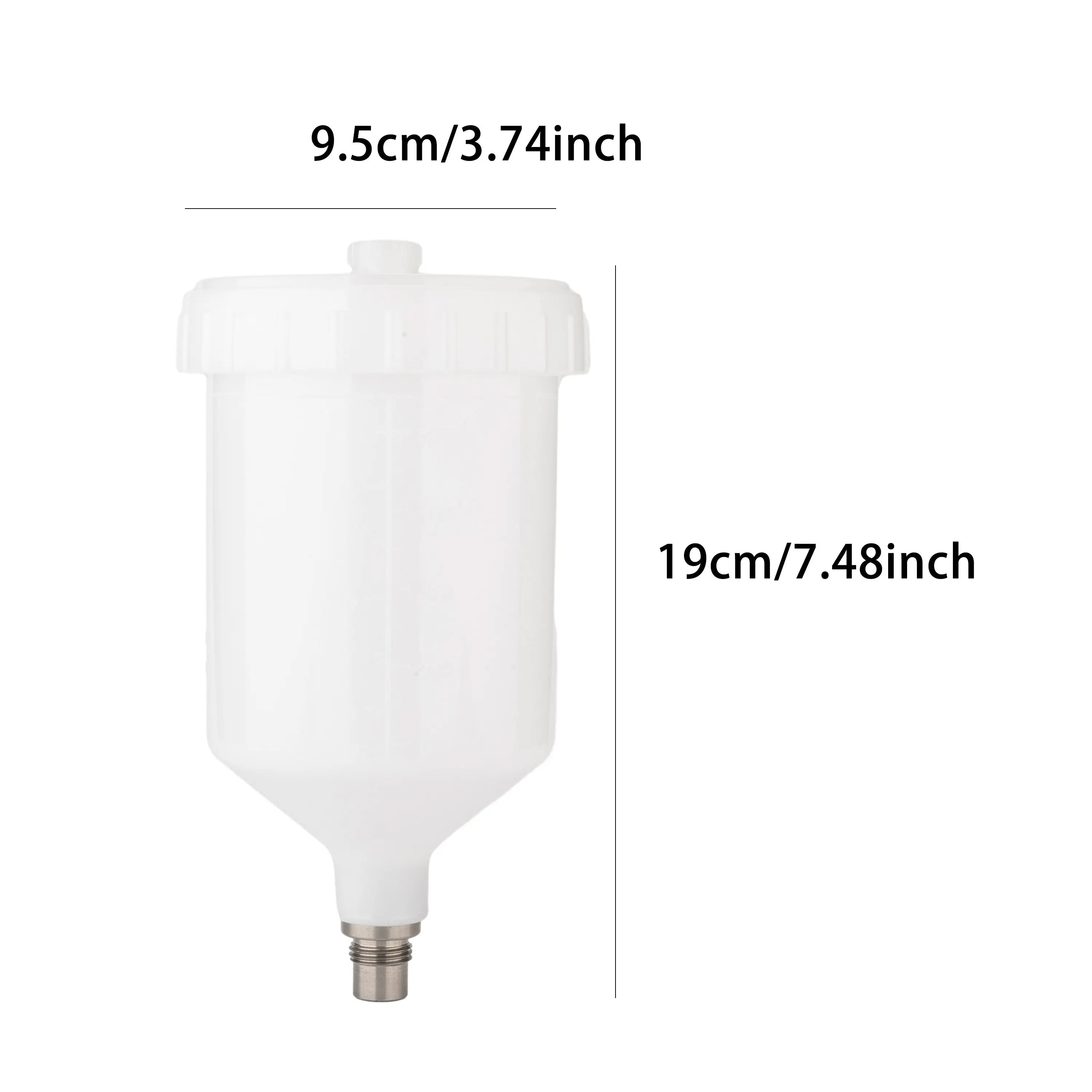
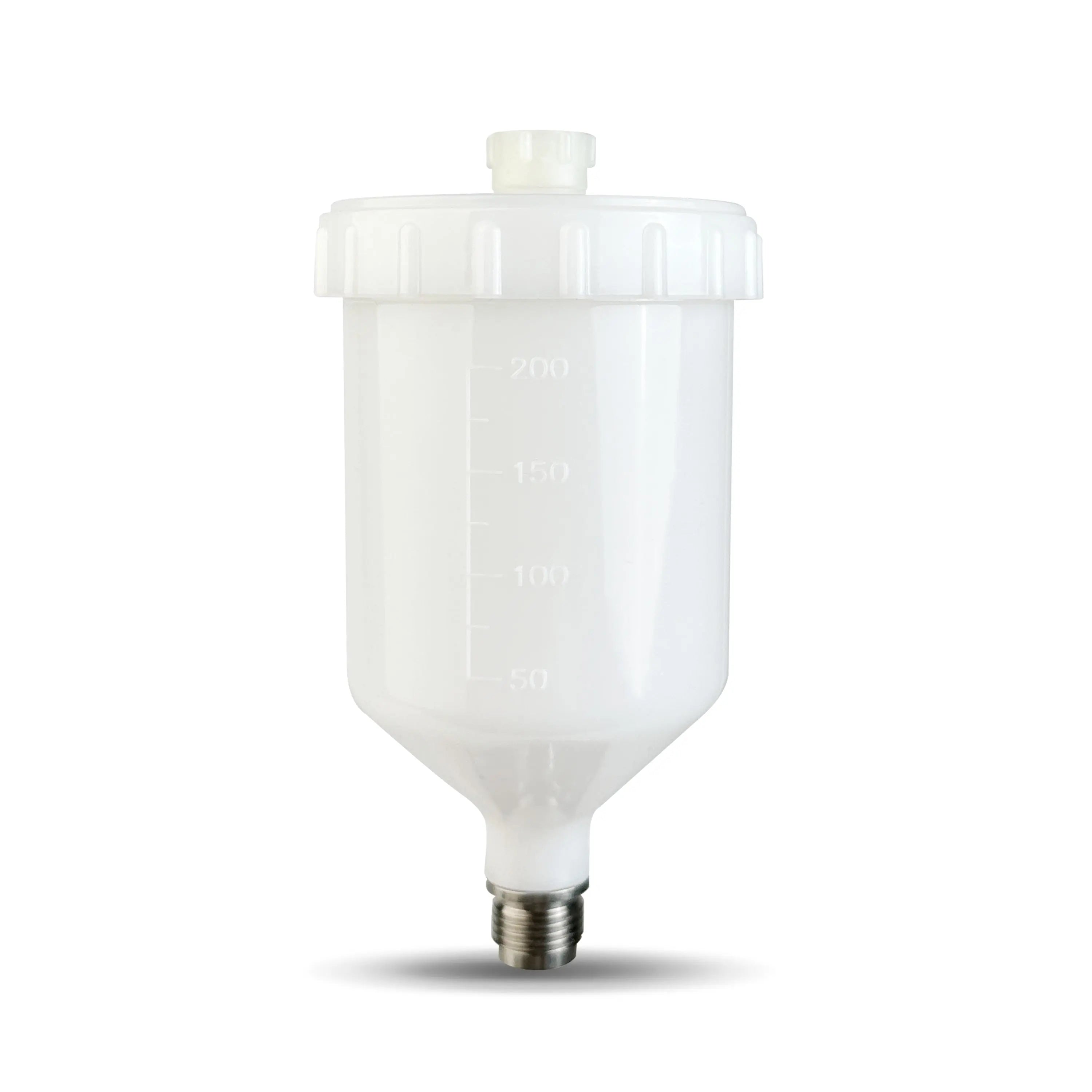
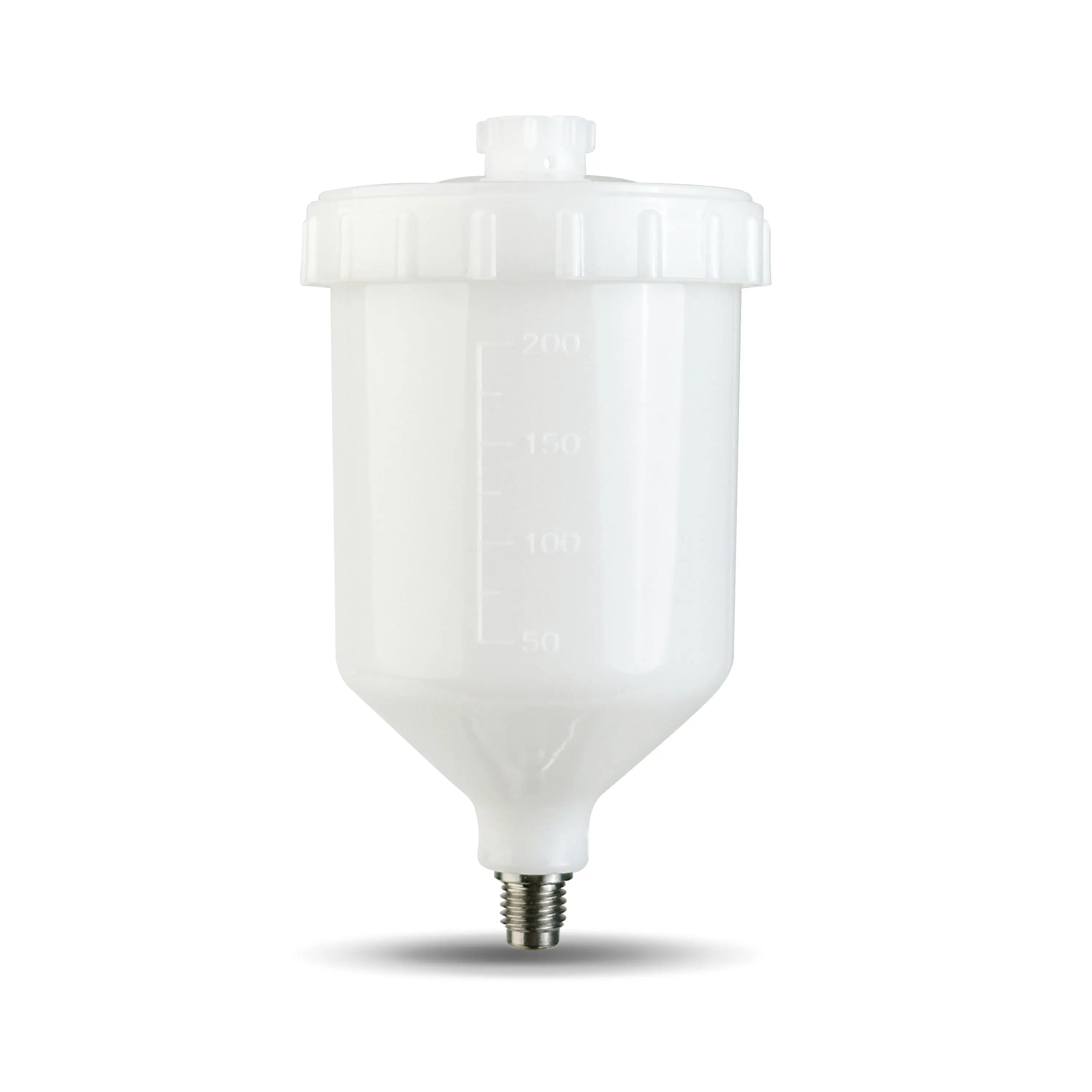
White Plastic Paint Cup
See Your Paint Level. Lightweight Convenience. Ready When You Are.
White Plastic Paint Cup
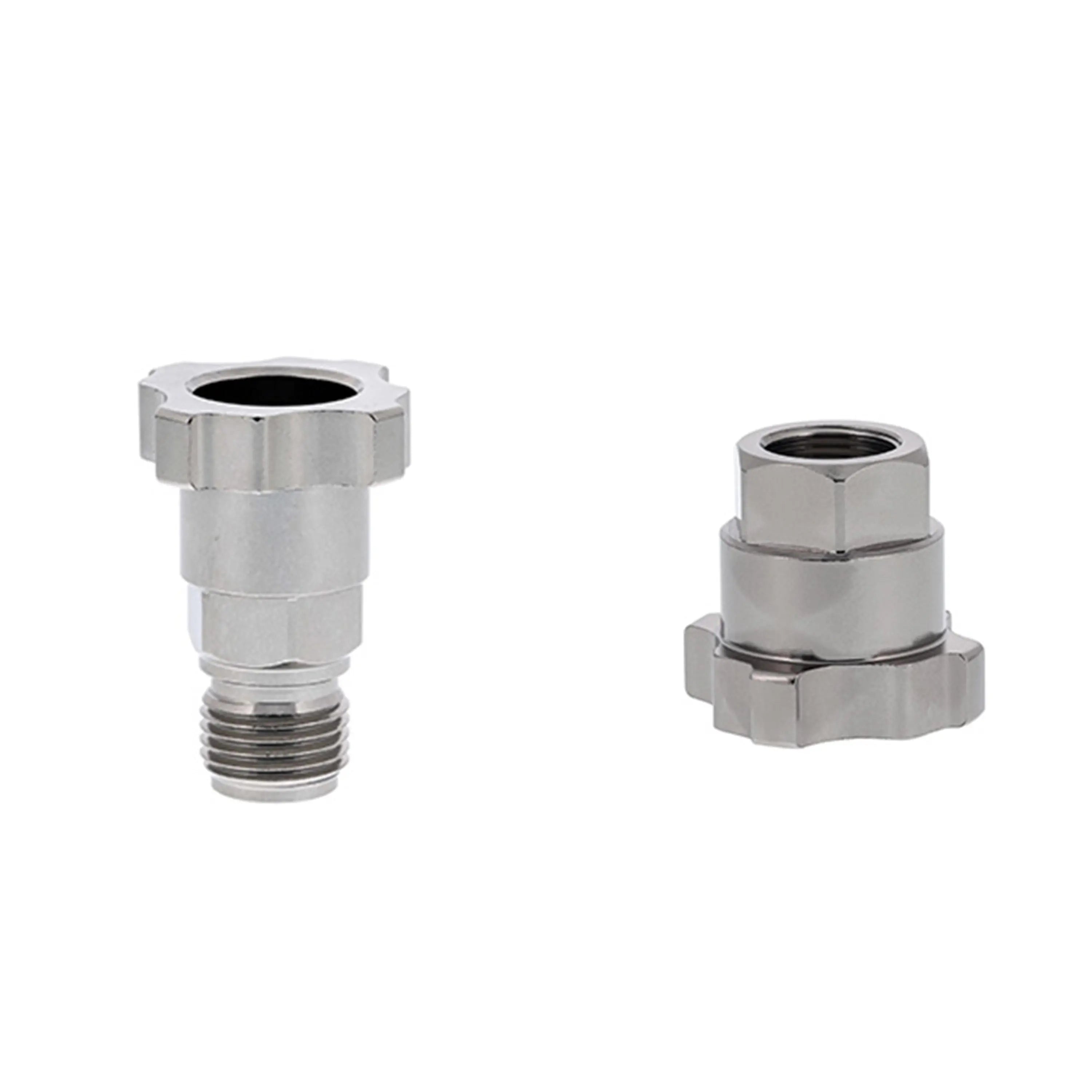
More Accessories

Aluminum Gravity Feed Spray Gun Cup
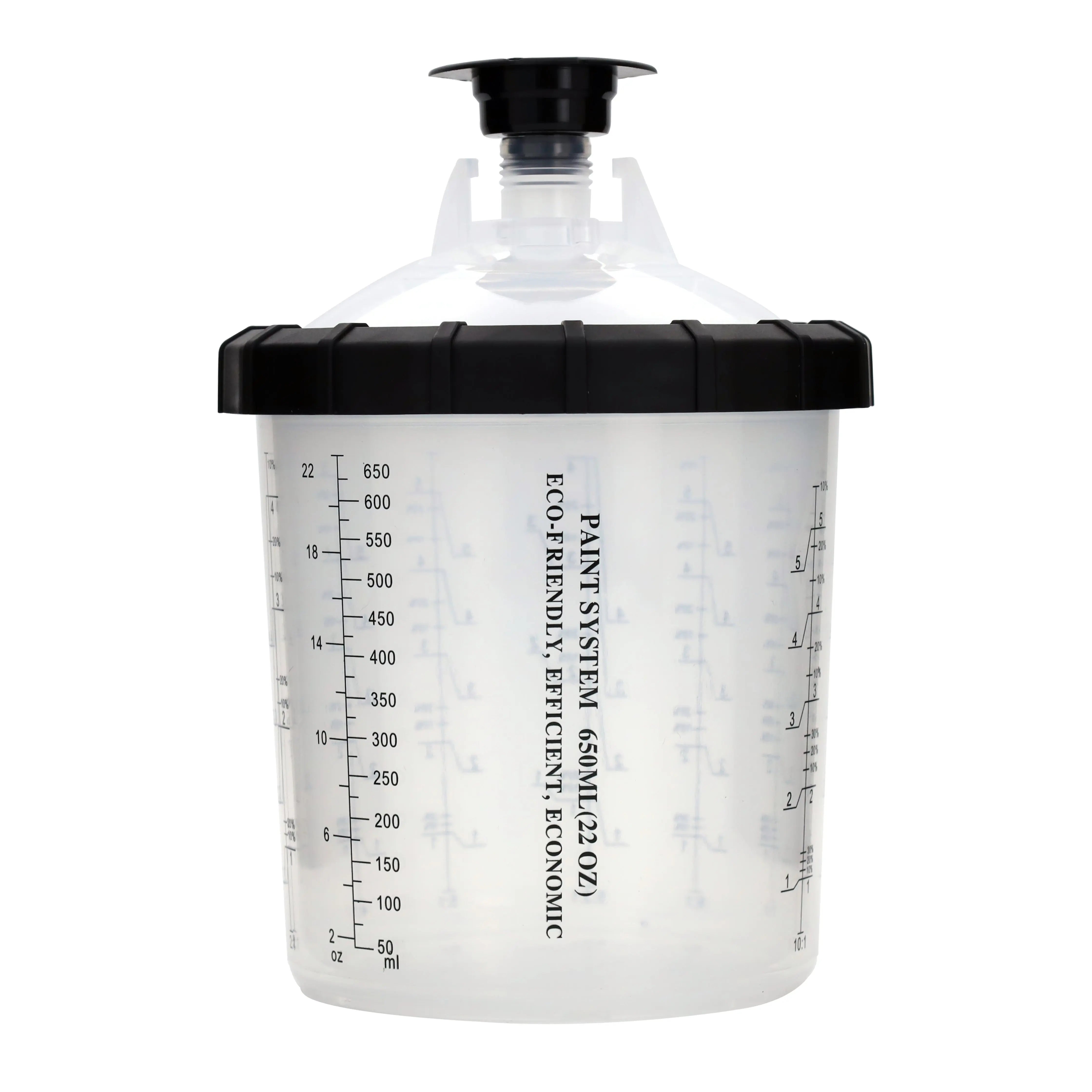
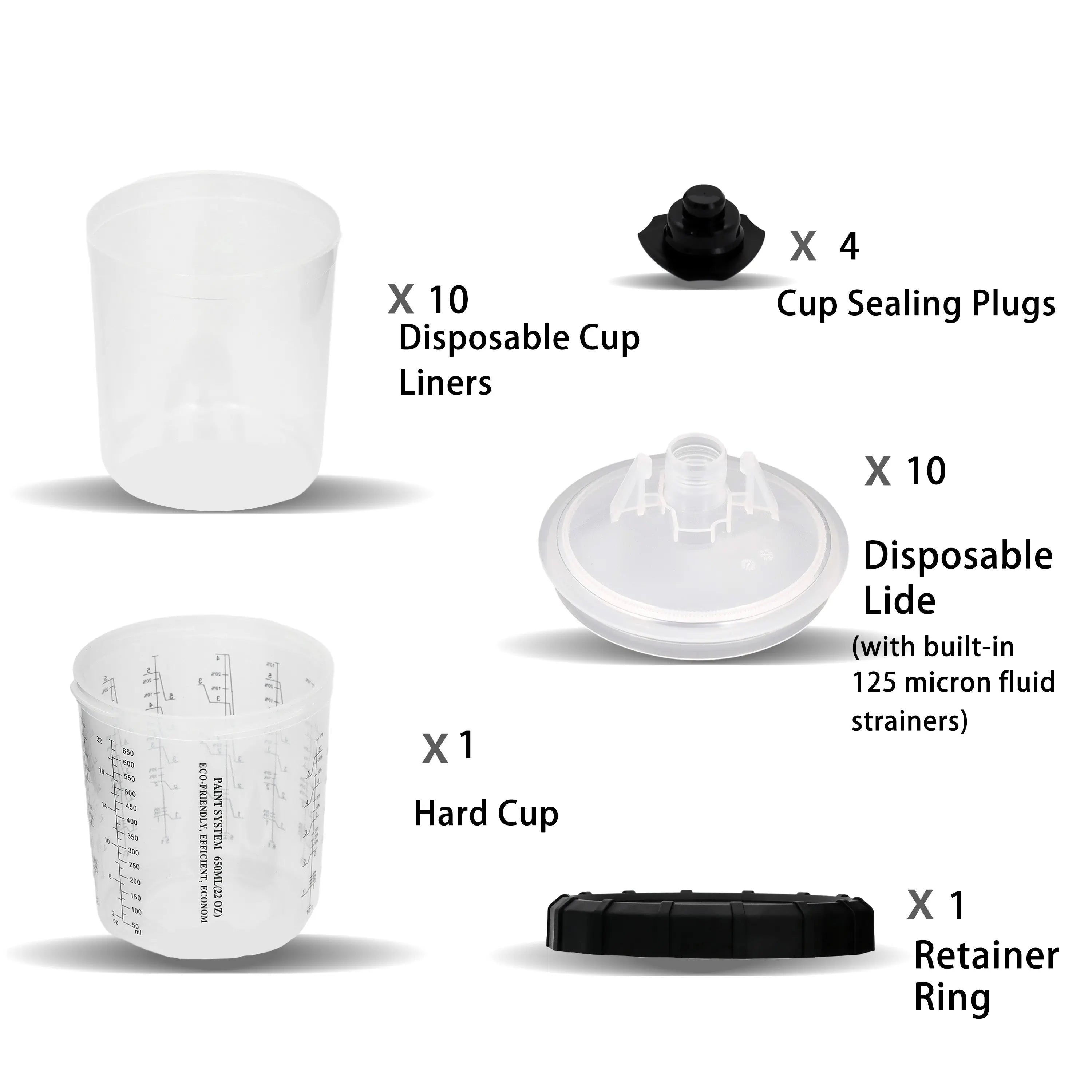
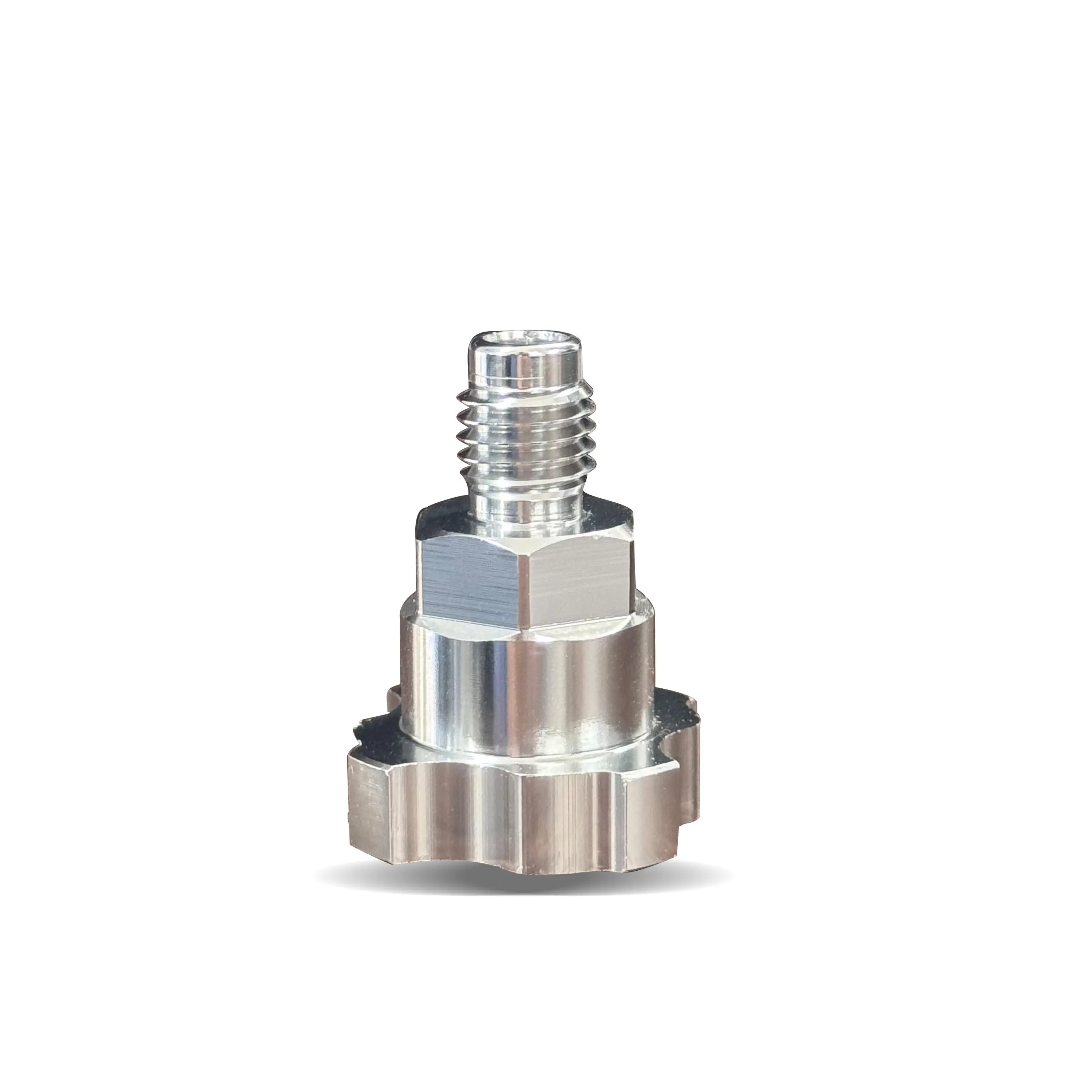
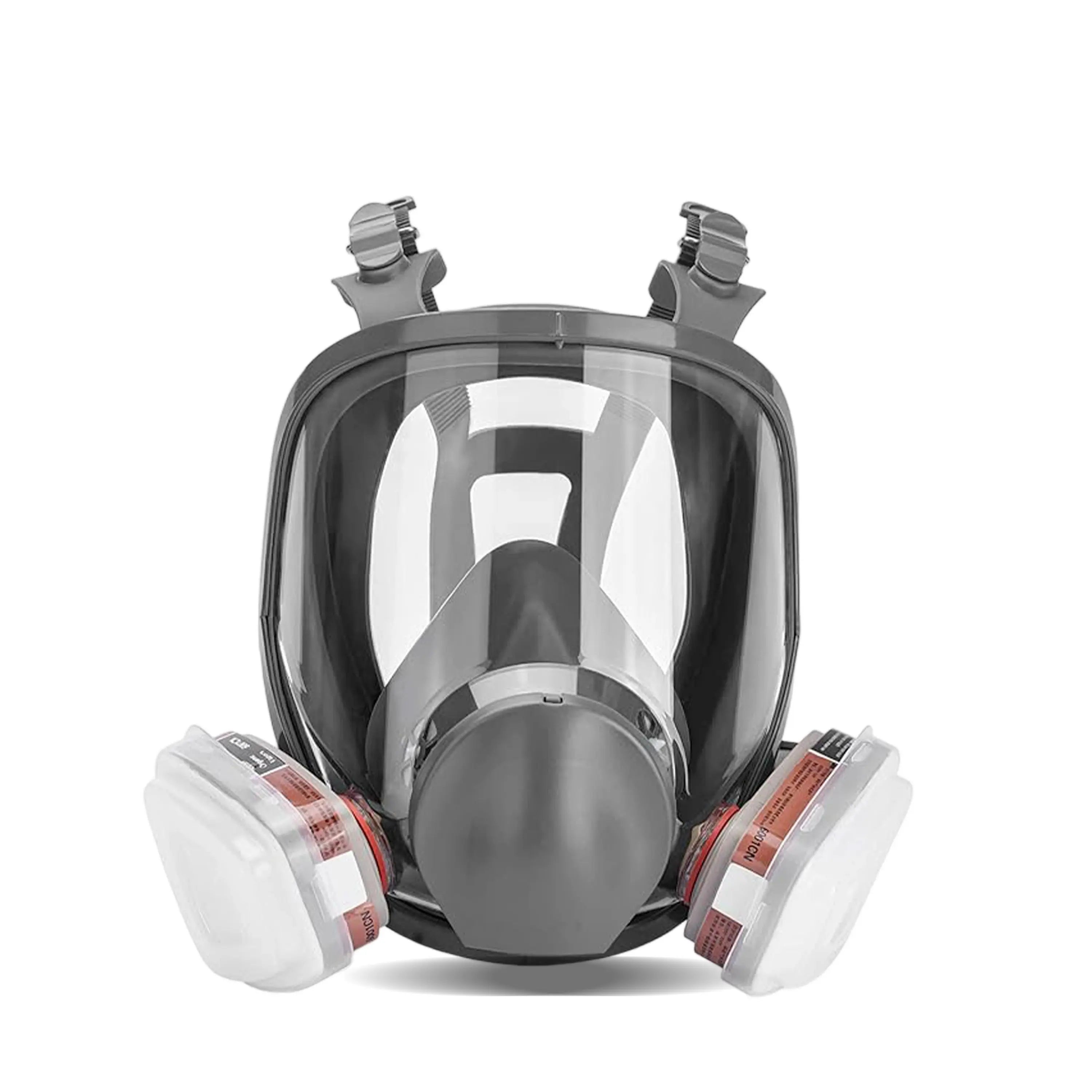
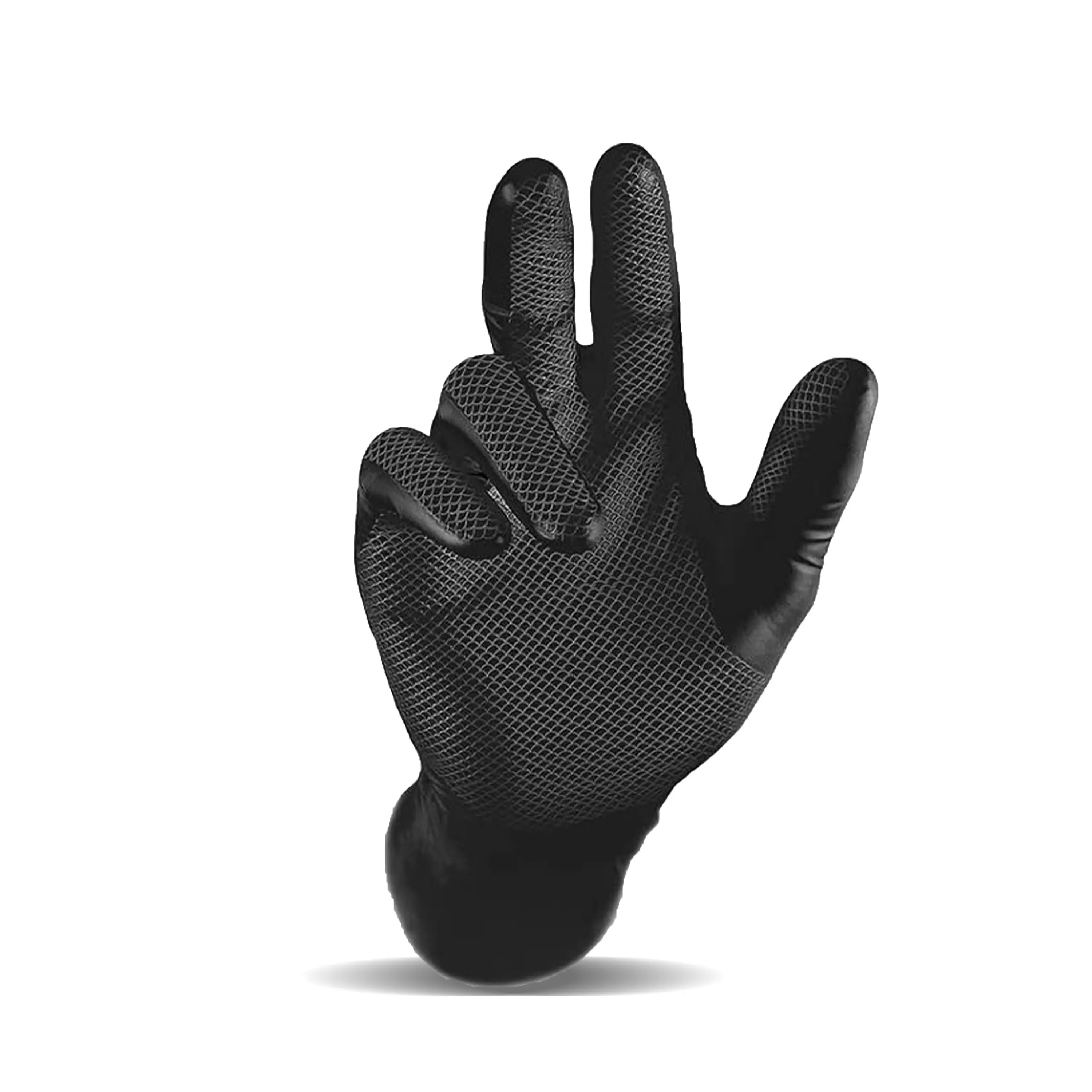
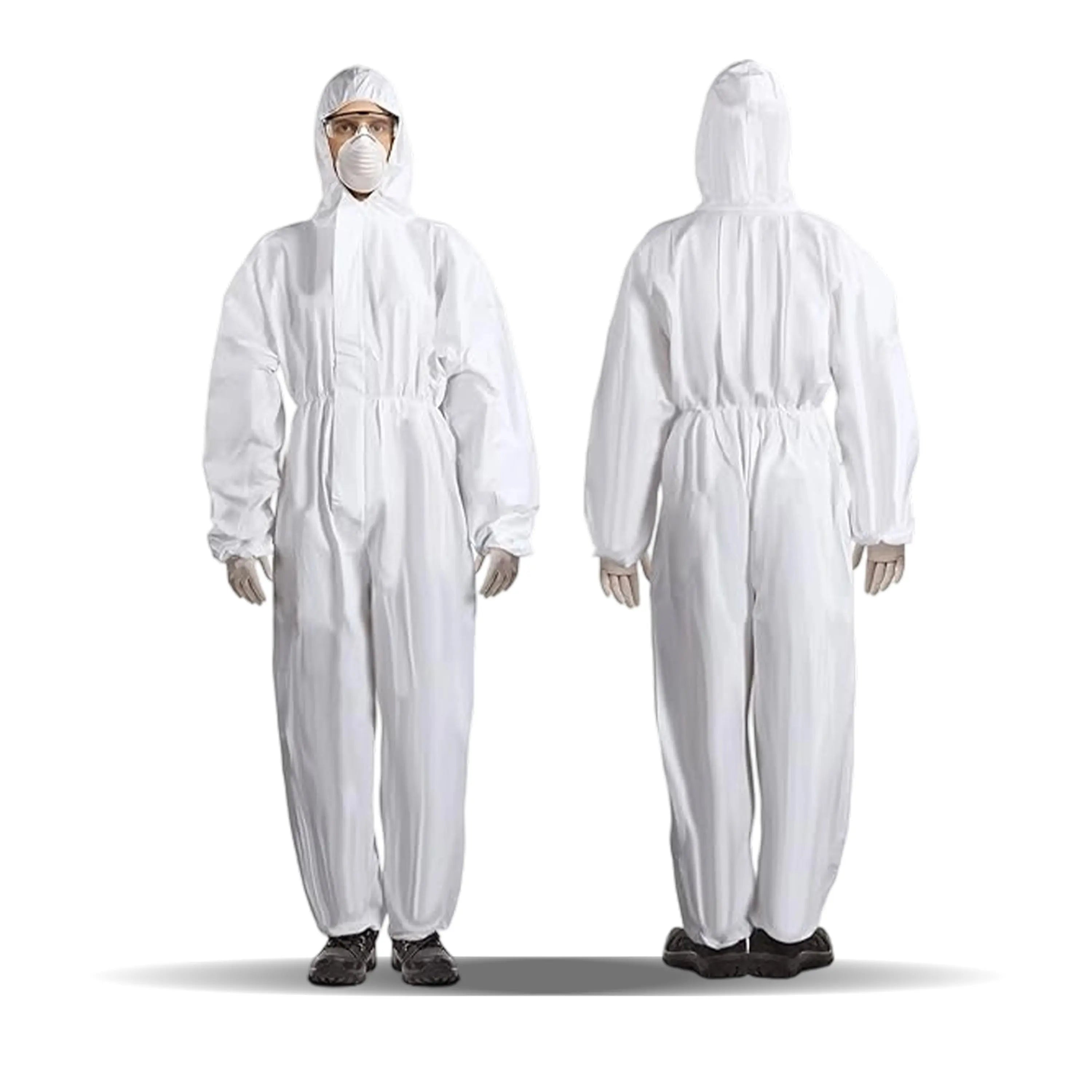
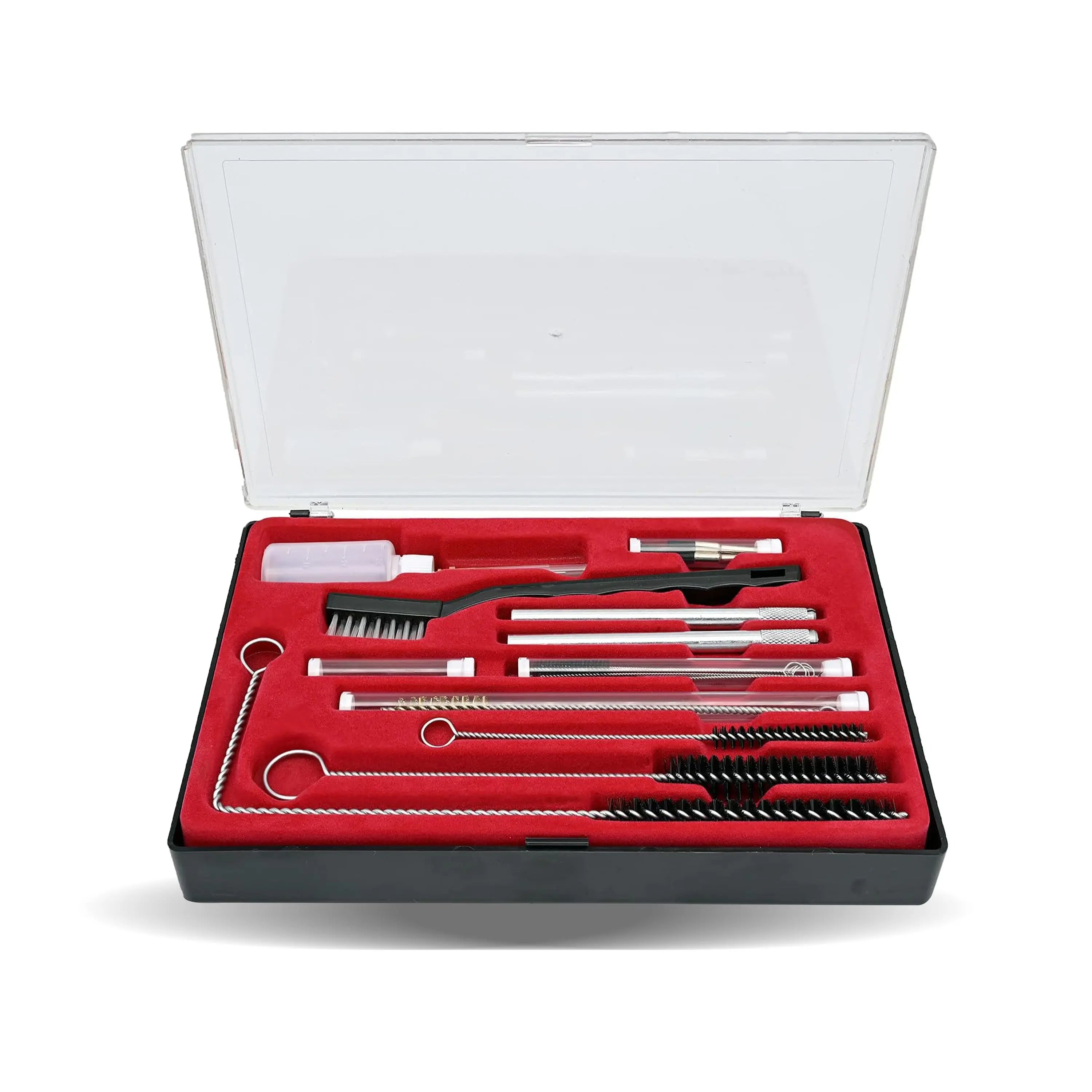
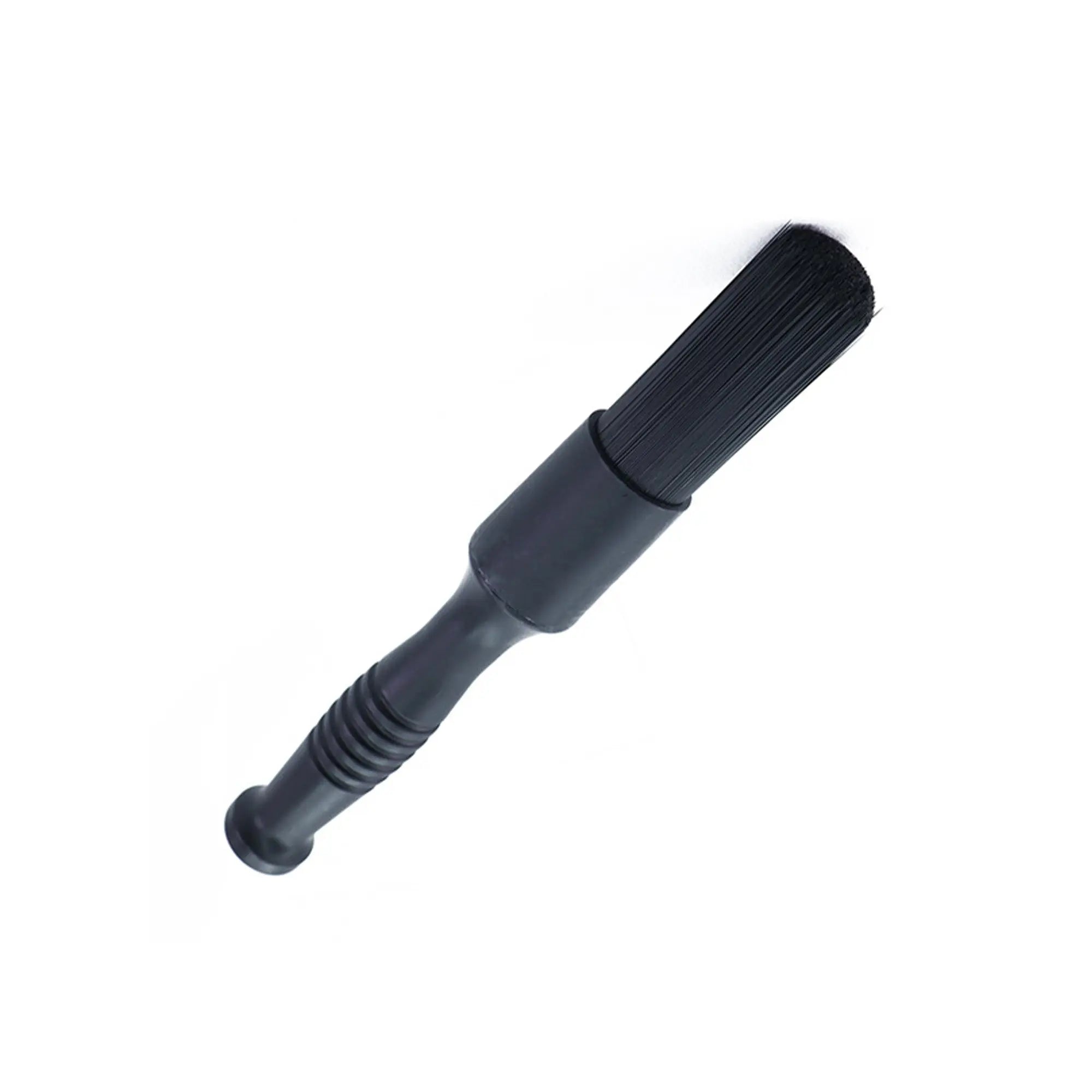
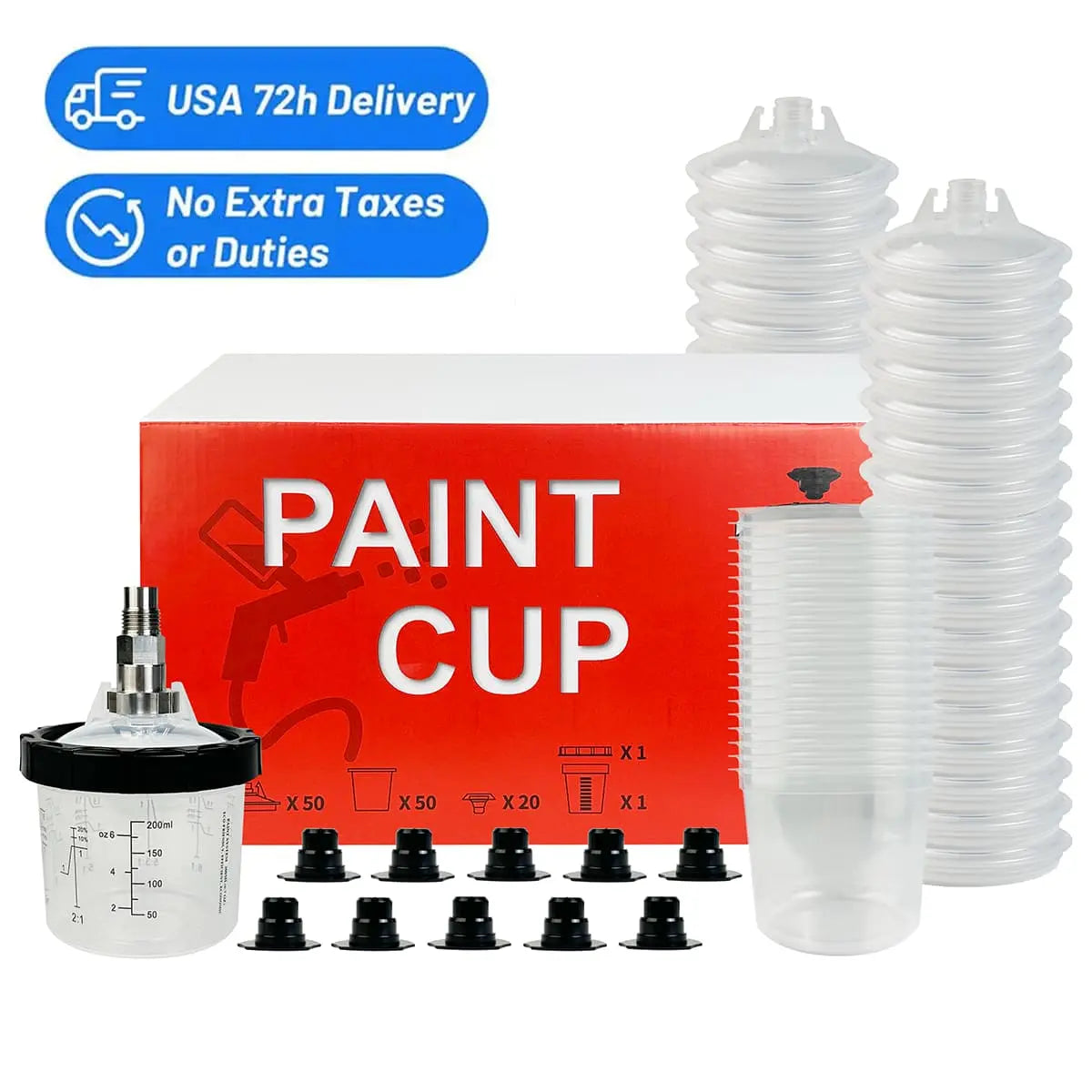
Paint Mixing Cup Kit (USA 72-Hour Delivery)
FAQs-Cup Systems
Q1: How does the no-clean cup actually work? Is it really zero cleaning?
A: The no-clean cup system uses a disposable liner inside a reusable outer cup body. When you finish spraying one material, you remove the liner (with remaining paint inside), seal it for disposal or storage, and insert a fresh liner for the next material. The outer cup body stays clean because it never contacts the paint directly. In practice: changing materials takes under 30 seconds, uses zero solvent, and produces zero solvent waste. The outer body requires only an occasional wipe-down — not a full solvent flush.
Q2: Are the disposable liners compatible with solvent-based paints and clears, or only waterborne?
A: Porphis no-clean cup liners are chemically resistant to both waterborne and solvent-based materials including standard automotive clears, lacquers, and enamels. They are not rated for highly aggressive solvents such as acetone or MEK used at full concentration. For standard automotive coating solvents (lacquer thinner, reducer, urethane thinner), the liners maintain integrity for the duration of a normal spray session. Do not store mixed 2K materials in the liner beyond the pot life of the material — this is a material chemistry constraint, not a liner limitation.
Q3: Why choose aluminum over plastic for a spray gun cup?
A: Aluminum cups offer three practical advantages over plastic in a professional environment: chemical resistance to aggressive solvents that can cloud or crack plastic over time, structural durability that withstands workshop drops without cracking, and a more secure thread interface that maintains a tighter seal as the cup ages. For painters using strong solvent-based clears or industrial coatings regularly, aluminum's long-term resistance to solvent degradation is a meaningful durability advantage. Aluminum cups also maintain their thread integrity longer — a damaged cup thread that causes paint leakage mid-job is a frustrating and avoidable problem.
Q4: Does the aluminum cup affect paint color or contaminate waterborne materials?
A: Porphis aluminum cups use an anodized interior finish that creates a chemical barrier between the aluminum body and the cup contents. For waterborne coatings specifically, the anodized surface prevents any metallic ion transfer that could affect color accuracy. The cup should be cleaned thoroughly after each use regardless of material type — dried waterborne paint inside an aluminum cup is significantly harder to remove than from a plastic cup and can contaminate subsequent jobs if not fully flushed.
Q5: Are plastic cups lighter than aluminum? Does it make a noticeable difference?
A: Yes — plastic cups are meaningfully lighter than aluminum equivalents at the same volume. For overhead work, tight-angle spraying, or extended sessions where gun weight is a fatigue factor, the lighter plastic cup reduces forward weight at the gun nose. The difference is most noticeable during the first and last hour of a long session, when the cumulative fatigue effect of front-heavy weight becomes most apparent. If weight is your primary concern for a specific application, plastic is the practical choice; if solvent durability is the priority, aluminum wins.