
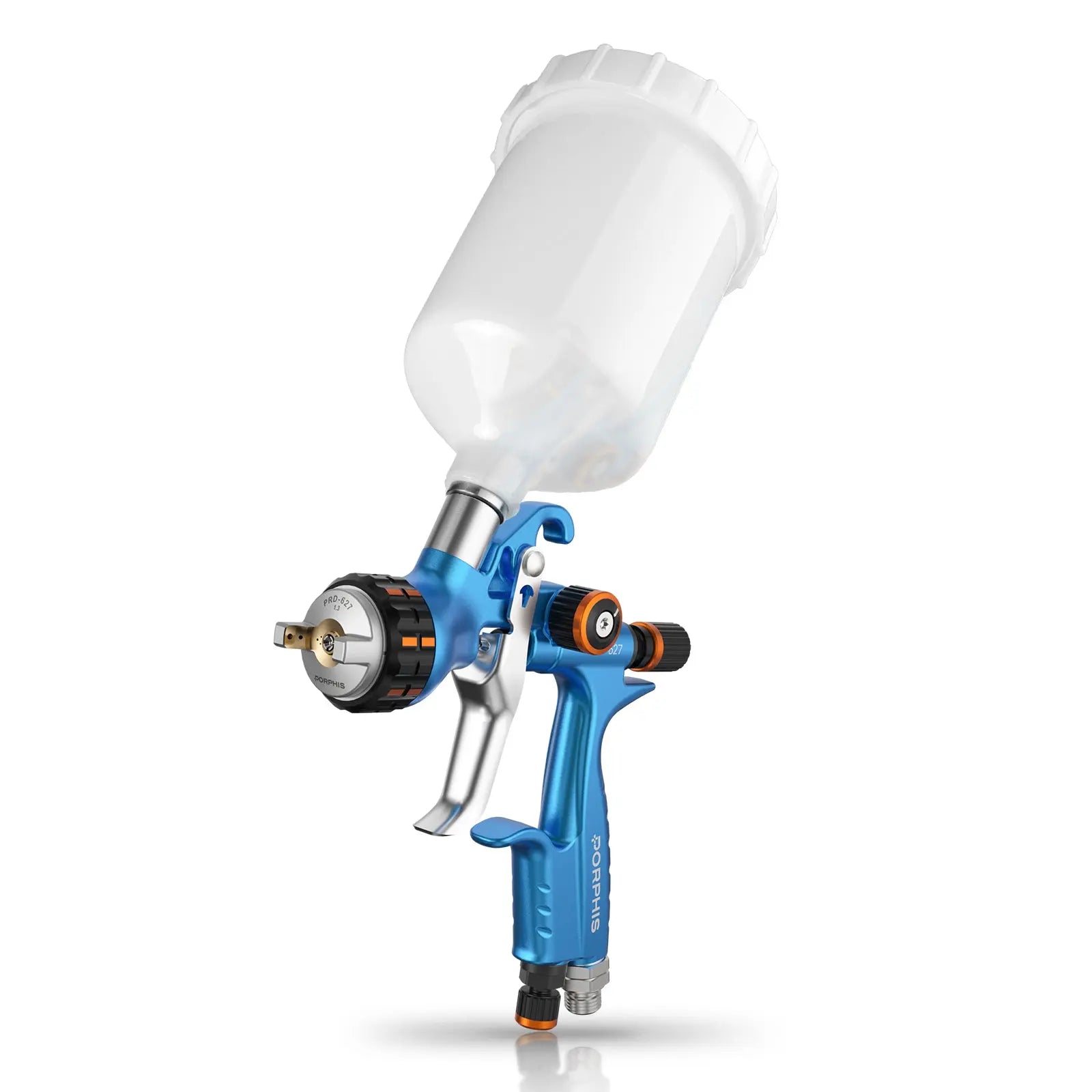


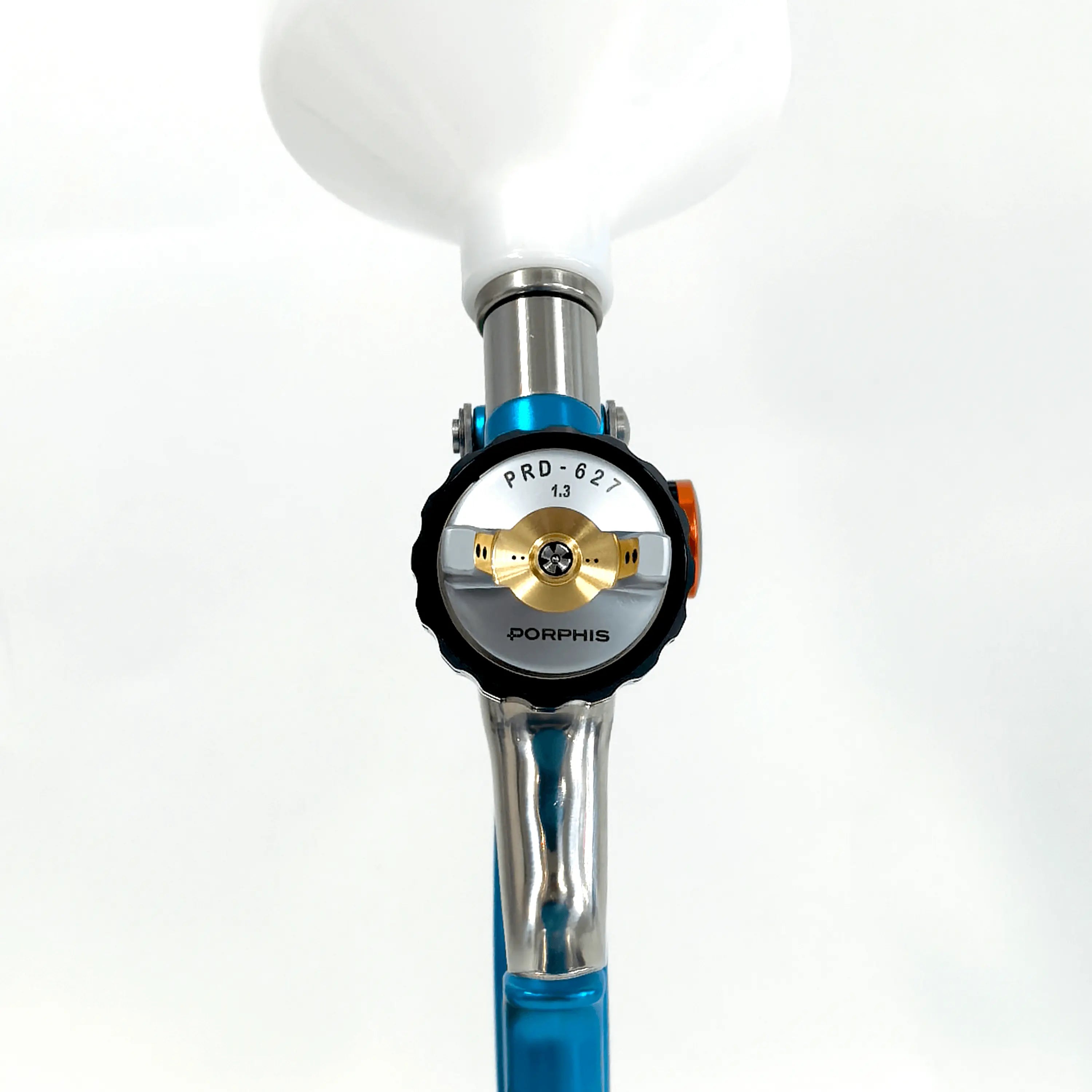
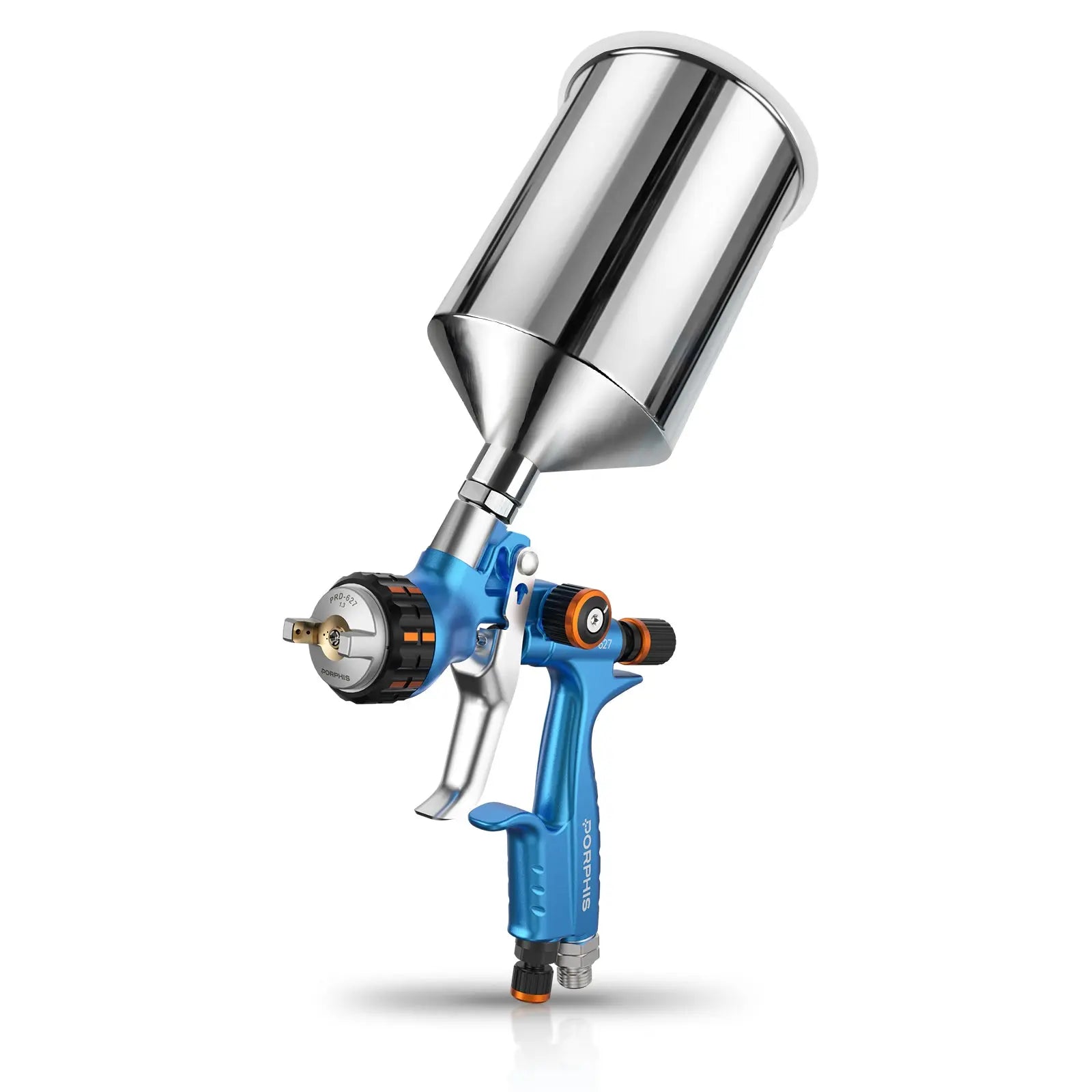
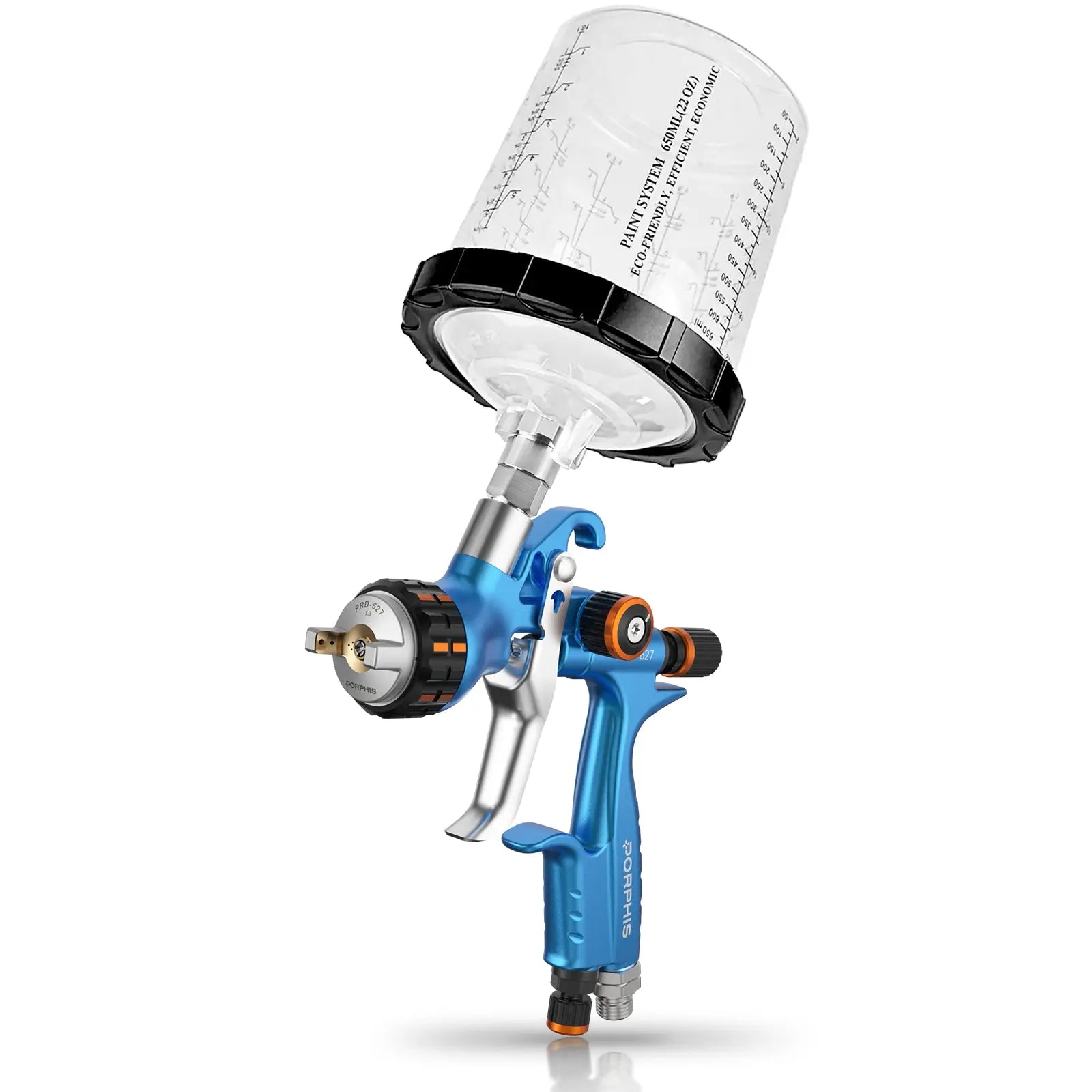


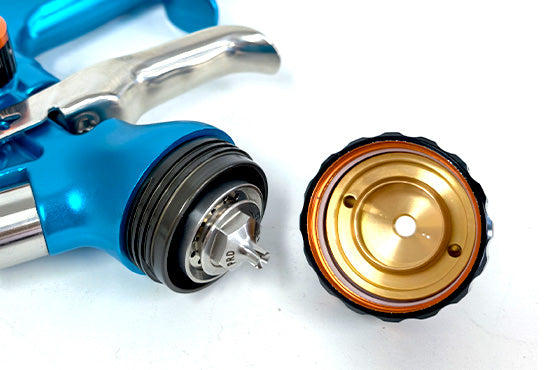
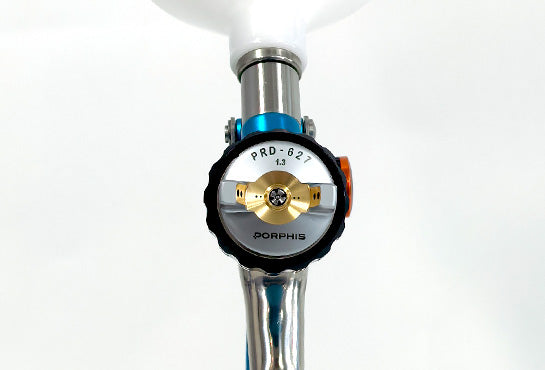
Nozzle

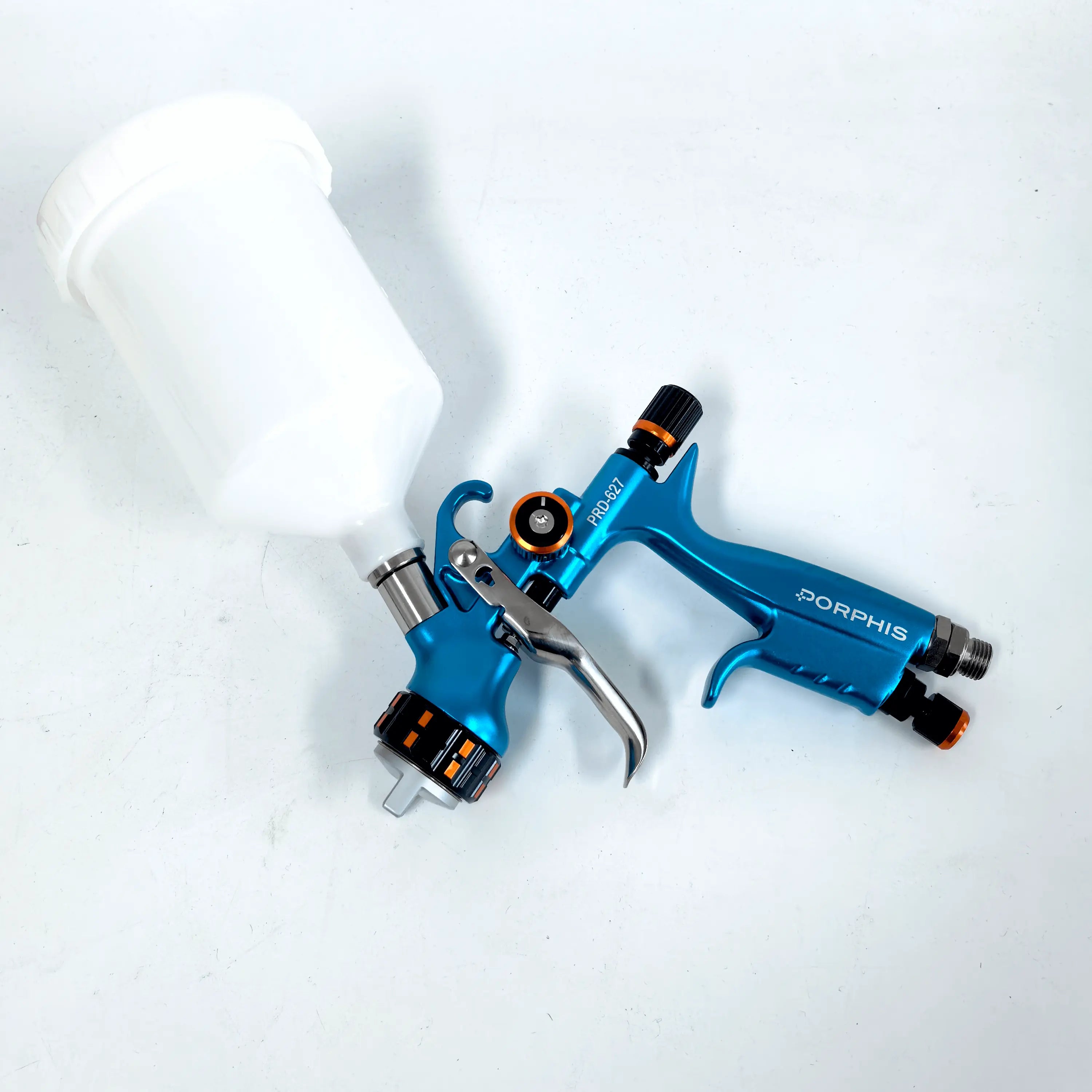
Spray Gun

Design

Spraying Clear Coat

Atomization

Weight

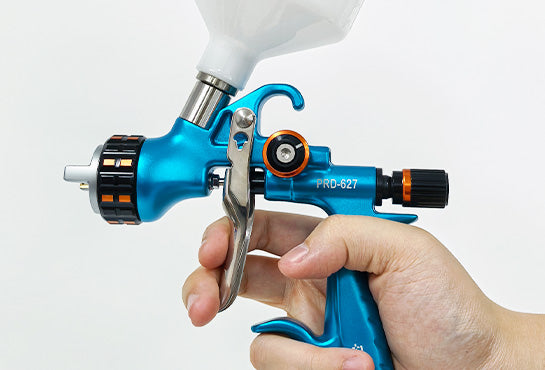
integrated needle valve design

finger design
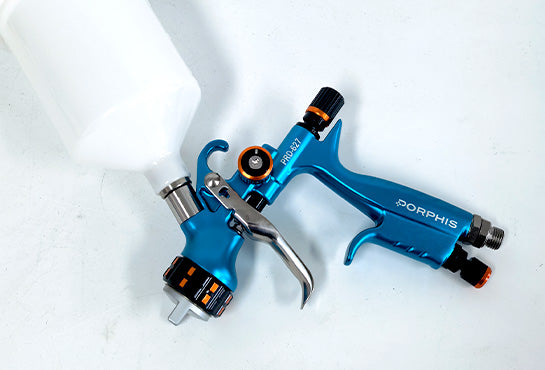
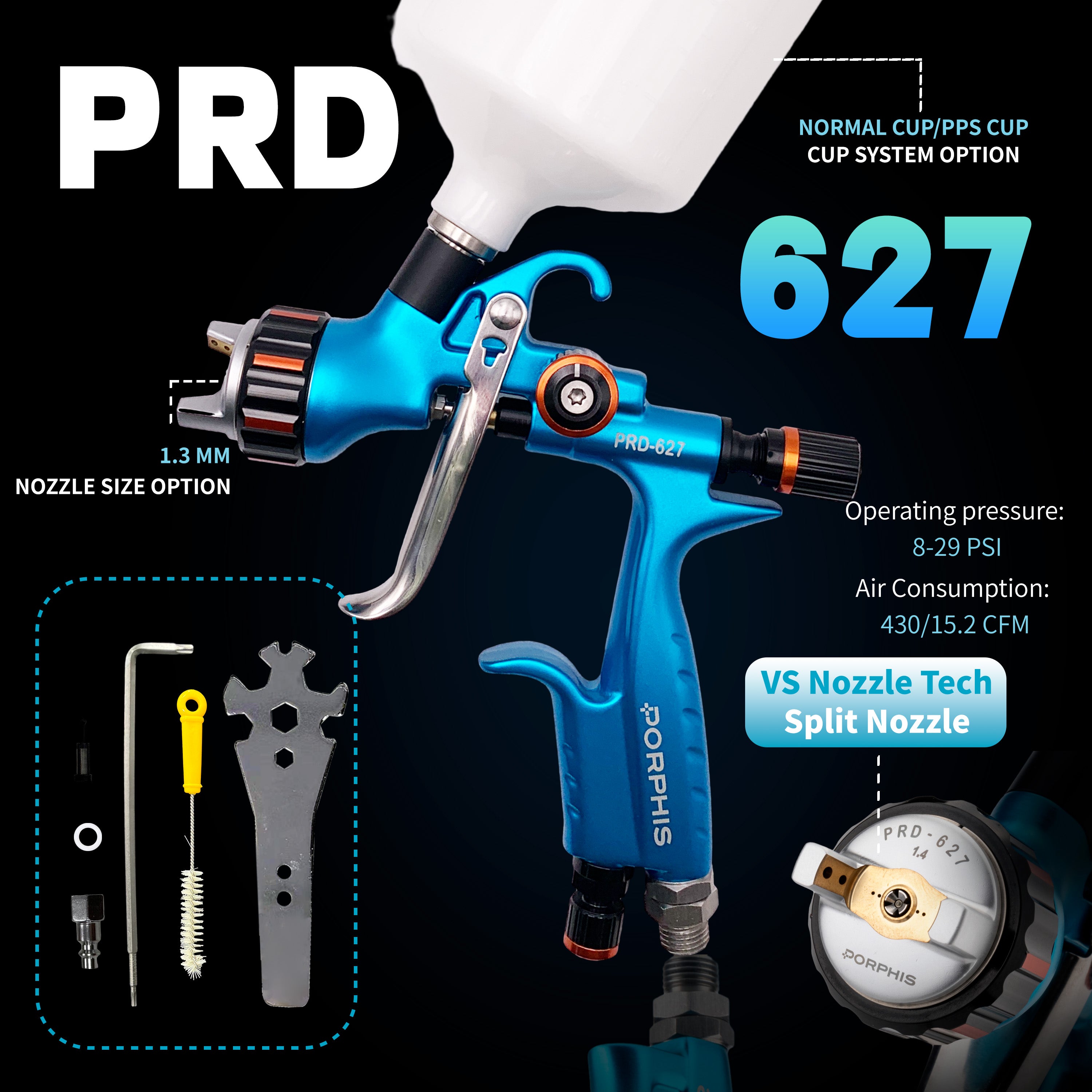
PRD-627 VS Professional Paint Gun
One Integrated Body. Zero Leaks. Split Nozzle Finish That Rivals Guns Twice the Price.
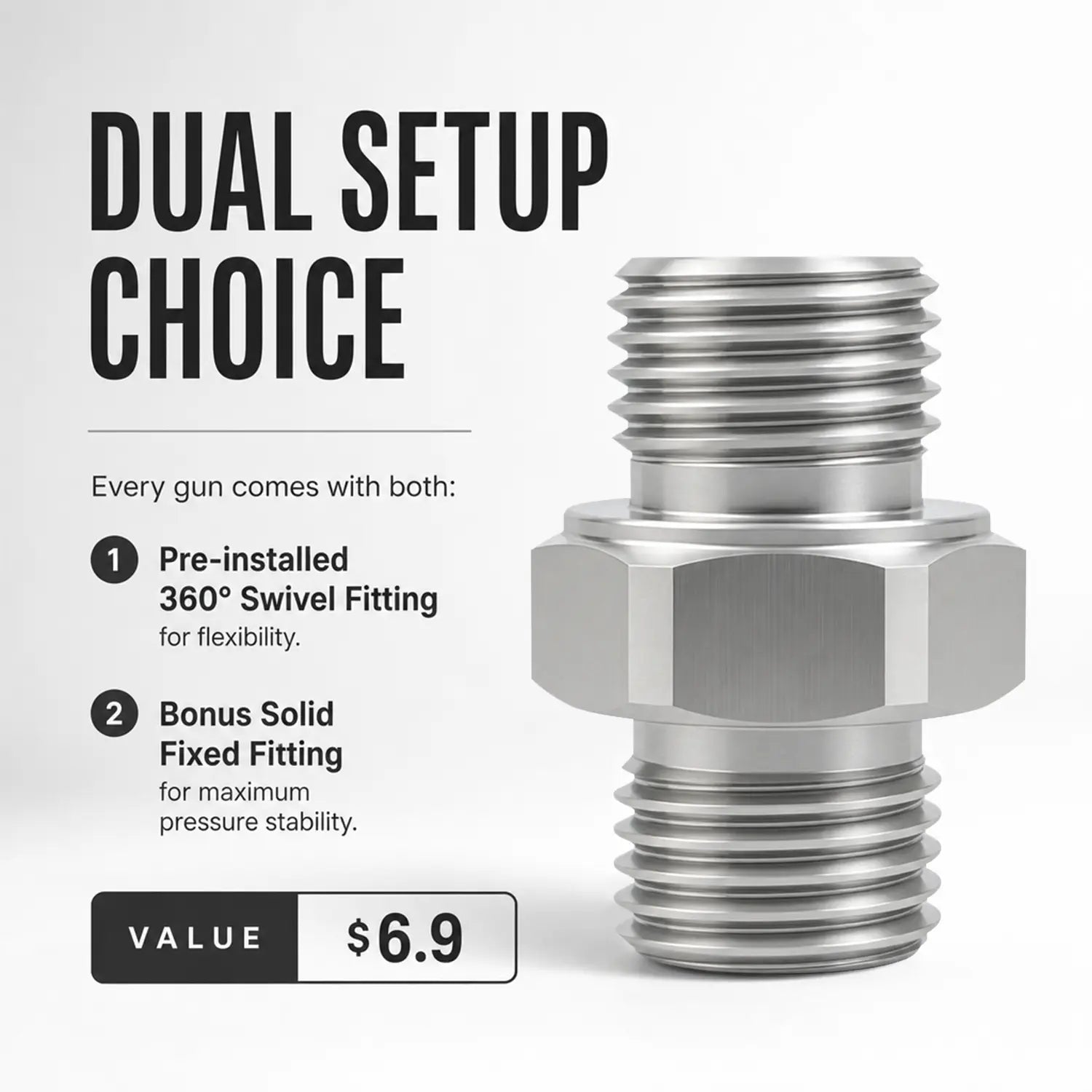
More Accessories
Nozzle
Spray Gun
Design
Spraying Clear Coat
Atomization
Weight
integrated needle valve design
finger design
Halloween Laser Engraving

Use Add to cart to include your selected accessories.
PRD-627 VS Professional Paint Gun
- 1.3mm / Gun Only (No Cup)
- 1.3mm / Aluminum Edition (Alu Cup)
- 1.3mm / Standard (Plastic Cup)
- 1.3mm / Elite System (Disposable Cup)
- 1.3mm / Pro Master (Plastic Box)
If you have any questions, you are always welcome to contact us. We'll get back to you as soon as possible, within 24 hours on weekdays.
-
Shipping Information
Use this text to answer questions in as much detail as possible for your customers.
-
Customer Support
Use this text to answer questions in as much detail as possible for your customers.
-
FAQ’s
Use this text to answer questions in as much detail as possible for your customers.
-
Contact Us
Use this text to answer questions in as much detail as possible for your customers.
QUICK FIT CHECK
Is this the right gun for your work?
Let customers confirm application, coating, air supply, and skill level before they scroll into long product education.
BEST FOR
Automotive clear coat, metallic color, precision refinishing
COATING
Low-to-medium viscosity coatings; verify material sheet
AIR SUPPLY
15.2 CFM sustained airflow required
SKILL LEVEL
Professional / experienced semi-pro
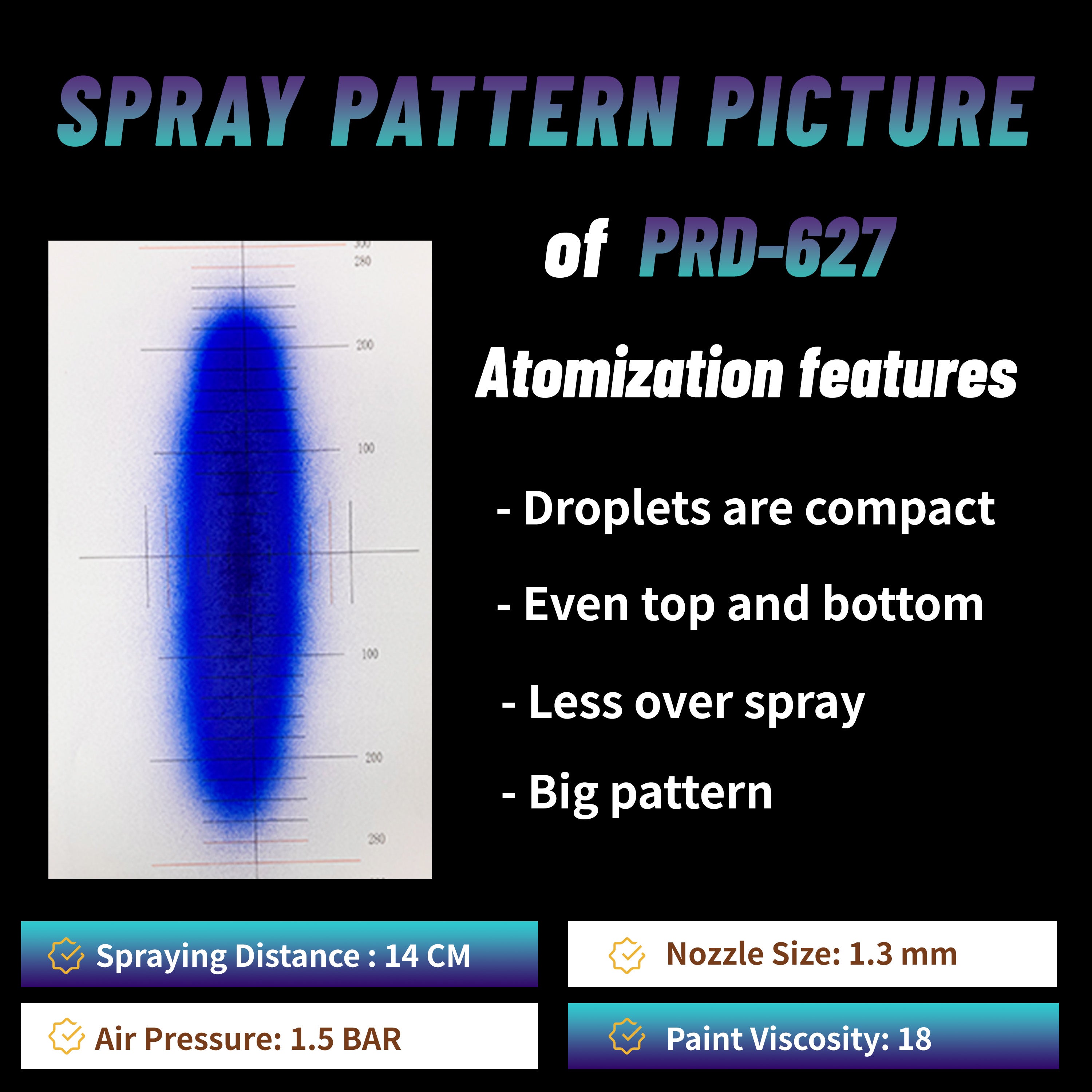
A fan you can read and repeat
Use a real spray-patten sheet with top-to-bottom density, edge shape, and recommended distance clearly marked.
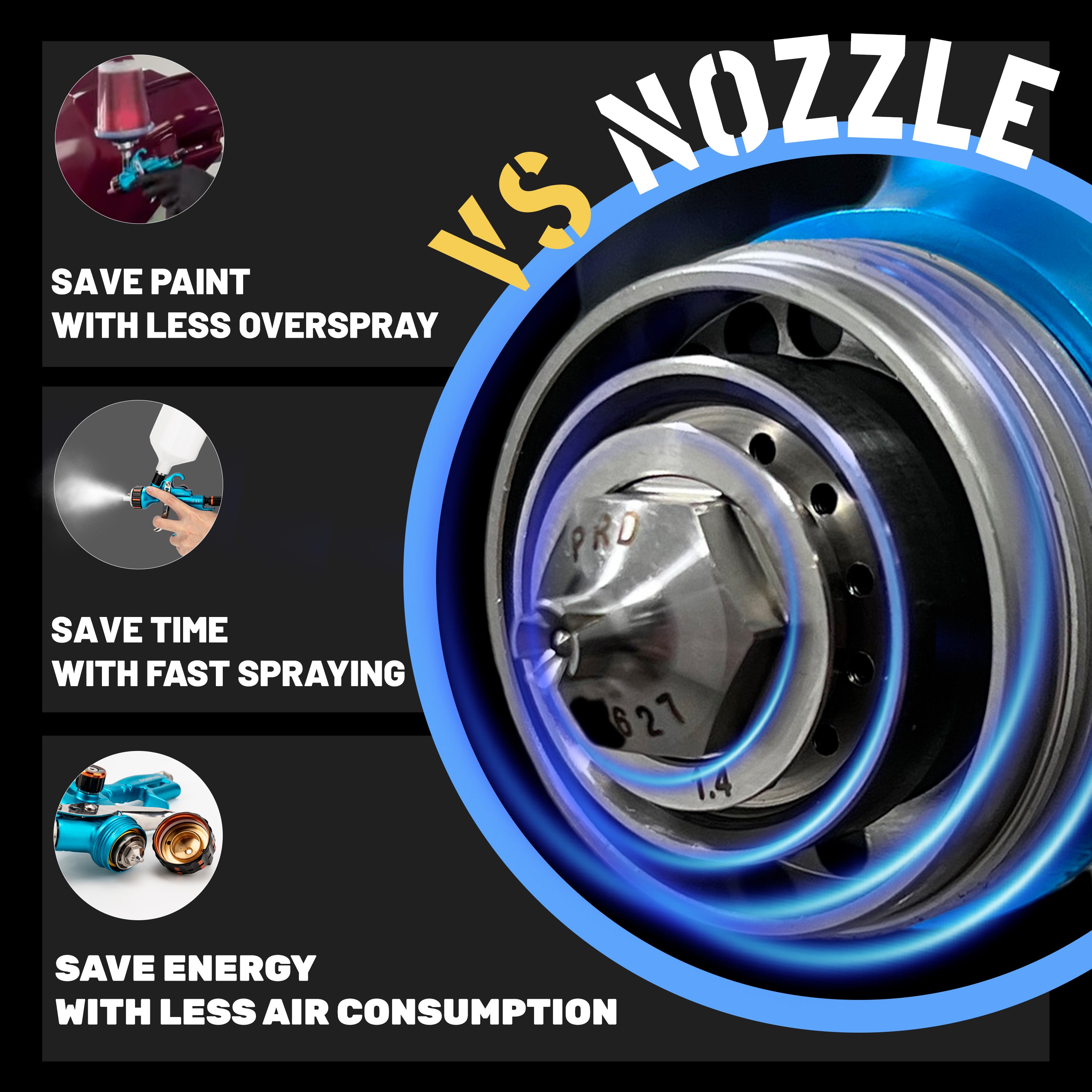
Explain what the nozzle changes in the real job
For PRD-627, show the VS split nozzle and connect it to practical outcomes: fan dconsistency, atomization quality, and coating control. Use one clear diagram, not five abstract claims.
1. What the structure is
2. What changes in the spray
3. When the difference matters
Control, cleaning, and lone-session comfort
control,trigger, handle balance, air connector, and cleaning access. Replace vague durability language with visible construction details.
COMPARE BEFORE YOU BUY
Choose by application - not by price alone
Use PORPHIS internal alternatives to help customers select the right model and reduce wrong-product returns.
1.3mm / Gun Only (No Cup)

1.3mm / Gun Only (No Cup)
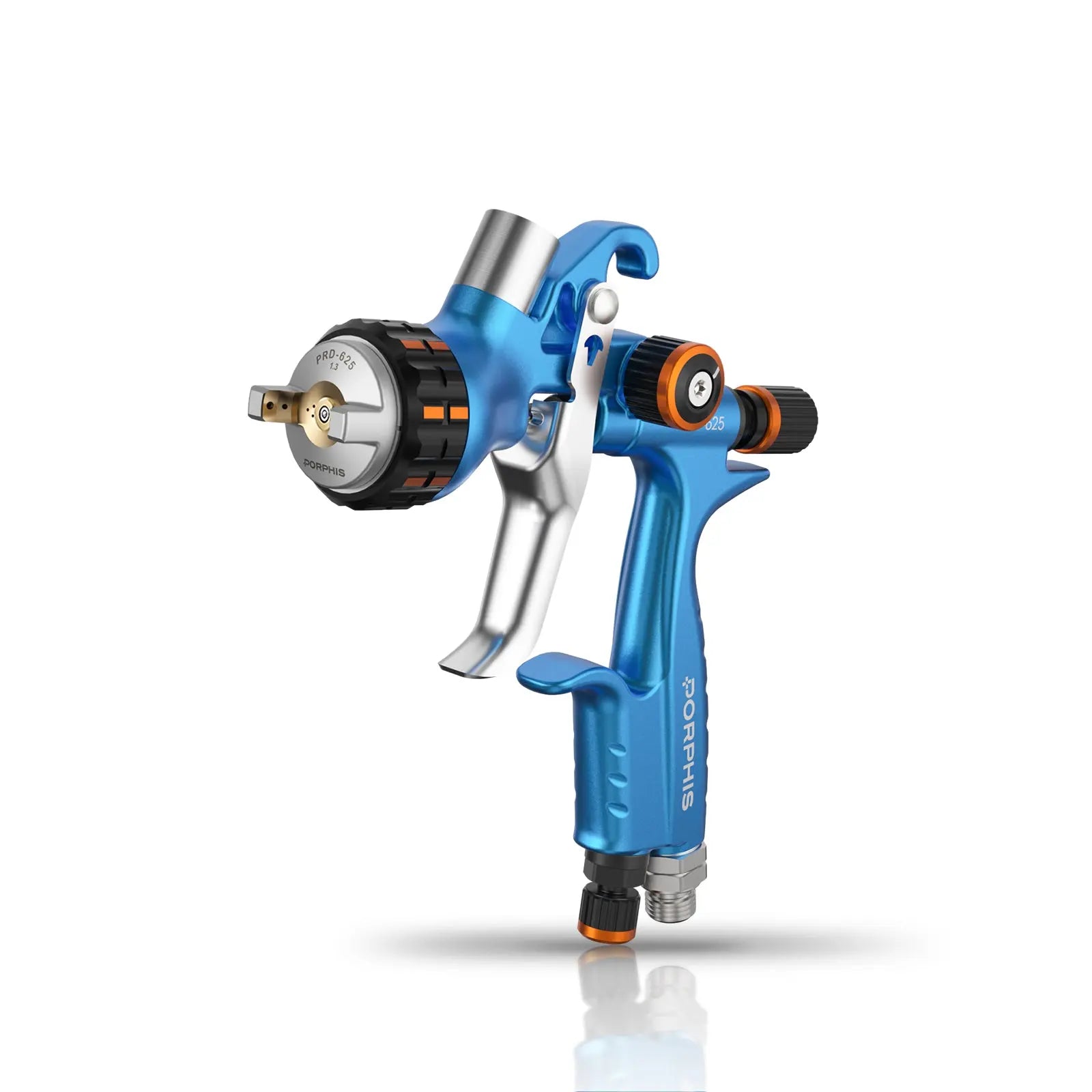
PORPHIS
PRD-625 MP Car Paint Gun1.3mm / Gun Only (No Cup)
1.3mm / Gun Only (No Cup)
1.3mm / Gun Only (No Cup)
PORPHIS
PRD-625 MP Car Paint Gun1.3mm / Gun Only (No Cup)
VS Split
HVLP
MP
Finish control
Low-pressure coverage
Versatile workflow
15.2 CFM
Verify live spec
Verify live spec
Finish quality first
Over spray control first
One-gun versatility
SETUP & COMPATIBILITY
Make the first spray easier
Turn techrical specifications into a clear operating path. Thissection recuces pre-sale questions and improves the first-use exparience.
❶
Confirm air supply
Waoch sustainod CFM, hase regulatar, an inlet thread
❷
Choose cup system
Show plastic, aluminum PPS 1.0/2.0 adapter compatibility
❸
Set pressure and fan
Ginve a safe starting range; adjust with material and test panel.
❹
Test the pattern
Spray a card before the vehicle; check density and edge shape.
Tech Specs
Specification
Materials and Processes
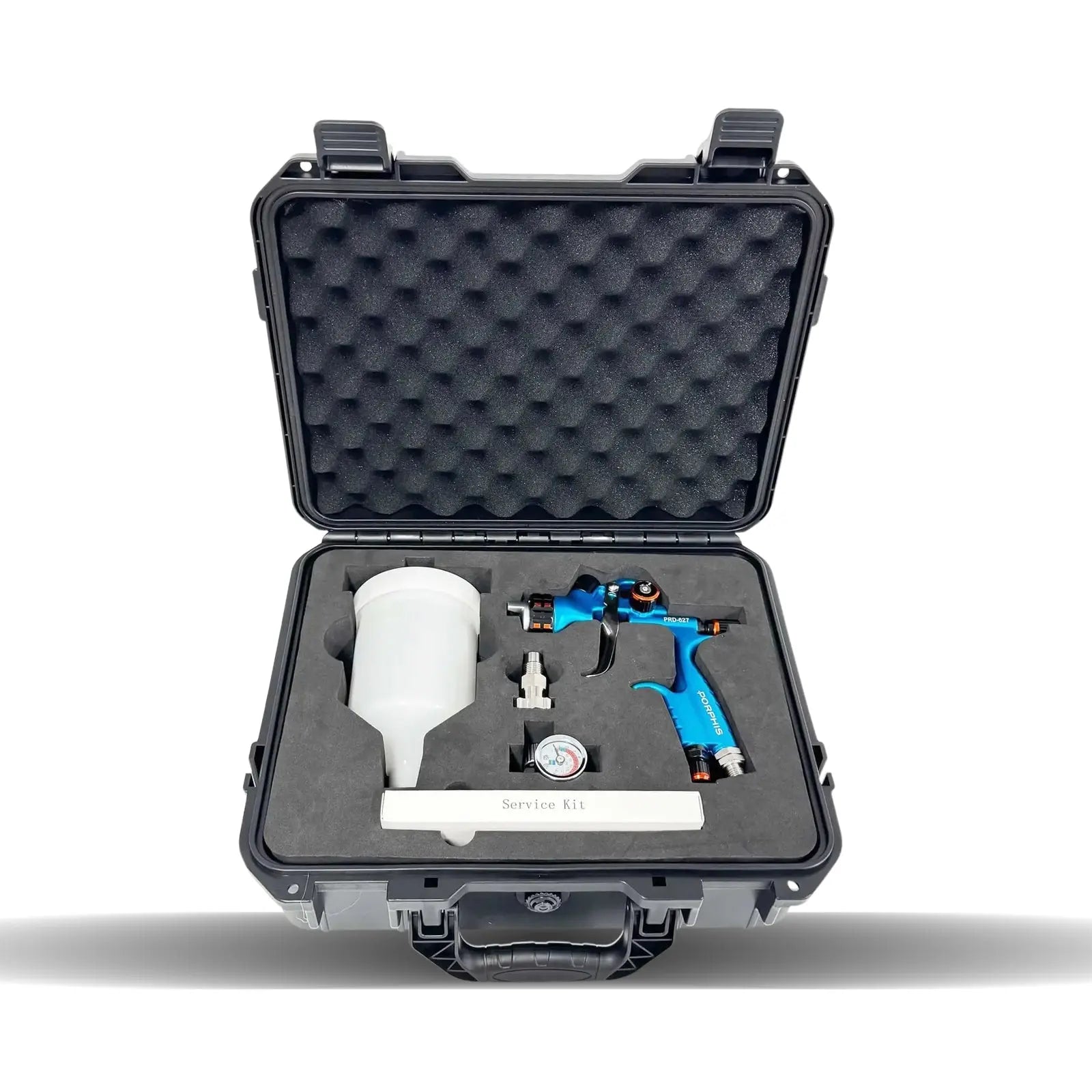
Included in the Box

600ml white cup

Manual

Service kit

Spray gun


Painter Review
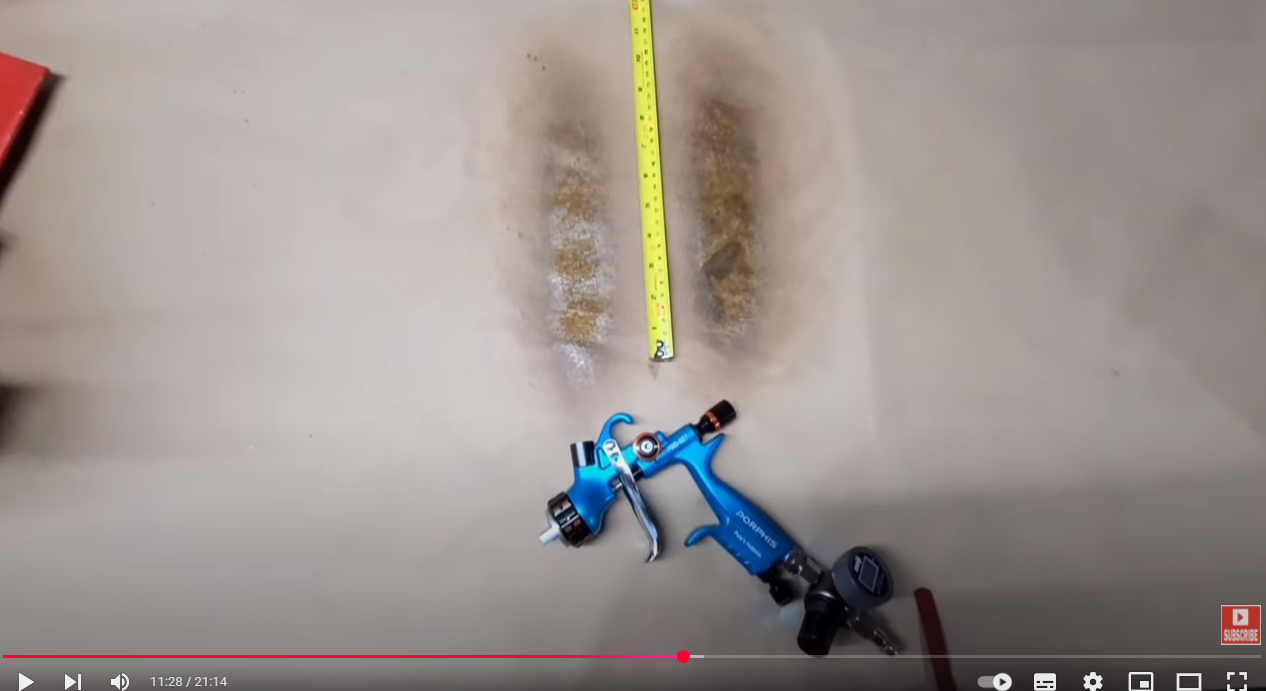

Porphis PRD627 V Tip Spray Gun, As Good As The PRD717 Split Tip? Yamaha Deep Purplish Blue DPB
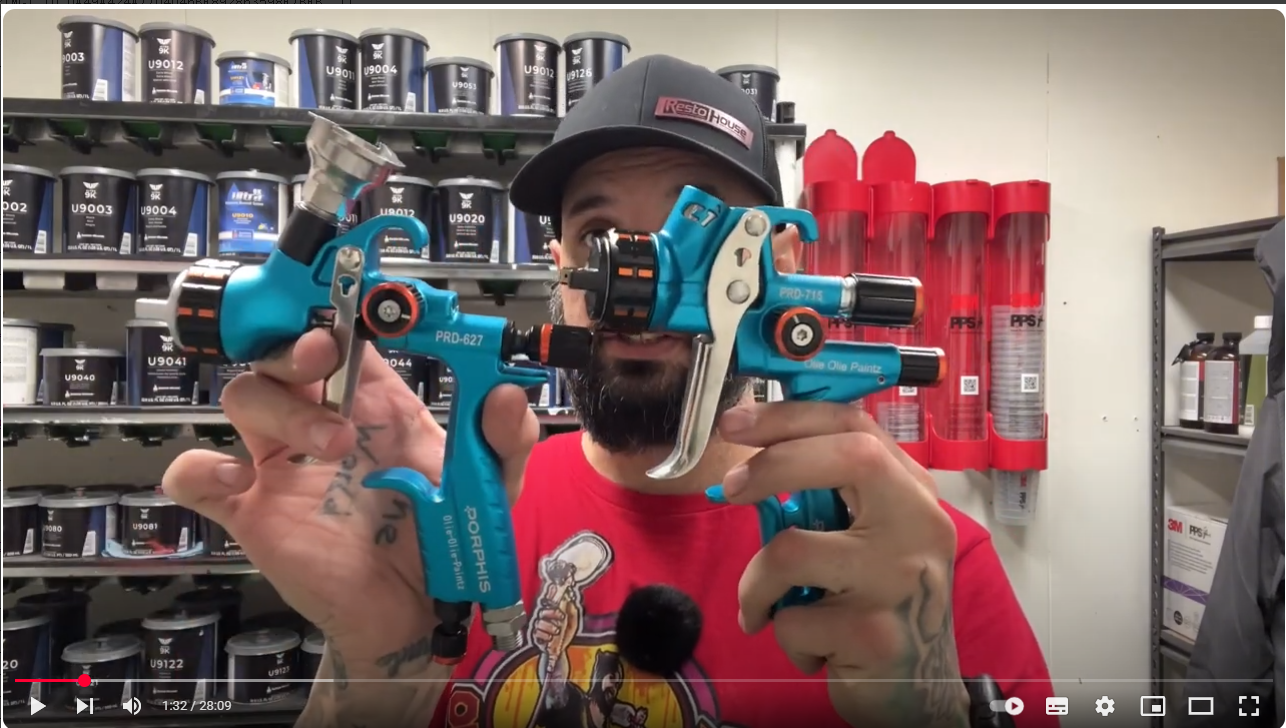
More Porphis Spray guns?!
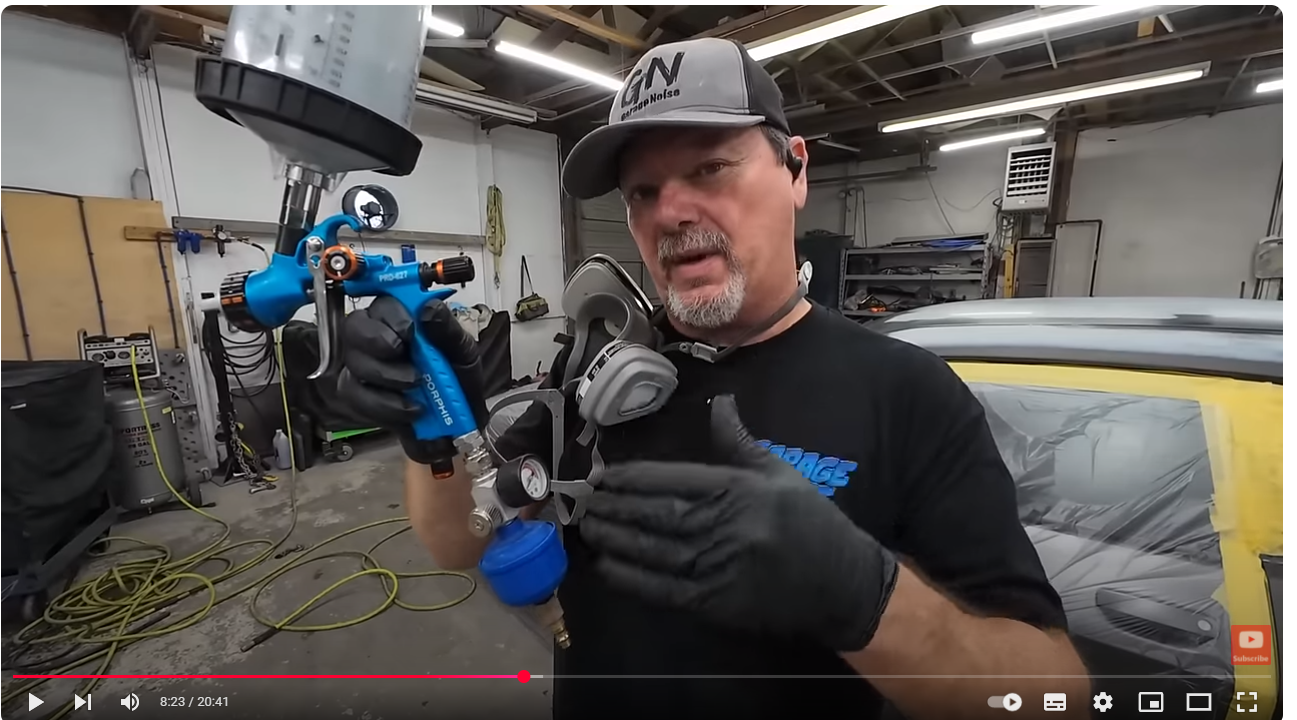
How to Repair & Repaint Your Car Like a Pro | DIY Auto Body and paint tip and tricks
FAQs - PRD-627
Q1: What exactly is an "integrated needle valve" and why does it matter compared to a standard design?
A: In conventional spray guns, the needle and air valve are separate mechanical components — meaning two potential leak points, two wear surfaces, and two things that can go out of alignment over time. The PRD-627's patented integrated needle valve design combines both functions into a single precision-machined unit. The result: a tighter factory seal from day one, less mechanical play as the gun wears in, and a noticeably more consistent trigger response. If you've ever had a gun that started leaking air or dripping paint around the trigger after a few months of use, that's exactly the failure mode this design eliminates.
Q2: The PRD-627 has a Split Nozzle like the PRD-717. Are they the same technology?
A: Both use VS Split Nozzle technology — the same principle of splitting the paint flow through a dual-runner design to improve mixing efficiency and atomization uniformity. The difference is in the overall gun architecture: the PRD-717 is built on the PRD-71 series body with its self-cleaning air cap system, while the PRD-627 pairs the Split Nozzle with the integrated needle valve structure and the patented flow compression nut set unique to the PRD-62 series. The 627 is the right choice if you want Split Nozzle atomization quality in a gun engineered around leak-prevention and sealing performance as primary design priorities.
Q3: I spray metallic and pearl clear coats where any inconsistency in atomization shows up immediately. Can the PRD-627 handle this?
A: Metallic and pearl finishes are unforgiving — uneven droplet distribution shows as mottling or sparkle shift when viewed at different angles. The PRD-627's Split Nozzle technology creates a more uniform droplet size distribution than a conventional single-runner nozzle, which is specifically what metallic and pearl clears need. The air diversion technology ensures consistent top-to-bottom fan coverage, eliminating the heavy-center/thin-edge problem that causes color variation across a panel. Painters using the 627 on Yamaha Deep Purplish Blue and similar demanding metallics have reported finish quality that holds up under direct light inspection.
Q4: The patented index finger rest — is that a real ergonomic difference or just marketing?
A: It's real, and it matters most in two specific situations: all-day production spraying and awkward-angle work (rocker panels, tight interiors). The index finger rest redistributes grip pressure away from your trigger finger, which is the first finger to fatigue during extended sessions. After 4–5 hours of continuous spraying, the difference between a gun with a finger rest and one without is measurable in hand steadiness — and hand steadiness directly affects how consistent your spray distance and speed are in the final hour of a shift. If you spray casually once a month, you won't notice. If you spray professionally every day, you will.
Q5: What viscosity range does the PRD-627 handle? I sometimes spray thicker 2K clears.
A: The PRD-627 operates at 1.3–1.8 bar inlet pressure and is optimized for clear coat and top coat viscosities. For standard automotive 2K clears thinned to manufacturer specification (typically 14–18 seconds in a DIN4 cup), the Split Nozzle handles the material without clogging risk. For thicker unmixed 2K clear or high-solid clears that require minimal thinning, start at 1.5 bar and increase incrementally. The VS nozzle runner design specifically reduces clogging risk with higher-viscosity materials compared to conventional single-passage nozzles — this is one of its core engineering advantages.
Q6: How does the patented flow compression nut set improve sealing in practice?
A: The flow compression nut set creates a mechanically locked fluid seal between the nozzle assembly and the gun body. In standard guns, the nozzle is threaded on and relies on torque alone to maintain the seal — vibration and thermal cycling during use can cause micro-loosening that leads to paint seeping around the nozzle threads. The PRD-627's compression nut system adds a secondary mechanical locking action that maintains seal integrity regardless of thermal expansion or vibration. In practice: no paint weeping around the nozzle, no air leaks at the fluid tip junction, and a consistent spray pattern that doesn't drift as the gun heats up during a long session.
Q7: After 14 durability tests, what does the PRD-627's build quality actually mean for my daily shop use?
A: The 14-test PRD durability standard covers trigger cycle life, needle actuation wear, seal compression fatigue, corrosion resistance of fluid-path components, and drop/impact resistance. In practical terms: the PRD-627 is engineered for daily professional use across automotive, furniture, and industrial coating environments — not occasional hobbyist use. Key components use corrosion-resistant alloys, and the modular construction means individual worn parts are replaceable through the PRD-62 series repair kit rather than requiring full gun replacement. For a professional running this gun 5 days a week, the design intent is years of service, not months.


Complete Your Master Setup
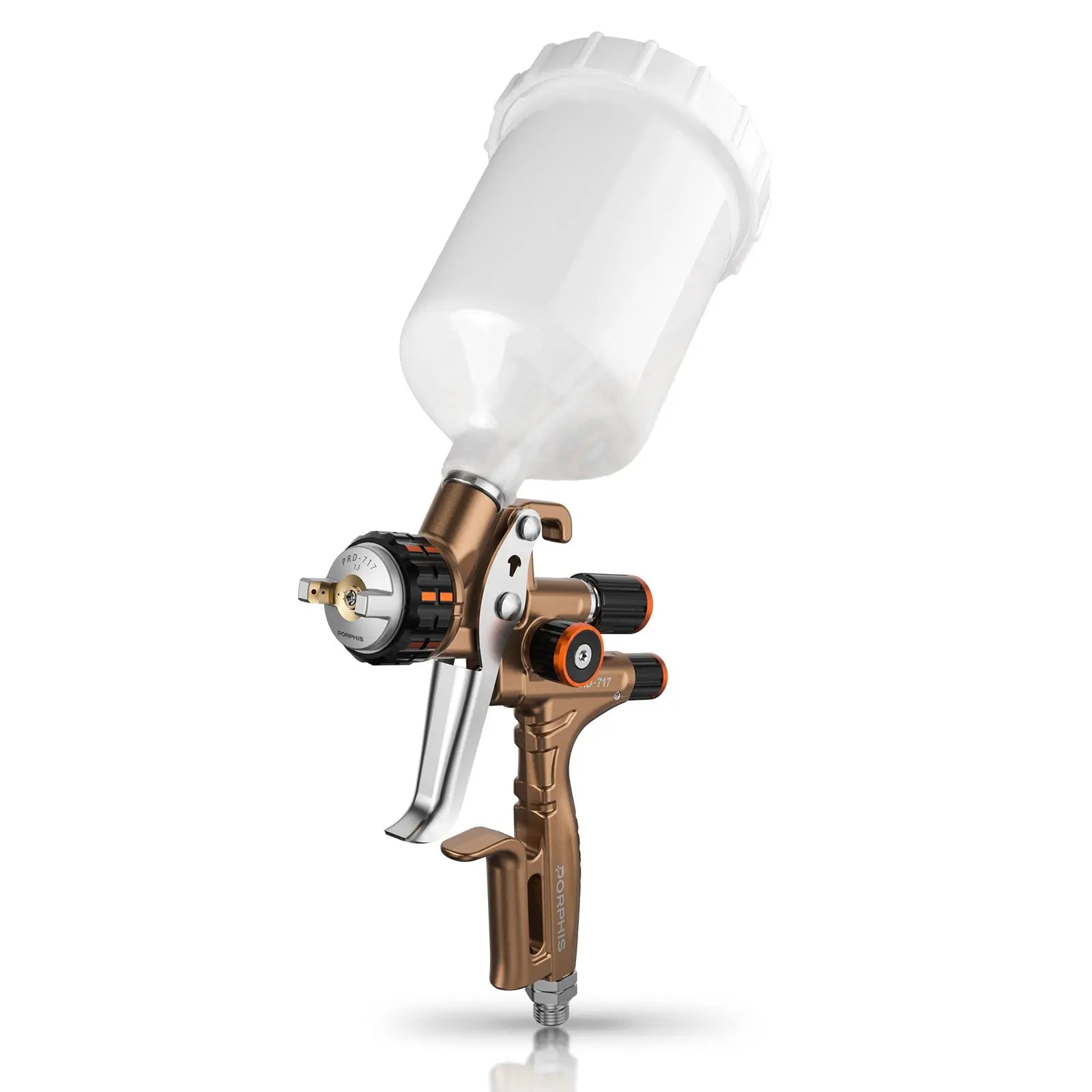
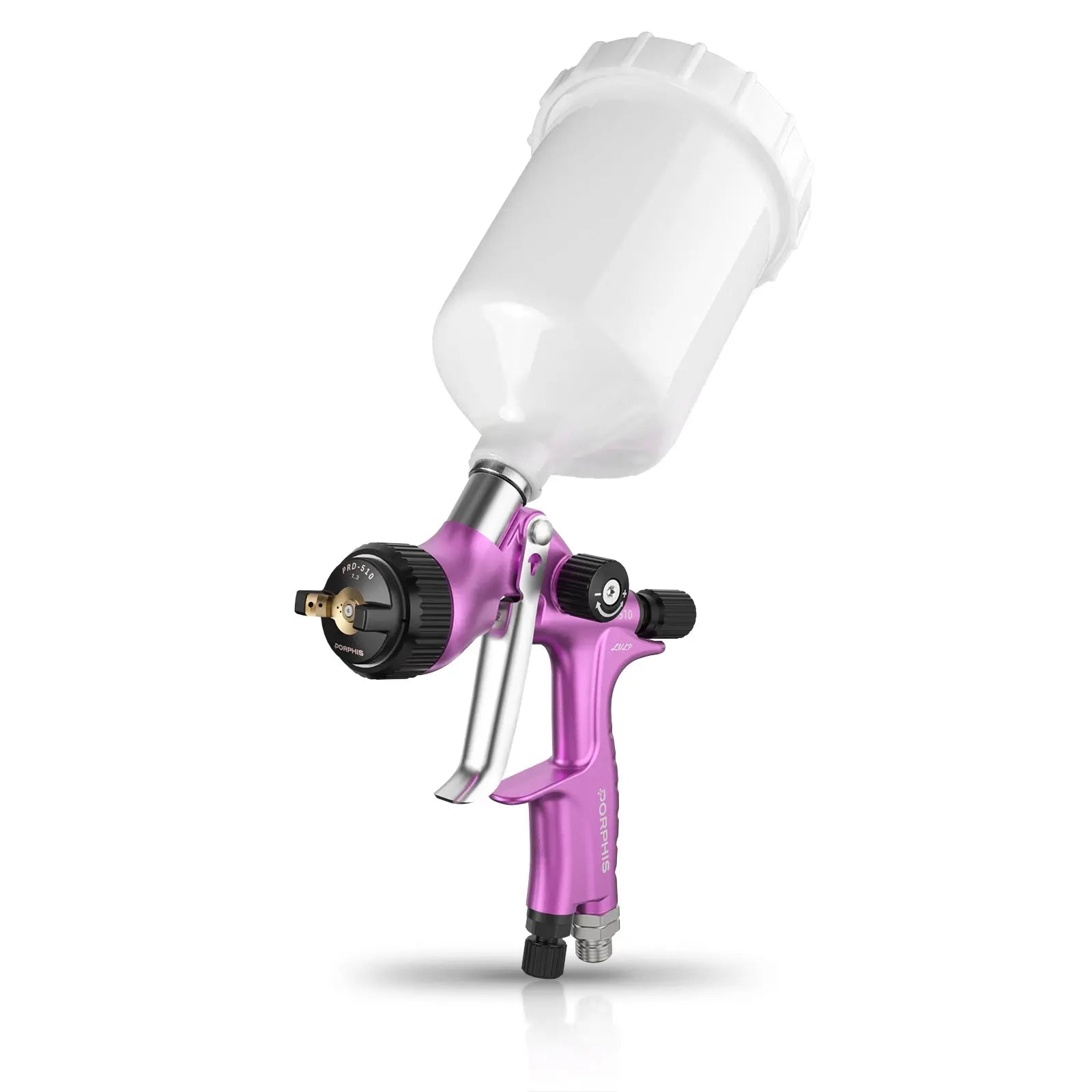
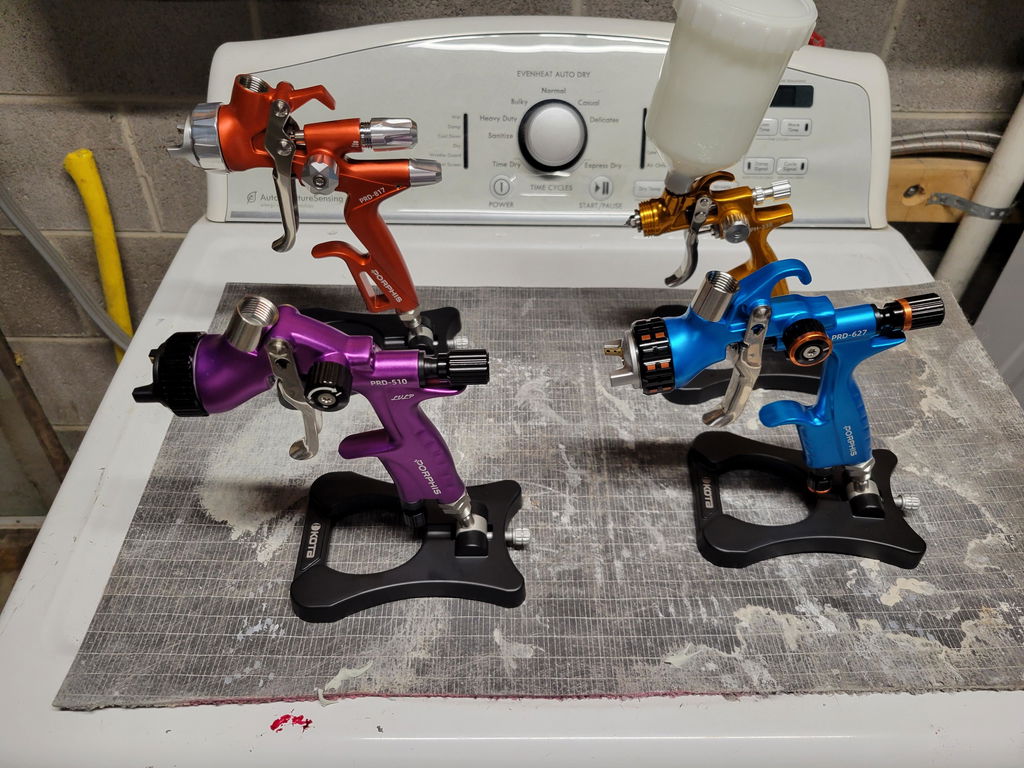
Haven't used it yet, but not at all concerned because when I need it I know it's going to be fine. I currently have three 338's a 817 a 627 and a 510. Porphis is changing the game, keep them coming
Thank you so much, Howard! Your continued support means a lot to us. We’re thrilled to hear that you trust PORPHIS across your growing collection, and we’re excited to keep bringing you more great tools. Happy spraying!
My 7th porphis gun and absolutely love it
Thanks, Glenn! 7th gun – that’s incredible. We’re honored to have you in the PORPHIS family! 🙌